 Free shipping on orders over £29,85
  Shipping Tracking!


 Google
 Facebook
How do you make resin for a pool?
Step-by-step advice for reliable pool resin results

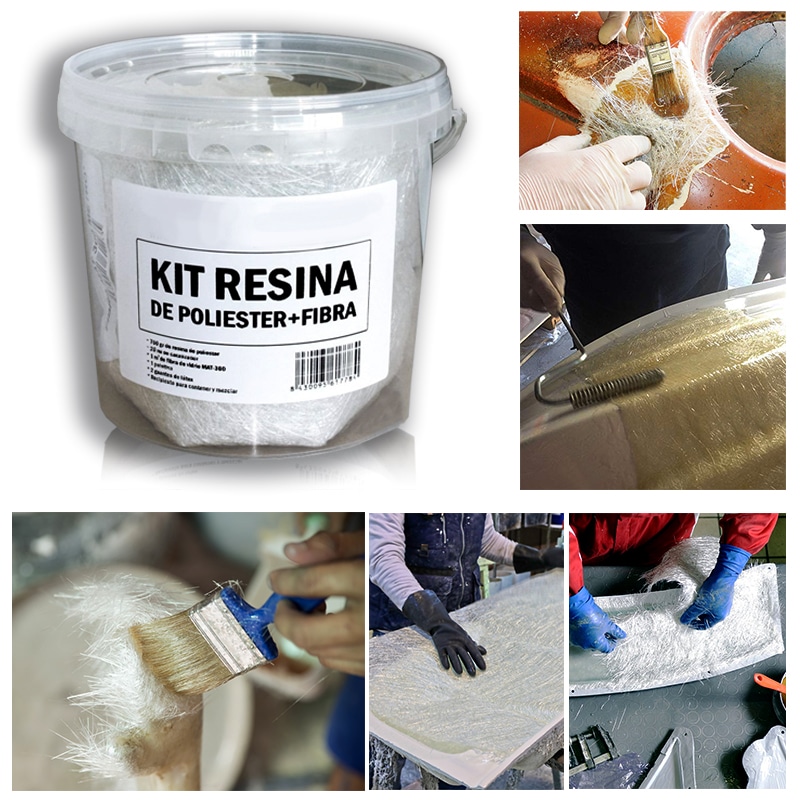
Creating a reliable, waterproof resin layer for a swimming pool is essential for maintaining its appearance, integrity, and longevity. Whether you’re repairing structural cracks or adding decorative edging, the correct application ensures your pool remains durable and resistant to harsh weather and chemicals. This guide takes you through each step to help you achieve professional, lasting results.
What You’ll Need
- Resin Fibreglass Repair Kit – Complete Polyester Resin and Hardener Set: For structural repairs and waterproof bonding in pool shells
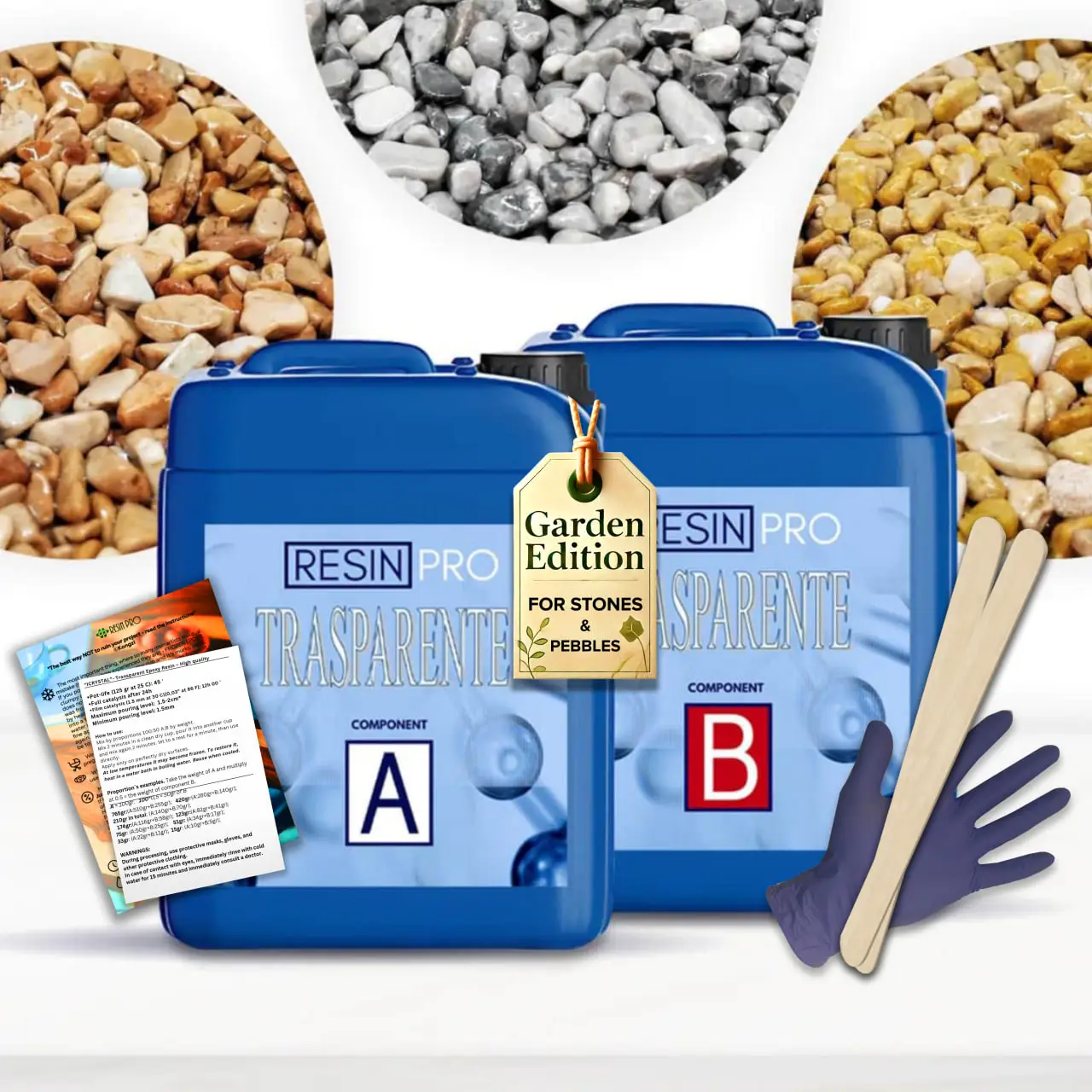
- “Trasparente” – Epoxy Binder for Coloured Pebbles and Grits: For clear, decorative finishes with aggregates around pools
- “Flowstone” – Complete Permeable Floor Kit with Pebbles and Resin: For creating draining, anti-slip, decorative pool surrounds
- “Trasparente” – Multipurpose Clear Epoxy Resin for Casting – Up to 2cm: For clear, protective coatings or minor pool features
- Clean cloths and scrubbing brushes
- Mixing containers and sticks
- Protective gloves and goggles
- Measuring scales (for accurate resin-to-hardener ratios)
- Application brush or roller
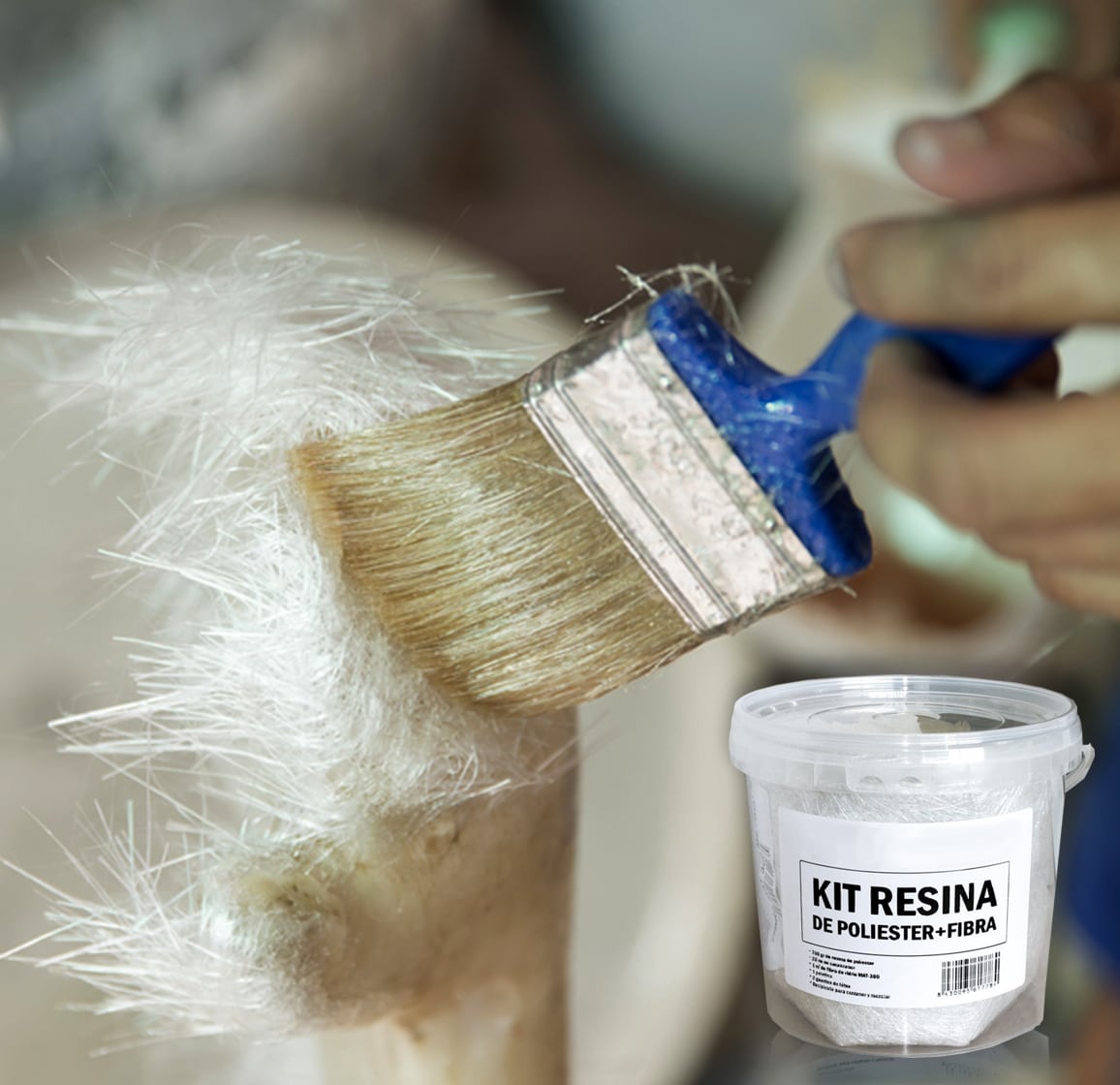
Close-up Mixing and Application
Visualise correct mixing and spreading: Carefully measure, mix and apply resin for an even, bubble-free finish. Focus on small batches and thorough stirring.
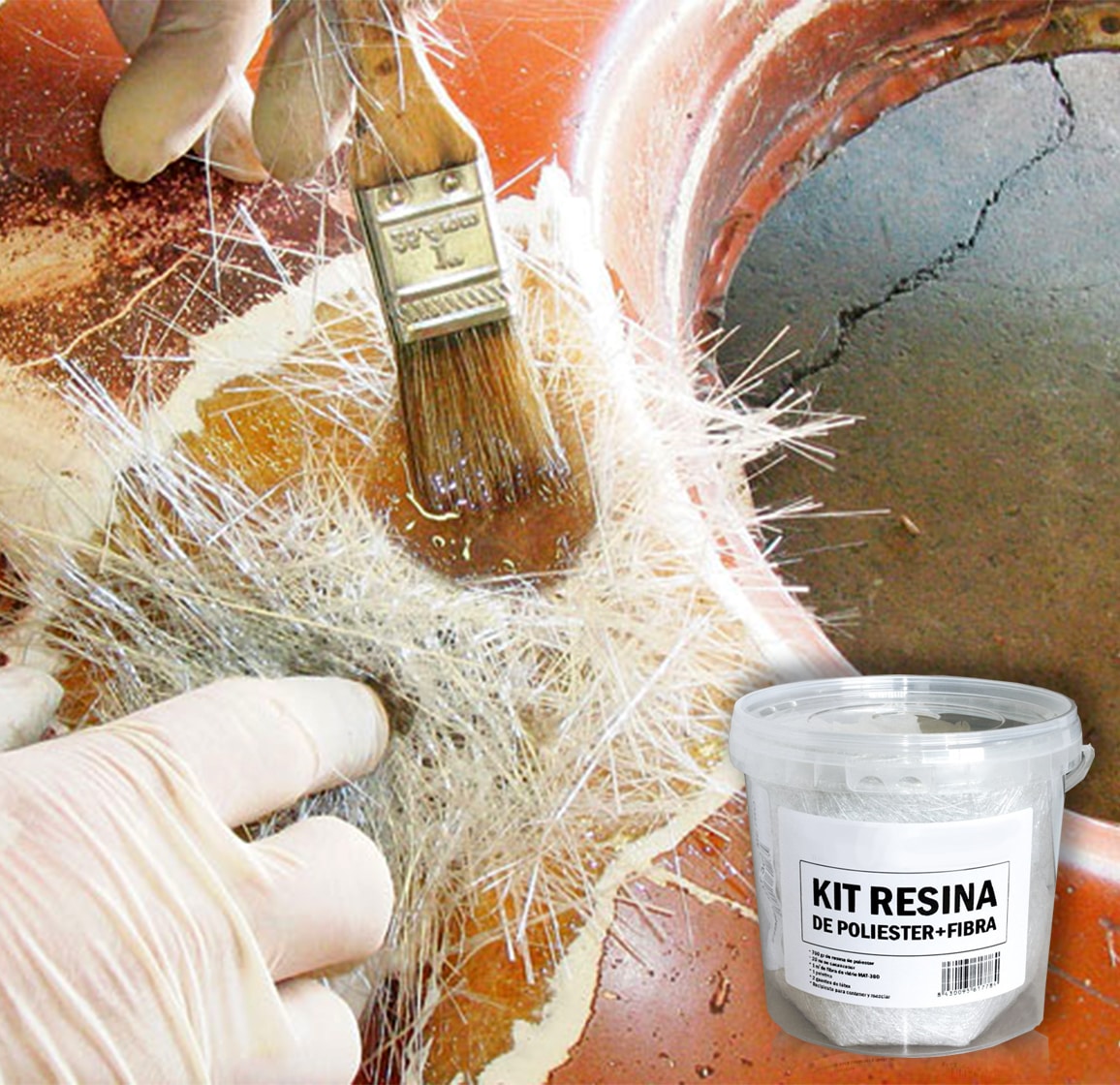
Step 1: Prepare the Pool Surface
Start by ensuring the pool surface is completely clean and free from debris, oils, and old coatings. Use a strong scrubbing brush with water and, if needed, a mild detergent. Pay close attention to cracks, chips, or rough spots—these must be cleaned out thoroughly. Rinse well and let the surface dry fully before the next step, as any moisture can compromise adhesion and curing.
Step 2: Mix the Resin and Hardener Carefully
Accurate mixing is crucial. Follow the ratio instructions provided with your chosen product, measuring both the resin and hardener precisely. For structural repairs, the Resin Fibreglass Repair Kit – Complete Polyester Resin and Hardener Set provides clear guidance for combining resin, hardener, and fibreglass mat. Mix slowly, scraping the sides and bottom of the container to ensure an even blend and avoid introducing bubbles, as these can weaken the cured product.
Only mix as much as you can apply within the resin’s working time. Excess material may cure prematurely and become unusable.
Step 3: Apply the Resin in Thin, Even Layers
Once mixed, apply the resin evenly using a brush or roller. For filling cracks or replacing structural sections, embed the supplied fibreglass mat into the wet resin as directed by your chosen kit, pressing out air bubbles and ensuring complete saturation for maximum strength. If you’re adding decorative details or creating a pool surround, products like the “Trasparente” – Epoxy Binder for Coloured Pebbles and Grits allow you to mix resin with decorative stones before trowelling into place for a hardwearing, attractive finish.
Apply the resin in thin, even layers to achieve the best results. Overly thick applications may cause poor curing, bubbling, or overheating problems.
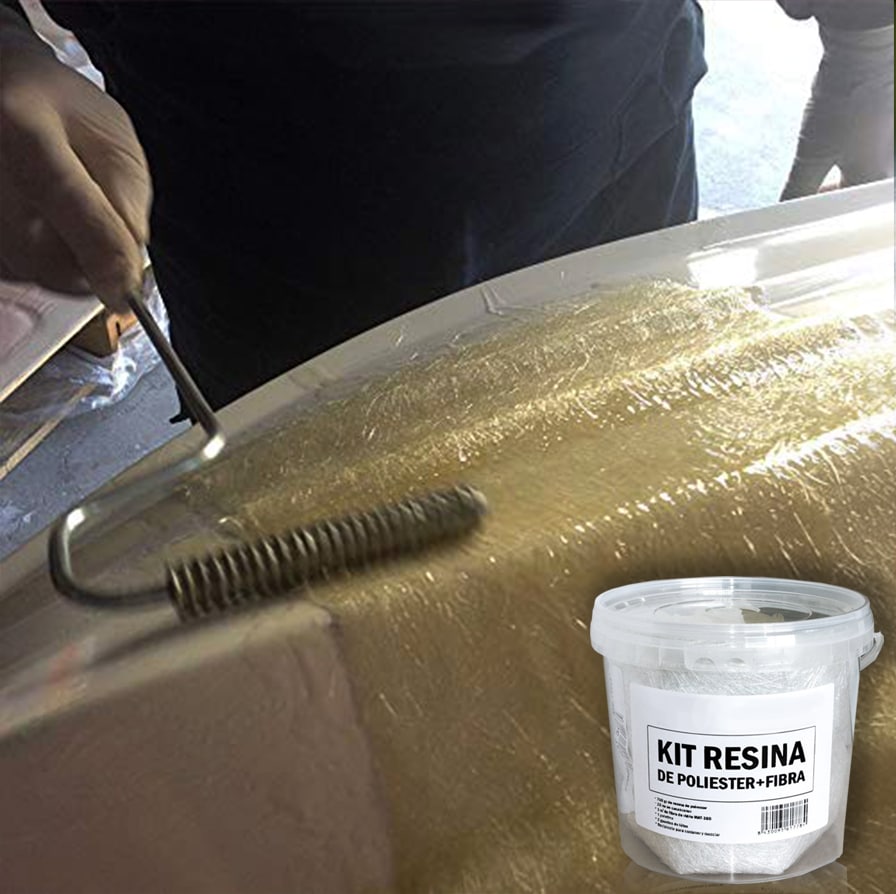
Step 4: Allow Full Curing Before Exposing to Water
After application, let the resin cure fully as per product instructions. This is vital for waterproofing and mechanical integrity. Avoid contact with water or pool chemicals until the resin is completely hardened. Typical cure times depend on the resin type and environmental conditions, but patience at this stage prevents premature failures and rework.
Allow full curing before exposing to water to maximise durability and finish quality.
Step 5: Inspect and Maintain Your Resin-Coated Pool
Once cured, thoroughly inspect the resin surface for uniformity, adhesion, and any missed spots. Promptly address issues by lightly sanding and reapplying a small amount of resin where needed. For ongoing maintenance, regularly clean the resin coating with a soft brush and gentle detergent. Avoid abrasive tools that could scratch or damage the finish.
Tips and Common Mistakes
Always check temperature and humidity before starting, as extreme conditions can affect resin workability and cure. Wear protective gear at all stages to guard against skin or eye contact. Over-mixing or rushing application can cause bubbles or uneven surfaces, while improper ratios may result in incomplete curing or a sticky finish.
Choose the right resin for your pool project: structural repairs call for polyester resin kits, while decorative work may benefit from clear epoxy binders or dedicated pebble systems.
Before & After — Pool Resin Transformations
See the transformation: A well-applied resin system revives tired pools and their surrounds, creating a watertight, durable, and attractive finish tailored to your specific needs.
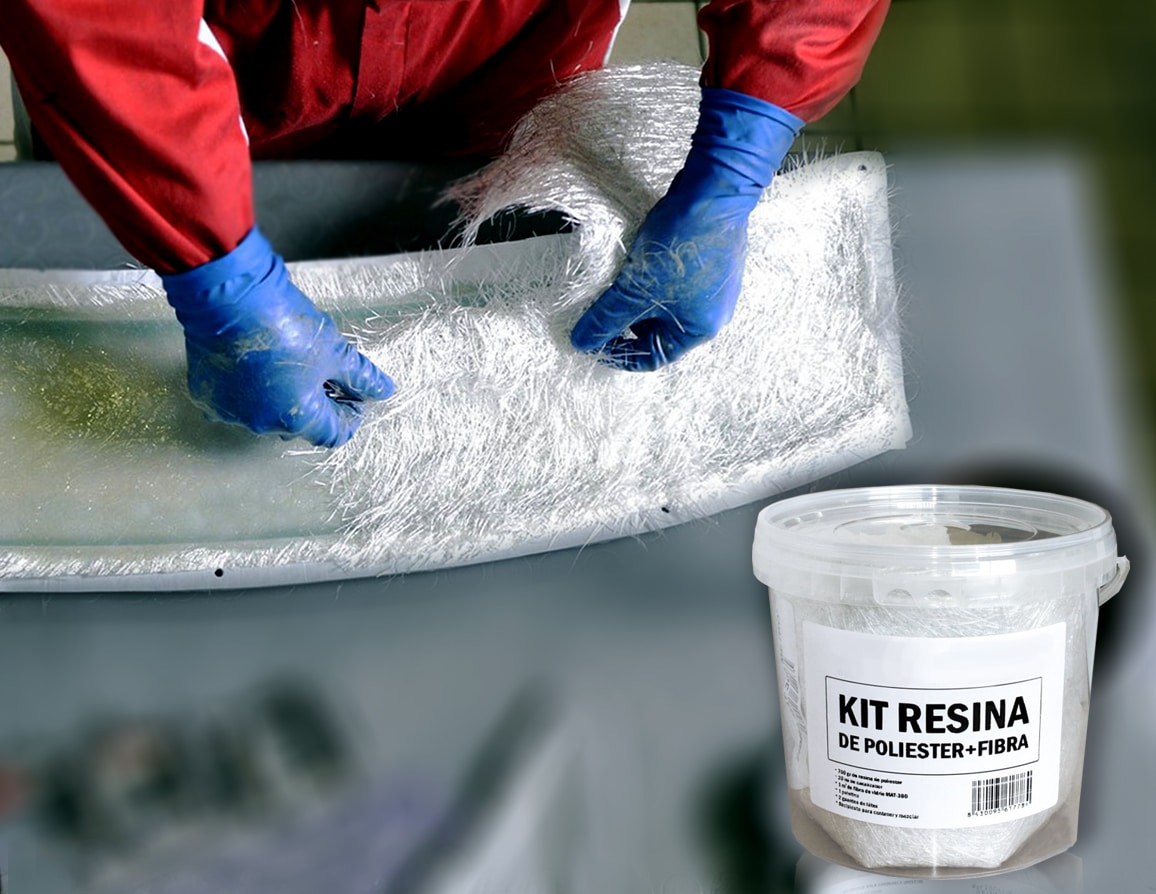
- Resin Fibreglass Repair Kit – Complete Polyester Resin and Hardener SetThis Resin Fibreglass Repair Kit provides a complete polyester resin and hardener set suitable for repairs involving pools and related uses.
- "Trasparente" – Epoxy Binder for Coloured Pebbles and GritsPrice range: £33.45 through £397.95"Trasparente" epoxy binder is designed for clear, UV-stable finishes on coloured pebbles and grits, suited to paths and permeable floors.
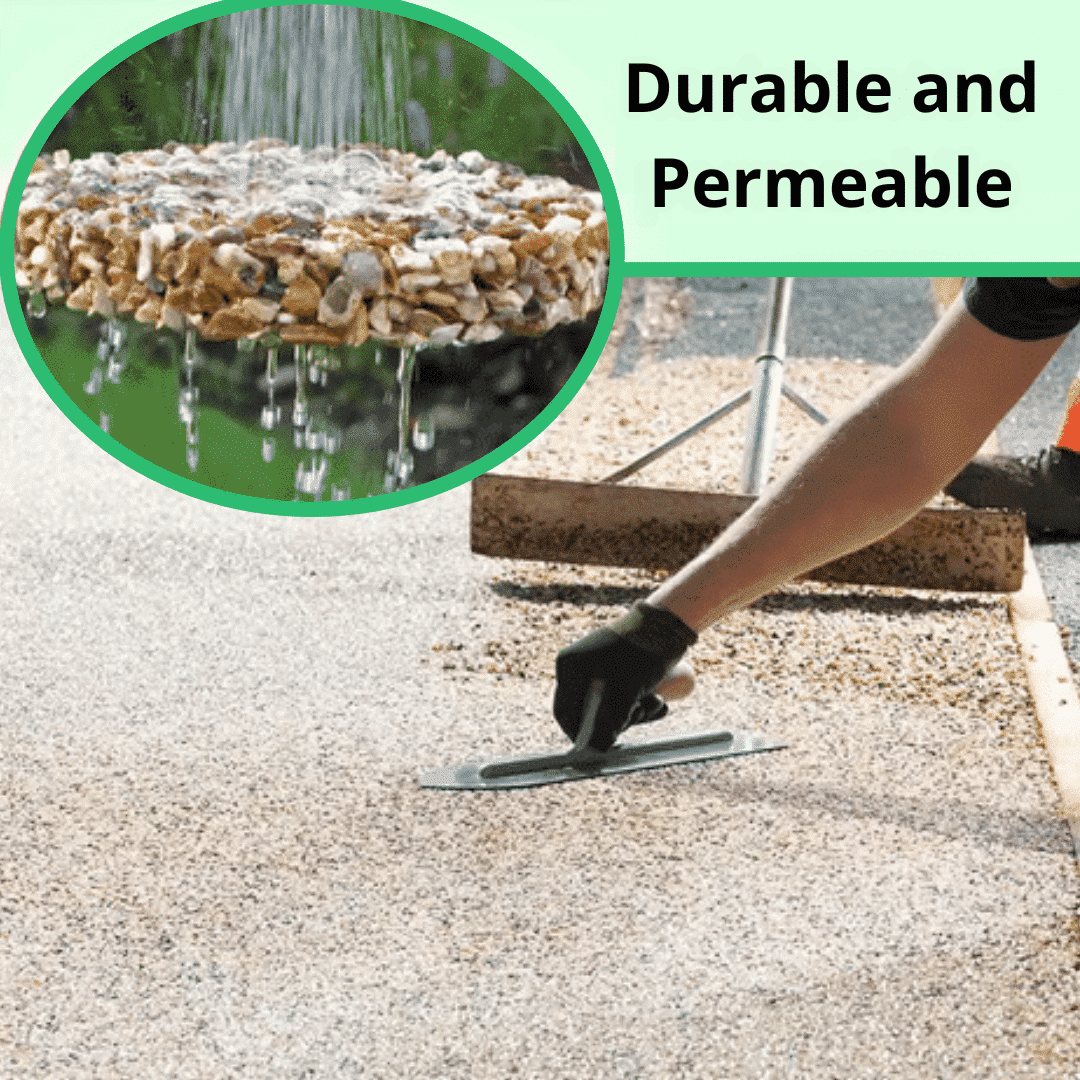 "Flowstone" – Complete Permeable Floor Kit with Pebbles and ResinPrice range: £49.95 through £3,915.45"Flowstone" kit combines pebbles and resin to create durable, permeable, draining outdoor floors suited for driveways and patios in the UK.
 "Trasparente" – Multipurpose Clear Epoxy Resin for Casting – Up to 2cmPrice range: £8.95 through £397.95"Trasparente" clear epoxy resin offers a self-levelling, glossy finish up to 2cm. Suitable for detailed casting and woodworking within the pool resin…
Frequently Asked Questions
Which resin should I use for pool repair?
For structural pool repairs, a polyester resin and fibreglass repair kit is ideal as it offers strength and waterproofing.
Is pool resin waterproof once cured?
Yes, both polyester and epoxy pool resins create durable, waterproof bonds when cured properly.
Can I use epoxy resin for pool surrounds?
Epoxy resin binders are suitable for decorative pebble floors and surrounds due to UV resistance and strength.
How long does resin take to cure in a pool project?
Cure times depend on the resin and environment. Most pool resins need at least 24–48 hours for a full set.
How do I prevent bubbles in the resin?
Mix slowly and apply the resin in thin layers, removing air bubbles with a brush or roller as you go.
Can resin be applied on damp pool surfaces?
No, the surface must be completely dry to ensure proper adhesion and prevent curing defects.