 Free shipping on orders over £29,85
  Shipping Tracking!


 Google
 Facebook
How to cover an indoor staircase with resin?
Transform timber, tile, or concrete stairs with a durable resin finish.

Applying resin to your indoor staircase elevates the aesthetics and resilience of the steps, whether they are timber, tile, screed or concrete. This guide walks you through the key stages of surface preparation, priming, resin application, and finishing for a staircase that stands up to foot traffic and looks stunning. Perfect for homeowners seeking a durable, low-maintenance and modern finish on indoor stairs.
What You’ll Need
- “Epoxyprimer” – Universal Water-Based Two-Component Epoxy Floor Primer – enhances resin adhesion on concrete, timber, tiles, and screeds
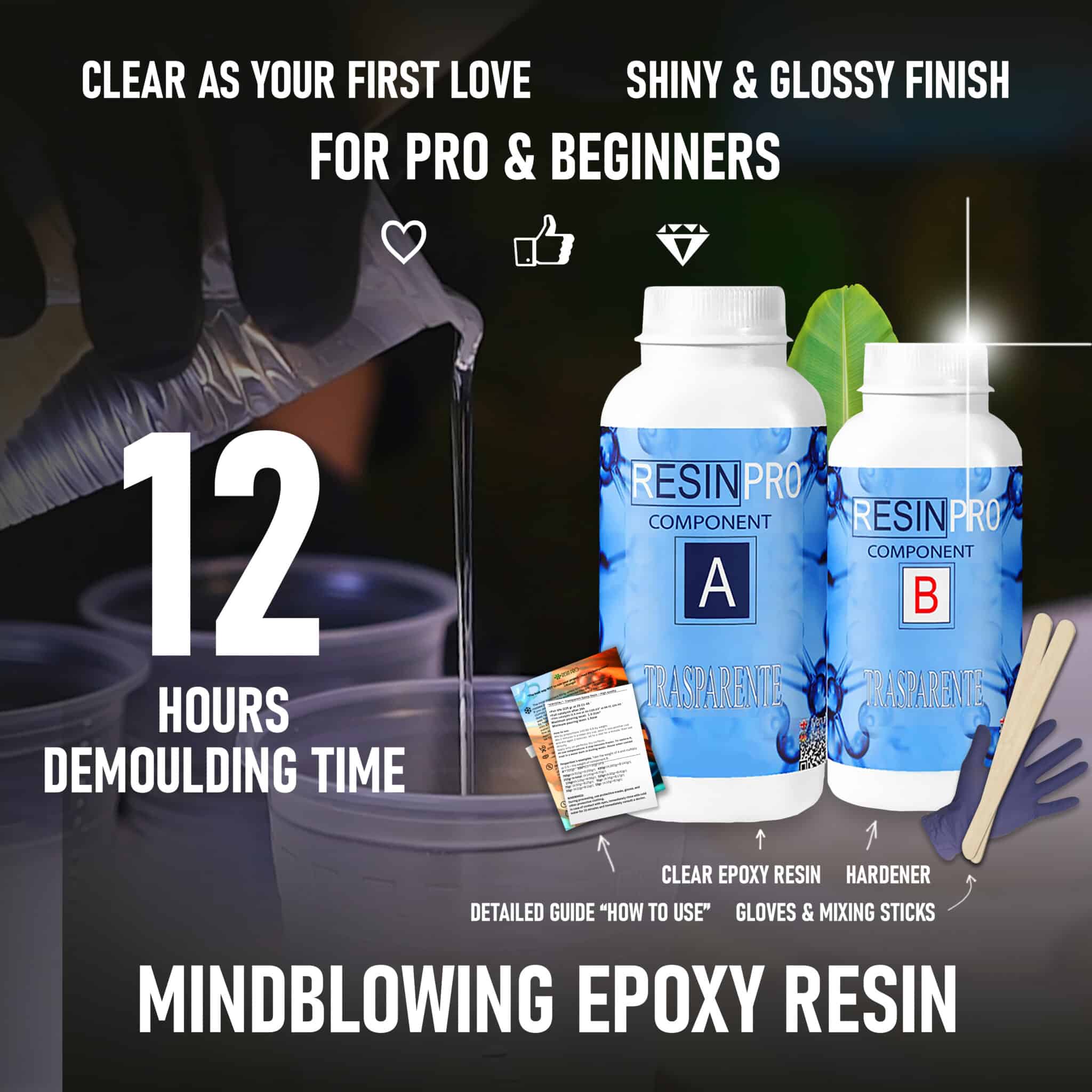
- “Trasparente” – Multipurpose Clear Epoxy Resin for Casting – Up to 2cm – self-levelling, clear resin for a durable topcoat
- “Art Pro” – Clear Epoxy Resin for Artists and Surface Coating – optimal for thin, glossy surface finishing
- “EpoxyWood” – Wood Restoration Epoxy Resin for Deep Penetration and Waterproofing – for reinforcing and waterproofing timber steps
- Cleaning supplies (vacuum, mild detergent)
- Fine grit sandpaper and sanding block
- Protective gloves and goggles
- Roller, brush, or trowel for application
- Masking tape and plastic sheeting

Essential Tools for a Professional Resin Staircase Finish
Selecting high-quality primers and resins tailored to your staircase material is crucial—this ensures lasting adhesion and a smooth, glass-like finish. Equipping yourself with the correct applicators, cleaning materials, and personal protective equipment will make the process efficient and safe, leading to a professional result on every step.
Step 1: Clean and Repair the Staircase First
Start by thoroughly cleaning every step to remove dirt, dust, oil and grease. Use a vacuum followed by a mild detergent and ensure the area is completely dry. If any existing coatings or loose material remain, sand or scrape these away for a solid base. Fill gaps, cracks or chips in wood, tile or concrete with a compatible filler and allow to cure fully before any further work.
For wooden stairs that are soft, crumbly or have minor damage, pre-treatment with a wood reinforcing resin such as “EpoxyWood” – Wood Restoration Epoxy Resin for Deep Penetration and Waterproofing will strengthen the timber and protect against future moisture or wear.
Step 2: Prime the Surface for Maximum Adhesion
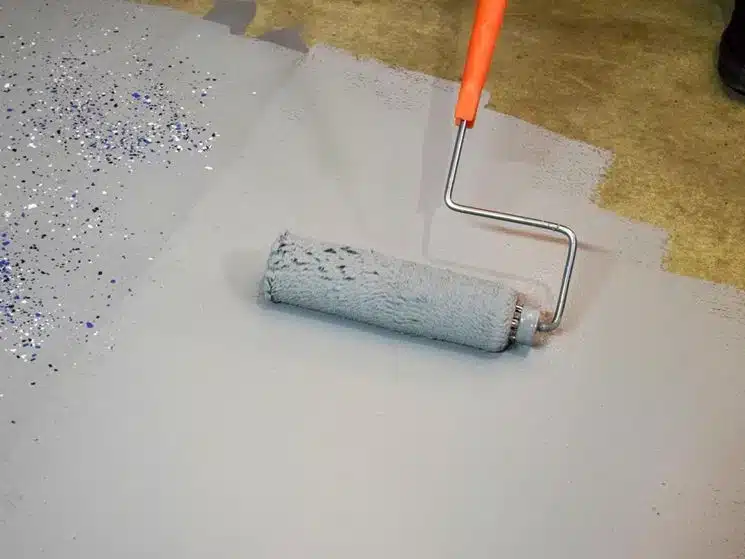
Once the surface is perfectly dry, apply a primer to promote adhesion and prevent delamination. Choose your primer based on the substrate: timber, tile, screed or concrete all benefit from a specialist product. Use a roller or brush to cover each stair tread and riser in a thin, even layer, observing the drying time as per product instructions – usually 24 to 48 hours.
A water-based, odourless primer like “Epoxyprimer” – Universal Water-Based Two-Component Epoxy Floor Primer is especially well-suited for indoor stone, screed, tile, or timber stairs, ensuring long-lasting bond strength for the layers that follow.
Step 3: Mix and Apply Resin Evenly
Carefully read and follow the resin's mixing instructions for accuracy and a flawless cure. Prepare enough mixed resin for one layer at a time – do not exceed recommended thickness per pour. Pour or spread the resin across each stair tread and riser, encouraging an even, self-levelling coat.
For a high-build, crystal clear finish with good scratch resistance, “Trasparente” – Multipurpose Clear Epoxy Resin for Casting – Up to 2cm is excellent for up to 2cm thick layers. If a thinner, artistic surface effect is preferred, “Art Pro” – Clear Epoxy Resin for Artists and Surface Coating offers excellent clarity and control for topcoating.
Use a brush, roller, or notched trowel for spreading, and ensure ventilation in your working area. Remove air bubbles with a heat gun or torch if needed, taking care not to overheat the resin.

Step 4: Allow Ample Curing Time and Add Protective Top Coat
Protect the staircase from dust, pets, or traffic while the resin cures. Most epoxy resins require at least 24–48 hours to set, but full hardness and scratch resistance can take up to seven days. For optimal durability and anti-slip properties, a clear finishing layer or optional topcoat can be applied once the main resin is fully cured, following the manufacturer’s guidelines for compatibility.
Careful adherence to curing and environmental guidelines makes the difference for a glossy, professional result that stands up to everyday use.

Tips, Common Mistakes, and Troubleshooting
- Avoid excessive humidity and temperature swings while the resin cures.
- Don't rush the primer or resin curing – premature use can ruin the finish.
- Mask walls and adjacent floors to prevent resin drips and overspill.
- If bubbles persist, use a heat gun sparingly and keep it moving to avoid scorching.
- Layer resin only within specified thickness limits to avoid overheating or incomplete hardening.
- Ensure good ventilation and use gloves and goggles for safe handling.
Resin Finishing Touches for Unique Staircase Projects
Personalising your resin staircase can make it a true centrepiece. Incorporate coloured pigments, non-slip additives, or contrasting trims within the resin for distinctive effects. Always test new decorative additions on a sample or offcut before applying them to the entire staircase for best results.

- "Epoxyprimer" – Universal Water-Based Two-Component Epoxy Floor PrimerPrice range: £156.45 through £286.45"Epoxyprimer" is a water-based two-component epoxy floor primer designed for reliable adhesion on various surfaces, suitable for indoor resin…
- "Trasparente" – Multipurpose Clear Epoxy Resin for Casting – Up to 2cmPrice range: £8.95 through £397.95"Trasparente" is a clear, multipurpose casting resin designed for layers up to 2 cm with a self-levelling finish, suitable for detailed indoor…
- "Art Pro" – Clear Epoxy Resin for Artists and Surface CoatingPrice range: £19.95 through £267.95Art Pro clear epoxy resin is designed for artists and crafters seeking durable, transparent finishes suitable for surface coating projects.
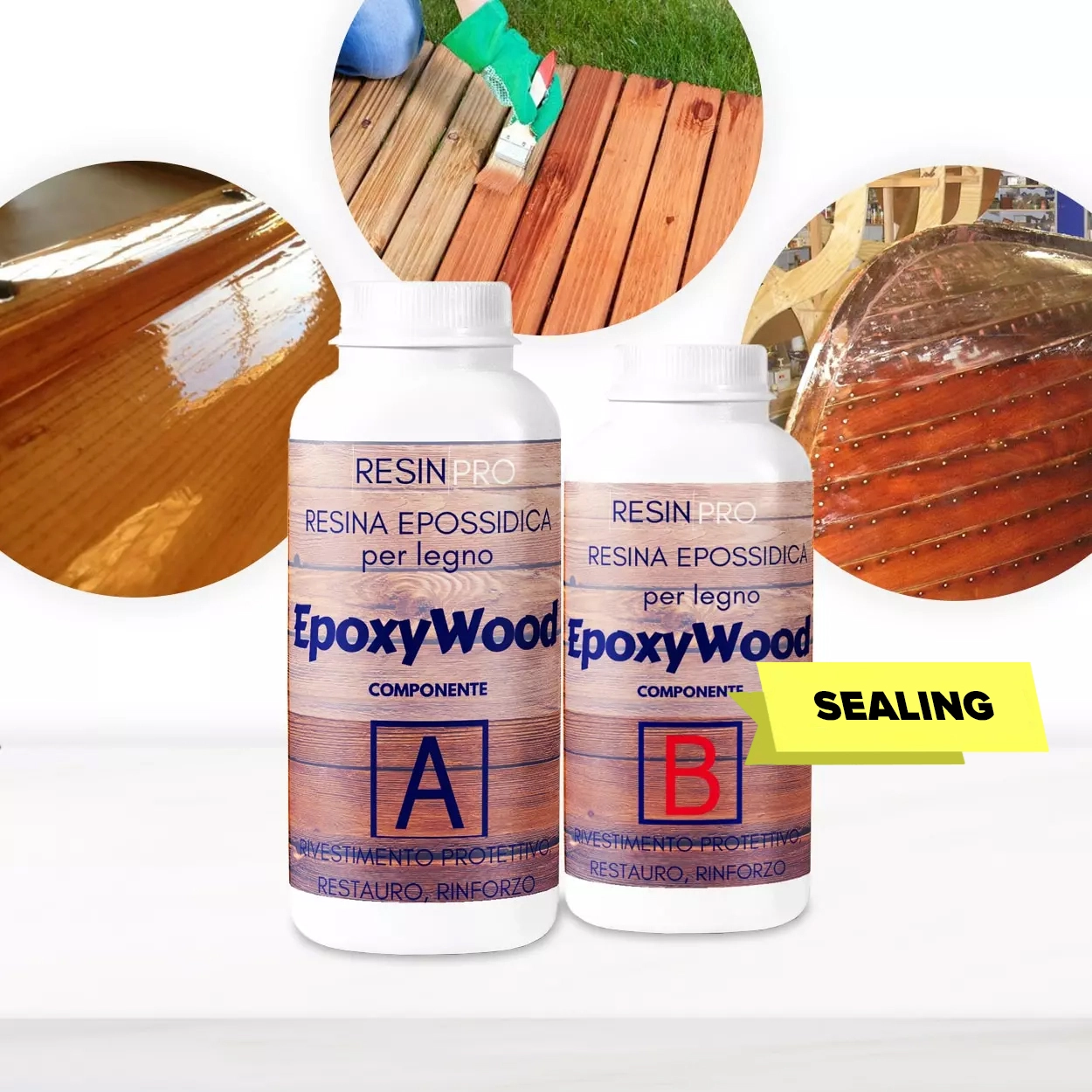 "EpoxyWood" – Wood Restoration Epoxy Resin for Deep Penetration and WaterproofingPrice range: £27.95 through £41.95"EpoxyWood" is designed for wood restoration with deep penetration and waterproofing. Suitable for indoor staircase applications involving wood…
Frequently Asked Questions
Can resin be applied to timber staircases safely?
Yes, use a compatible primer and ensure timber is dry and free of coatings for optimal adhesion.
How long should I wait before using my resin-covered stairs?
Wait at least 24–48 hours for initial cure, and up to 7 days for full strength before resuming heavy traffic.
Which resin works best for thin or thick layers on stairs?
Use "Trasparente" resin for layers up to 2cm. For thin, artistic coats, "Art Pro" is suitable.
Is sanding necessary between resin layers?
For best adhesion, lightly sand and clean surfaces between resin coats once they are touch dry.
Do I need to ventilate when working with resin indoors?
Yes, always work with good airflow and wear protective gloves to minimise exposure to fumes.
How do I avoid bubbles in the cured resin?
Apply resin slowly, remove bubbles with a heat gun, and avoid mixing too vigorously.