 Free shipping on orders over £29,85
  Shipping Tracking!


 Google
 Facebook
How to replace missing rusted parts with resin?
Step-by-step guide to lasting repairs on metal, wood, or composites
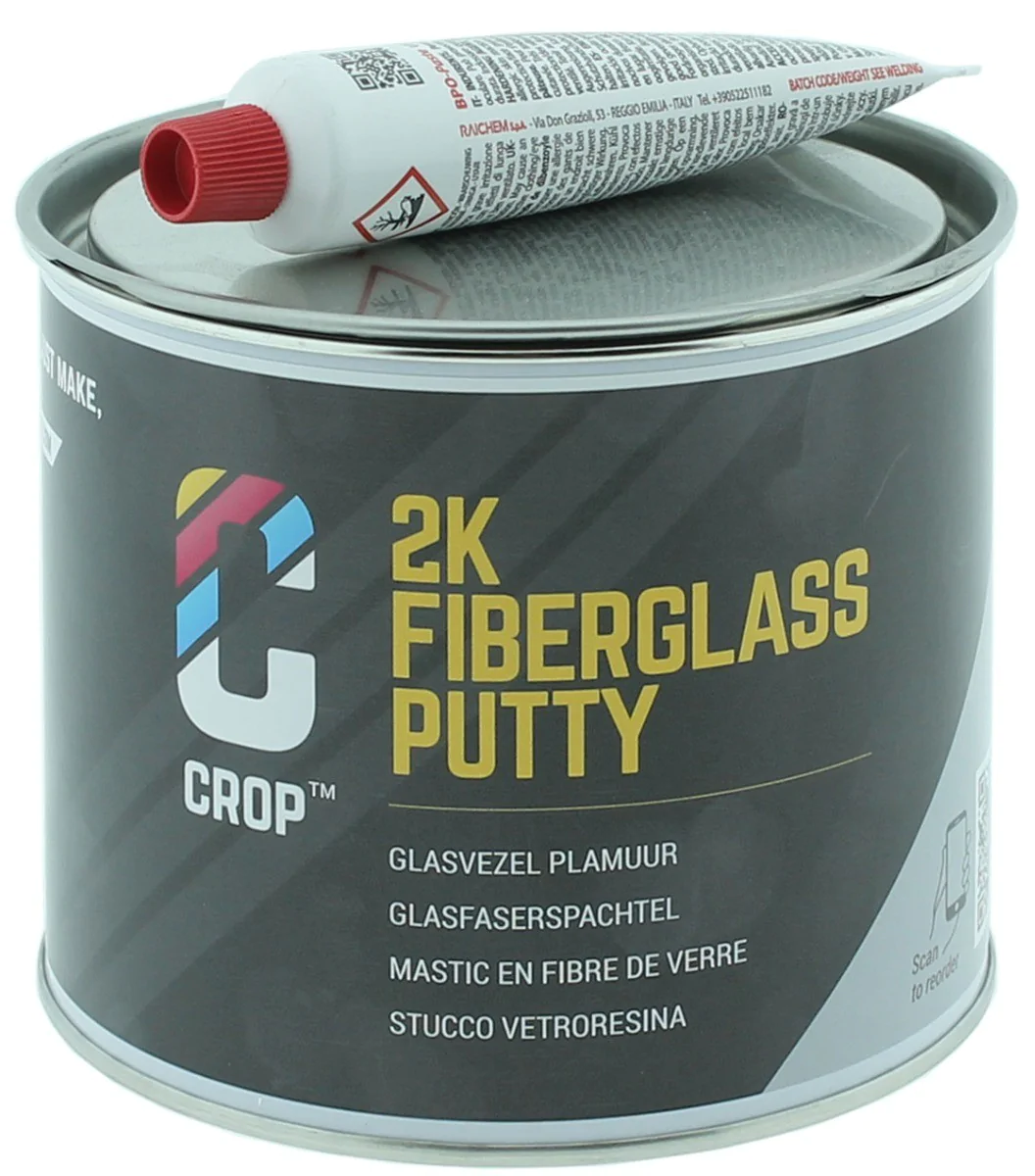
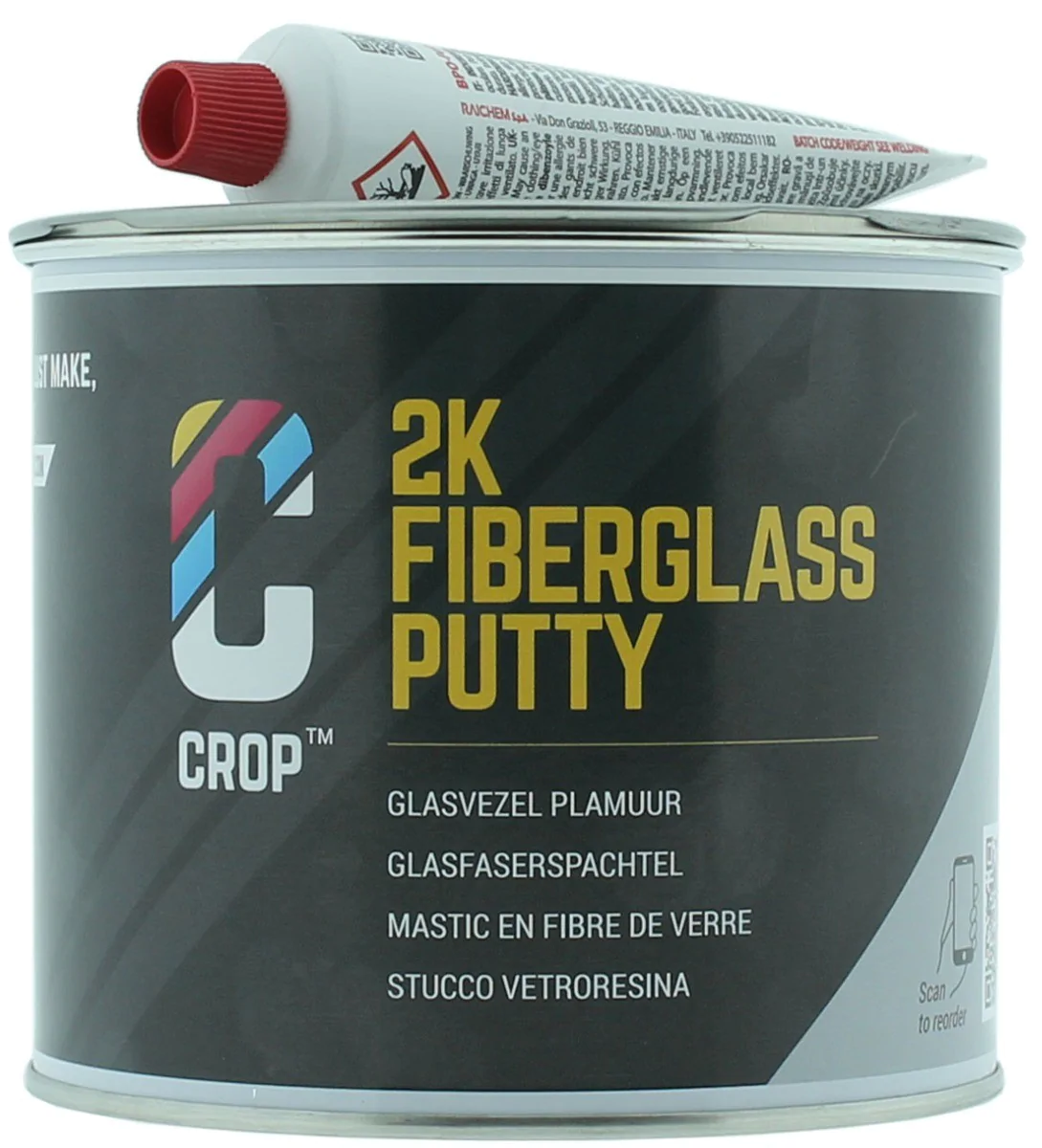
If you are facing the challenge of replacing damaged, rusted, or missing sections in metal, wood, or composite surfaces, modern resin systems offer a robust and moisture-resistant solution. This guide will walk you through essential steps for preparing the area, building up the missing material, and finishing repairs to restore both appearance and integrity—ideal whether you are fixing classic car panels, marine hardware, or external wooden features.
What You’ll Need
- CROP 2K Fiberglass Putty – 750 ml + Hardener: Two-component polyester putty, ideal for filling and rebuilding damaged or missing sections.
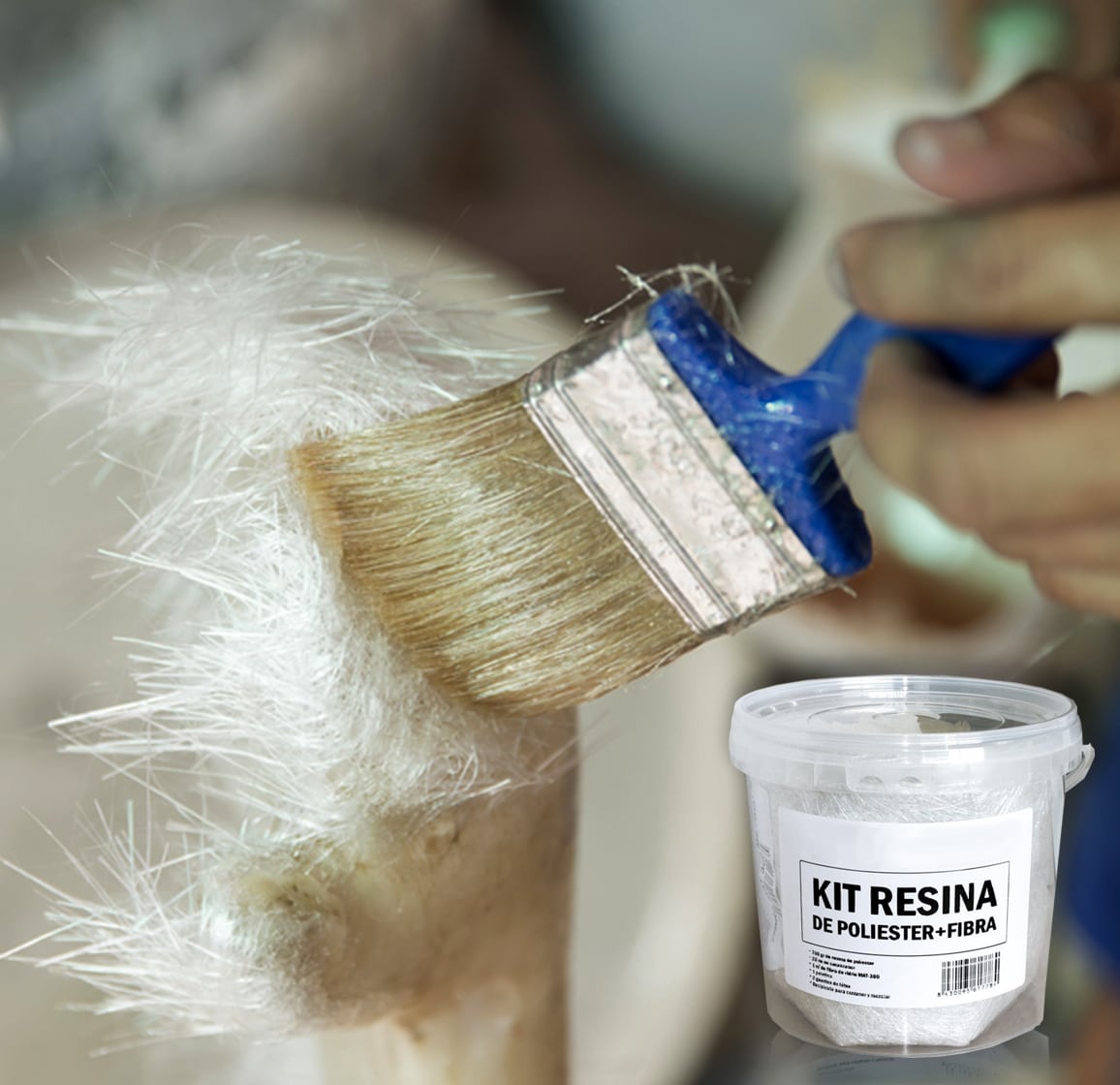
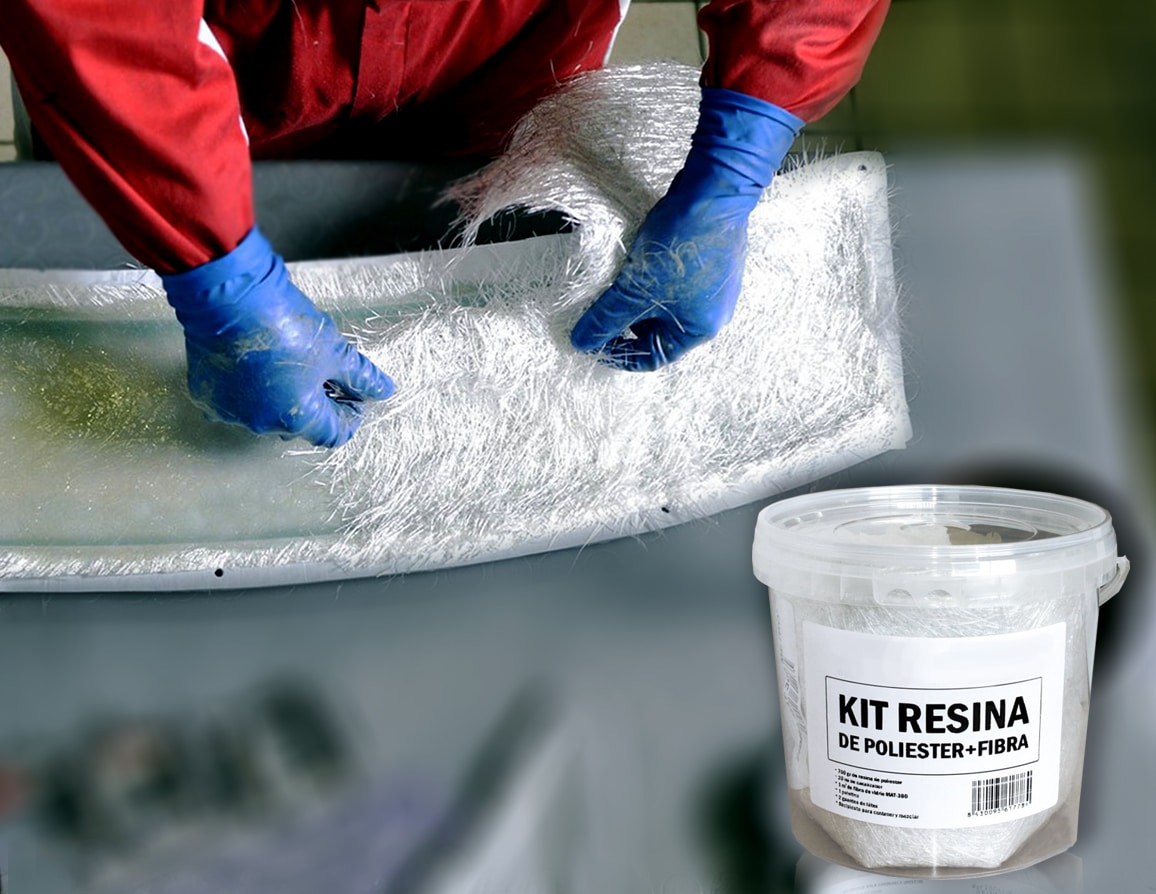
- Resin Fibreglass Repair Kit – Complete Polyester Resin and Hardener Set: Complete set with reinforcement mat, perfect for recreating strength where material is missing.
- “Carbon Resin” – Epoxy Resin for Carbon Fiber & Fiberglass Coating: For technical repairs requiring strong impregnation and high durability.
- “EpoxyWood” – Wood Restoration Epoxy Resin for Deep Penetration and Waterproofing: For restoring missing or decayed areas on wood with waterproof sealing.
- Rigid substrate, template or mould (optional, to help shape the new section)
- Metal file, wire brush, and/or abrasive paper (for preparation)
- Protective gloves, safety glasses, respirator mask
- Mixing sticks, containers, spatula, disposable brush
- Primer and top coat (for final finish and protection)
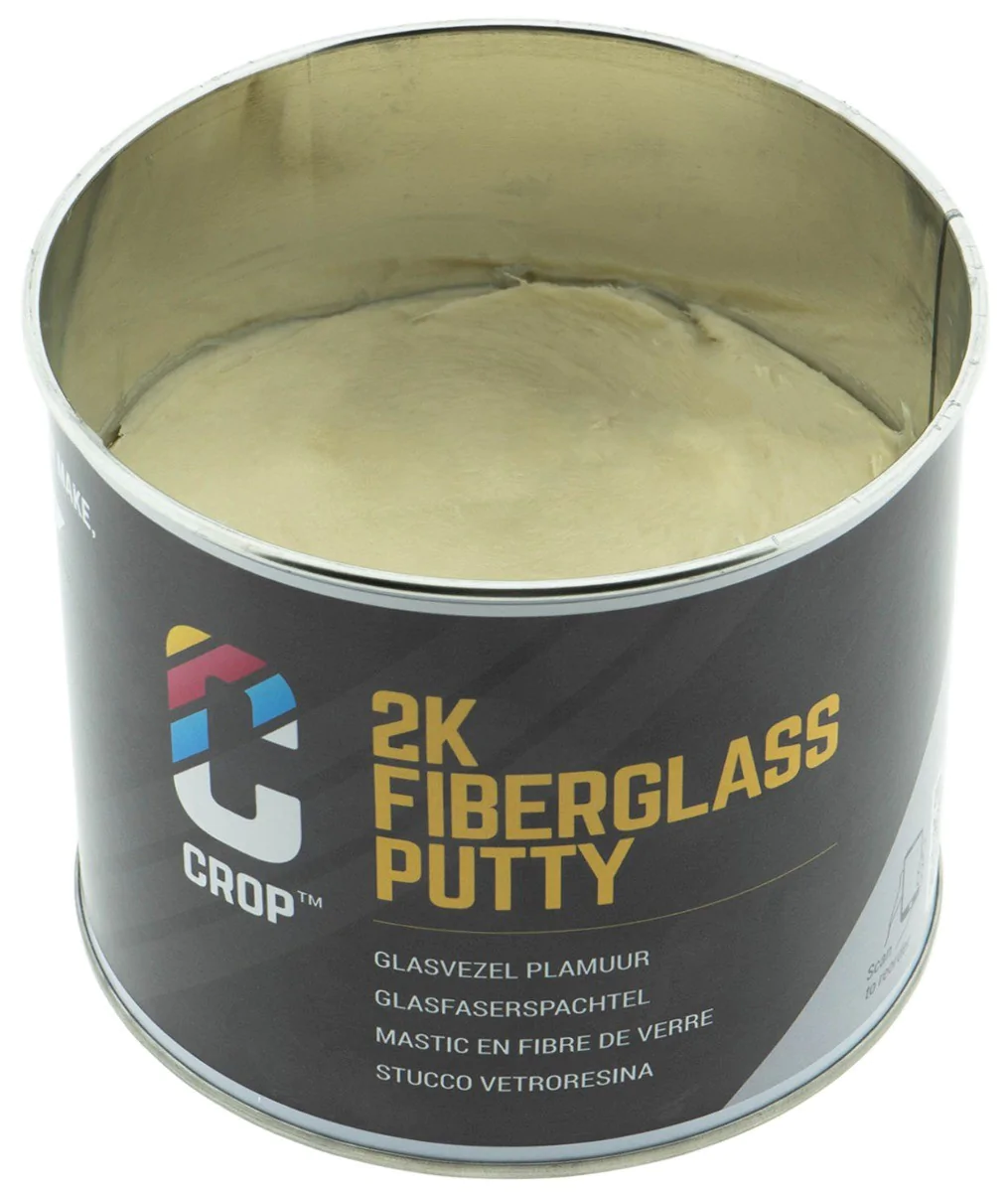
Visualising Your Repair Materials and Tools
Lay out all materials before you start so each product is within reach. This visual checklist ensures a smooth workflow, from resin and fibreglass kits to supporting hand tools.
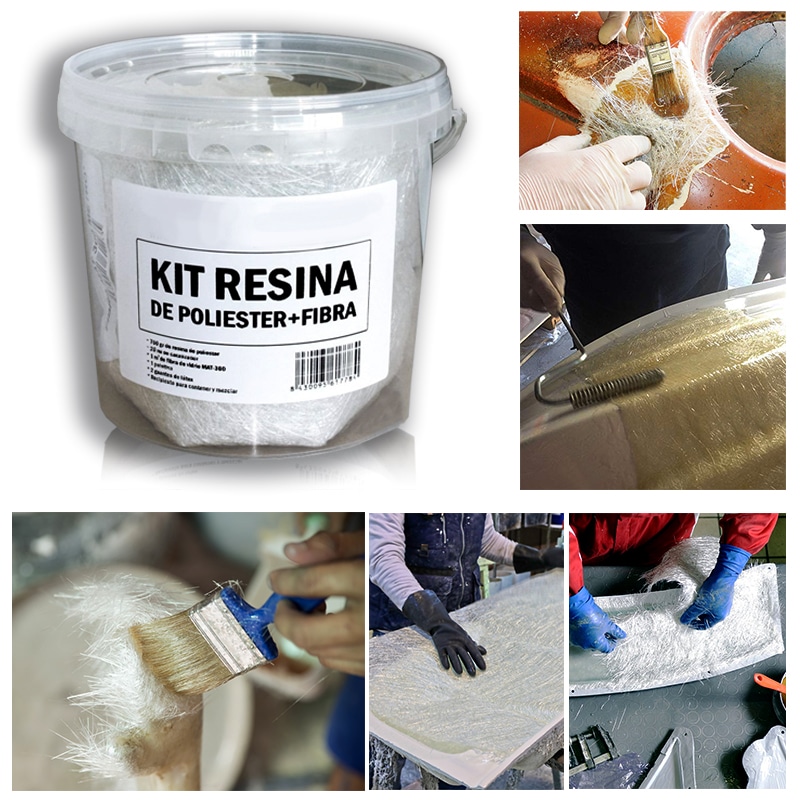
Step 1: Remove Rust and Prepare the Area
Ensure all rust is fully removed before starting your repair. Begin by removing any flaky rust, loose paint, or debris with a wire brush and abrasive paper. It is critical to reach sound, clean metal or solid material beneath, as resin adheres best to stable surfaces. Use a degreaser or solvent to remove oil, wax or contaminants, then let the surface dry thoroughly.
If the hole is large or there are entire sections missing, shape a temporary mould or backer using tape, cardboard, or a removable plate to support the new repair while it cures. Double-check all prep is complete—skipping this step risks wasted effort or a failed bond.
Step 2: Build Up the Repair with Reinforcement
For larger holes or missing structural areas, layering resin and reinforcement cloth builds structural strength. Cut a fibreglass mat (from the Resin Fibreglass Repair Kit – Complete Polyester Resin and Hardener Set) so it overlaps the repair by 2–3 cm in every direction. Mix resin and hardener following the instructions, and wet the area. Apply the fibreglass mat, then saturate with more resin, gently pressing air bubbles out.
Use multiple thin layers if needed to build up thickness and resilience, allowing each to partially gel before proceeding with another. For advanced repairs or impact-prone applications, an epoxy system like “Carbon Resin” – Epoxy Resin for Carbon Fiber & Fiberglass Coating offers even greater bond and finish quality.
Step 3: Fill, Shape, and Smooth the Surface
Once the structural layers are cured, remove any backing supports. For the final shape and to recreate missing contours, spread a layer of CROP 2K Fiberglass Putty – 750 ml + Hardener or, for wood, “EpoxyWood” – Wood Restoration Epoxy Resin. These specially formulated compounds are easy to mix and apply, filling gaps and allowing for subtle shaping with a spatula or spreader.
Let the filler fully harden—then sand it even with the original surface using progressively finer abrasive paper. Check for pinholes, repeat filling if needed, and finish with fine sanding to achieve a seamless transition.
Step 4: Seal and Paint for Final Protection
Seal and finish the repair for weather and moisture resistance. Clean away all dust. Apply a primer suitable for the substrate (metal, wood or composite), followed by a quality top coat or dedicated paint. Ensuring a well-sealed finish will improve the longevity of your repair, preventing moisture ingress and future rust or decay.
You can now remove the repaired item’s protective coverings, reinstall it if needed, and enjoy using the restored piece with renewed confidence in its lasting strength.
Tips, Mistakes to Avoid, and Troubleshooting
- Work in a dust-free, ventilated space and wear full personal protection.
- Always allow sufficient curing time for maximum durability. Rushing leads to weak repairs.
- Do not skip careful cleaning and surface prep. Delamination is the most common cause of repair failure.
- Sand carefully between coats for best adhesion and smoothness.
- If using a mould, apply a release agent so the cured resin does not stick permanently.
Gallery: Finished Resin Repairs and Step-by-Step Progress
Browse real-life resin repair projects, comparing untreated rust damage to fully rebuilt, sanded, and painted results, so you can visualise each stage of successful restoration.

- CROP 2K Fiberglass Putty – 750 ml + Hardener£15.85CROP 2K Fiberglass Putty is suitable for bodywork repairs and creating a smooth surface before priming and painting.
- Resin Fibreglass Repair Kit – Complete Polyester Resin and Hardener SetResin Fibreglass Repair Kit provides strong structural reinforcement and is easy to use for repairs on rigid plastics and metals.
 "Carbon Resin" – Epoxy Resin for Carbon Fiber & Fiberglass CoatingPrice range: £19.95 through £37.95Epoxy resin for carbon fibre and fibreglass designed for composites and technical fabric work, supporting durable and precise results.
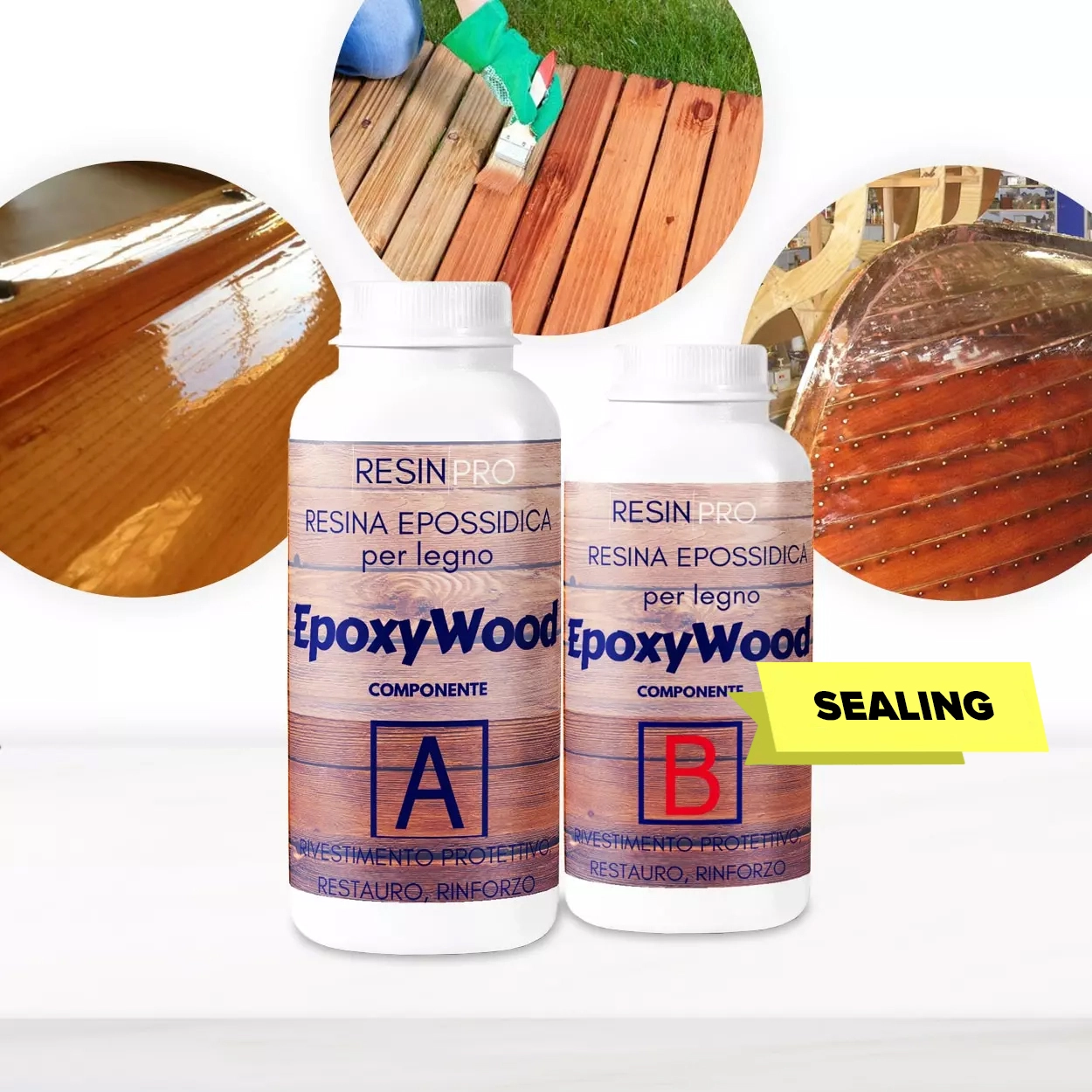 "EpoxyWood" – Wood Restoration Epoxy Resin for Deep Penetration and WaterproofingPrice range: £27.95 through £41.95"EpoxyWood" is a wood restoration epoxy resin designed for deep penetration and waterproofing, suitable for repairing and protecting wooden surfaces.
Frequently Asked Questions
Can I repair large rusted holes with resin?
Yes, fibreglass or carbon-reinforced resin systems can rebuild even substantial gaps when used with mats and careful layering.
Which resin is best for metal versus wood repairs?
Use fibreglass or epoxy resins for metal, and deep-penetrating wood epoxy for timber or composite surfaces.
How long should resin cure before sanding or painting?
Always follow product instructions, but most repairs need at least several hours to fully harden before finishing steps.
Does resin prevent future rust or rot?
Resin creates a waterproof, sealed barrier but any new damage or scratches may compromise protection if not maintained.
Can beginners do resin repairs?
Yes, many resin kits include instructions and are suitable for first-timers provided basic safety and prep steps are followed.
How do I shape or reinforce missing corners?
Use a shaped mould or temporary backer, then build up the resin and fibreglass gradually to match the original profile.