 Free shipping on orders over £29,85
  Shipping Tracking!


 Google
 Facebook
How do you make colored resin jewelry?
Step-by-step guide for vibrant, unique resin jewellery at home


Creating coloured resin jewellery is a rewarding way to express your personal style, craft meaningful gifts, and explore creative techniques. With the right tools and a careful approach, you can produce stunning pendants, earrings, rings or charms brimming with vibrant colour and clarity. Whether you’re a first-time crafter or an experienced artist, this guide walks you through each key stage—from preparation and colouring to finishing details—so that you can craft polished, professional results with ease.
What You’ll Need
- “Evershine Collection” – Artisan Jewellery Epoxy Resin Kit with 100+ Accessories: Perfect for beginners with moulds, mixing accessories and clear epoxy.
- “UV–Creation” – Fast Acrylic Resin, 3 Minute UV Cure: Ideal for rapid cures and small jewellery pieces.
- “ICreation” – Fast Epoxy Resin, 6h Demoulding, Transparent Gloss Finish: For clear, quick-setting, glossy results in a two-part system.
- “Colourfun Set” – Liquid Epoxy Resin Colourant Set for Solid Colour Effects: Highly concentrated colourants for rich or translucent colour effects.
- Silicone jewellery moulds (shapes of your choice)
- Protective gloves, mixing cups, stirring sticks, pipettes
- Decorative elements (dried flowers, glitters, small inclusions—optional)
- UV lamp (if using UV resin)

See Examples of Coloured Resin Jewellery Creations
Browse a selection of real customer creations and colourful resin projects crafted using artisan jewellery kits, quick-curing UV resin, and liquid colourant sets. Get inspired for your next statement piece.
Step 1: Prepare Your Workspace and Materials
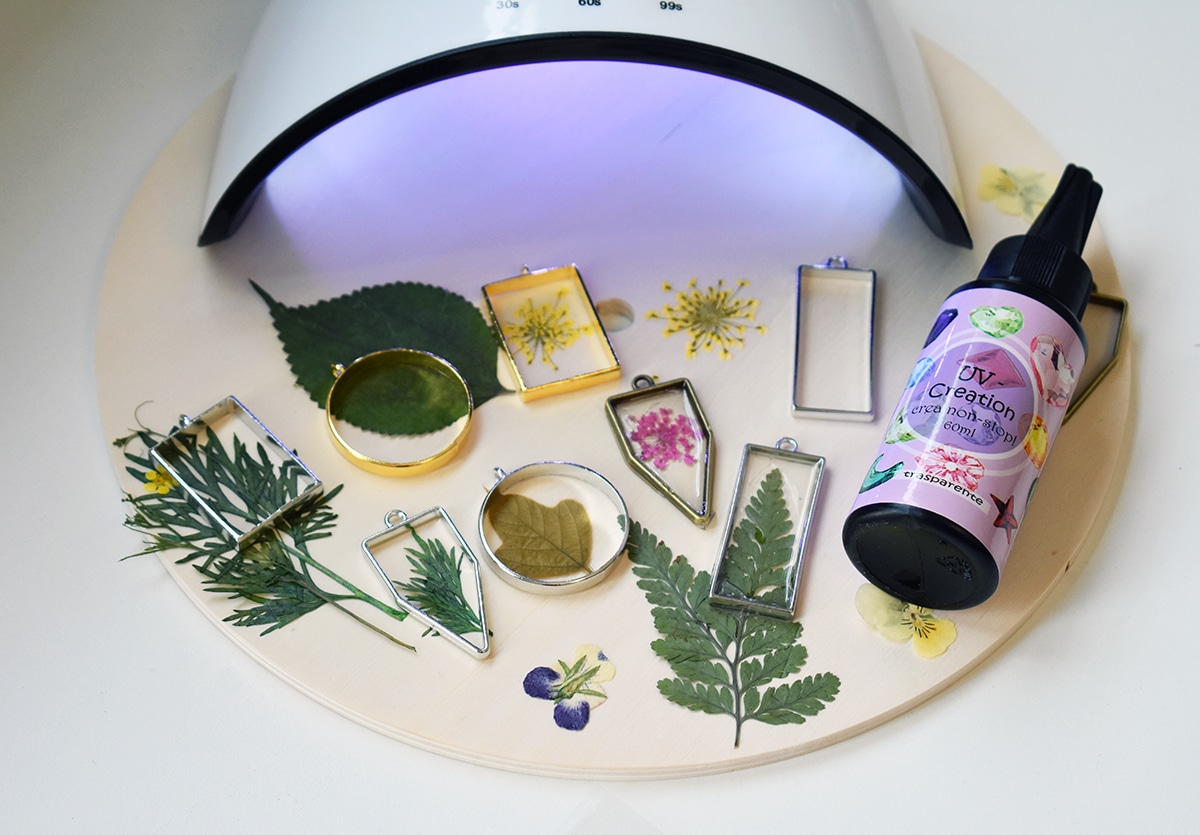
Start by ensuring your workspace is free from dust and well-organised. Lay out all tools and accessories you plan to use. Use gloves and work in a well-ventilated area both to protect your skin and to maintain optimal curing. Check your moulds for dust or residue, and clean thoroughly—clear, dry moulds are key for glossy finishes without defects.
If you use the “Evershine Collection” – Artisan Jewellery Epoxy Resin Kit, you’ll find essential accessories are included, so you can get started straight away.
Step 2: Mix and Colour Your Resin
Carefully measure your resin and hardener according to your product’s specifications. Always double-check your resin’s mixing ratio—most beginner kits (like the “Evershine Collection”) use an easy 1:1 ratio, while other fast-curing options, such as “ICreation” – Fast Epoxy Resin, require a 2:1 ratio. For UV resin, like “UV–Creation” – Fast Acrylic Resin, simply pour from the bottle with no mixing required.
Once mixed, add a small amount of colourant. The “Colourfun Set” – Liquid Colourant delivers vibrant or subtle effects with just a drop or two, so start sparingly, stirring thoroughly for even, streak-free distribution. Avoid over-mixing or introducing excess bubbles. Add glitters, dried flowers or other inclusions at this stage if desired, ensuring colours and beads are spread evenly.
Step 3: Pour and Cure the Resin in Moulds
Slowly pour your coloured resin into silicone moulds, filling them just below the top edge to prevent overflow. Toothpicks or pipettes can help guide the flow and eliminate air pockets, especially around fine shapes or inclusions. Gently tap the mould on the table to release trapped bubbles.
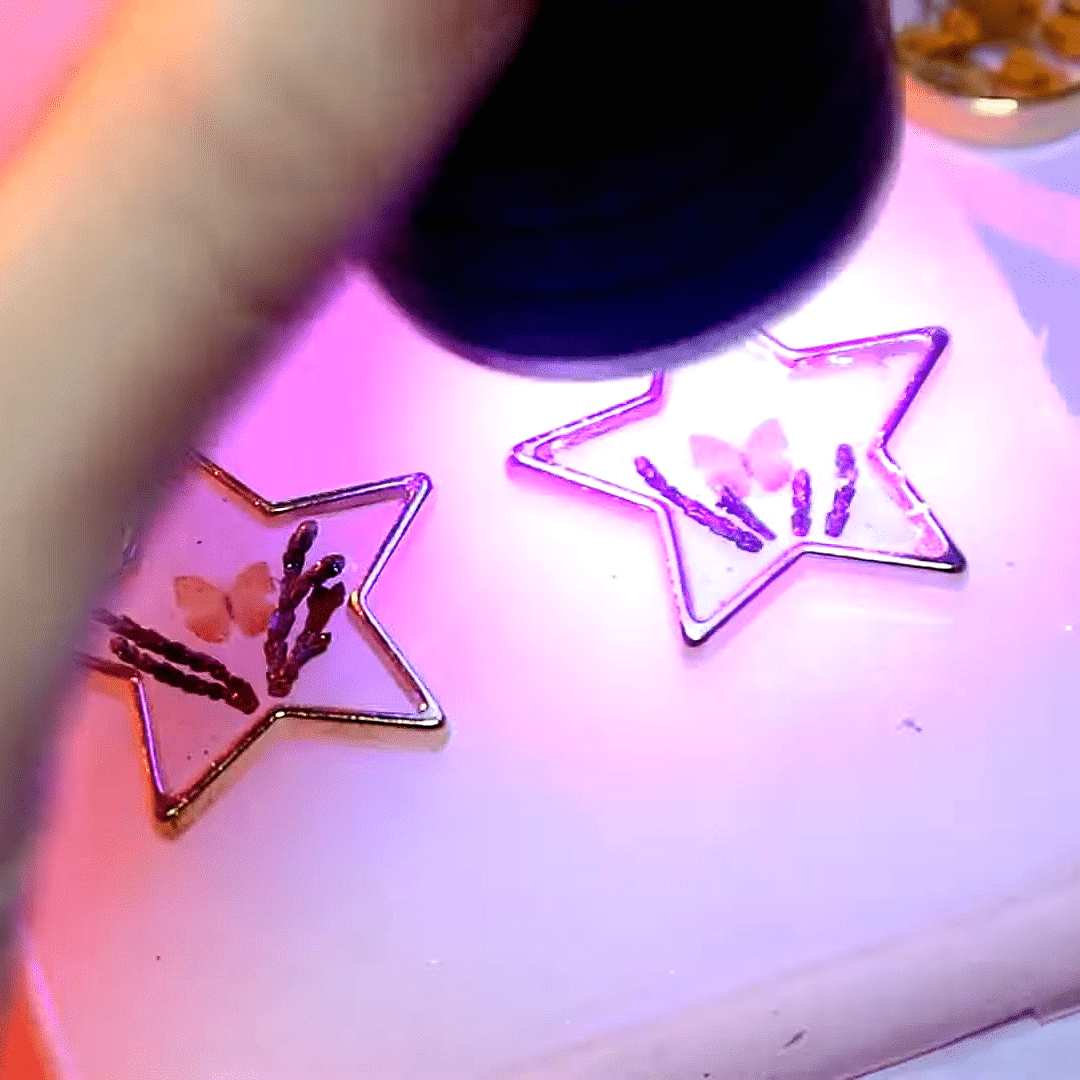
If using UV resin, place the filled moulds under a UV lamp for around three minutes. For epoxy, curing times vary—standard epoxy needs 12–24 hours, while the “ICreation” – Fast Epoxy Resin can be demoulded after just six hours. Allow full curing before demoulding and handling to avoid fingerprints or dents.
Step 4: Finish and Assemble Your Jewellery
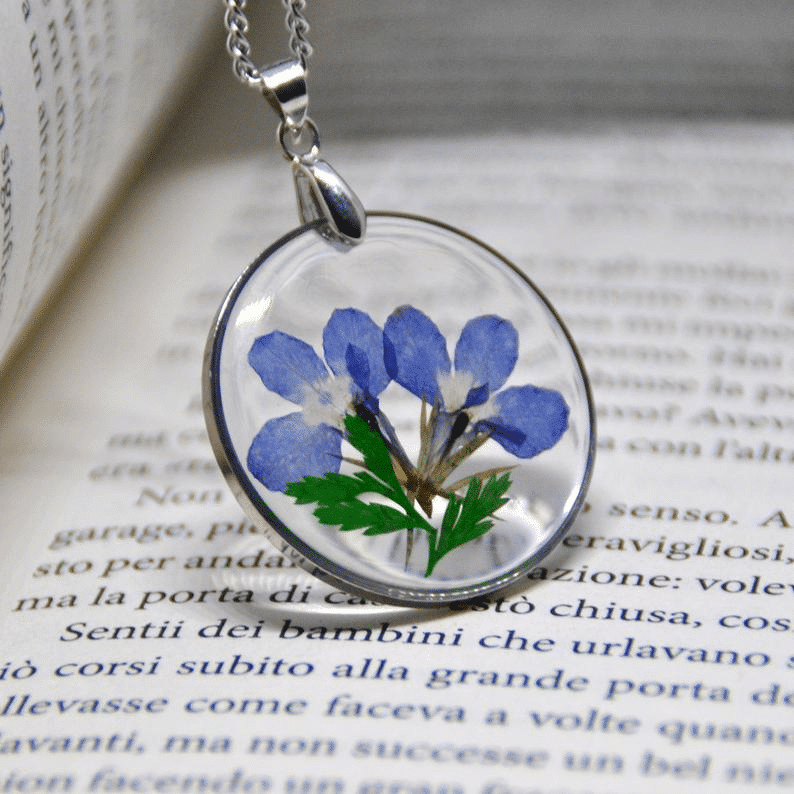
Once cured, gently remove pieces from their moulds. Any sharp edges can be sanded with fine-grit paper or polished for a crystal-like shine. Using the accessories found in the “Evershine Collection” (jump rings, clasps, tassels), or your own findings, assemble each piece. A mini drill or hand tool can help add holes for fittings if needed.
Inspect each item closely, wipe away dust, and enjoy your finished resin jewellery—unique, beautiful and truly bespoke.
Tips and Common Mistakes to Avoid
- Mix resins slowly to limit bubbles; use a heat gun or lighter to remove surface bubbles before curing.
- Don’t use alcohol-based inks with UV resin, as they can affect curing and clarity.
- Work in thin layers for best results with UV resin; avoid pouring deep, single casts.
- Select moulds designed for jewellery for sharp detail and easy demoulding.
- Store resin and pigments in a cool, dry place, away from direct sunlight to retain quality.
Creative Finishing Touches and Customisation
Personalise your resin jewellery further by combining Colourfun pigments, metallic flakes, dried botanicals, or letter moulds to create unique wearable art. Experiment with layering or gradient effects for professional-looking results.
- "Evershine Collection" – Artisan Jewellery Epoxy Resin Kit with 100+ Accessories£21.95"Evershine Collection" offers a clear 1:1 epoxy resin kit with over 100 accessories, suitable for jewellery makers in this crafting theme.
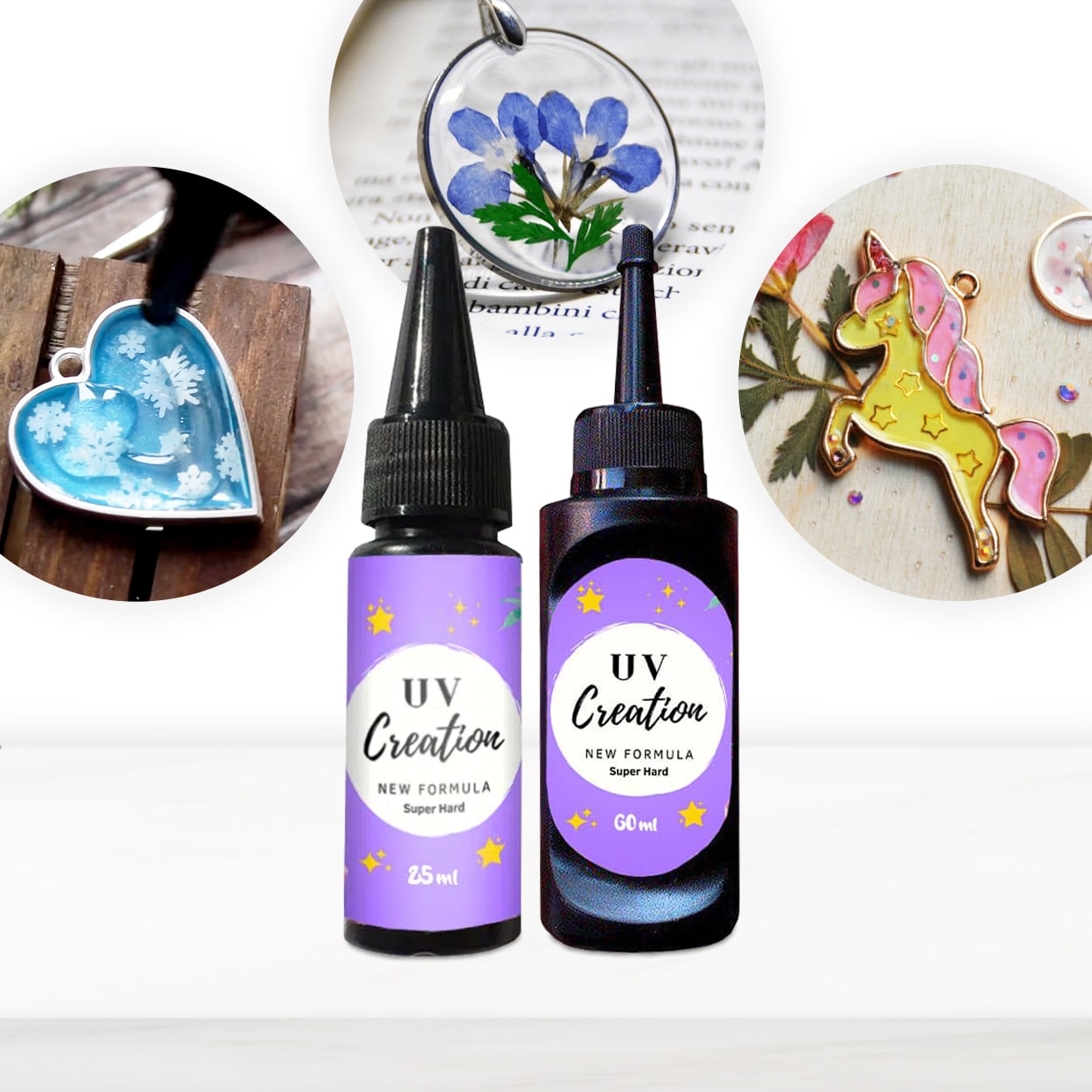
- "UV–Creation" – Fast Acrylic Resin, 3 Minute UV CurePrice range: £8.45 through £62.95"UV–Creation" Fast Acrylic Resin cures quickly under UV light and provides a clear, glossy finish suitable for jewellery making.
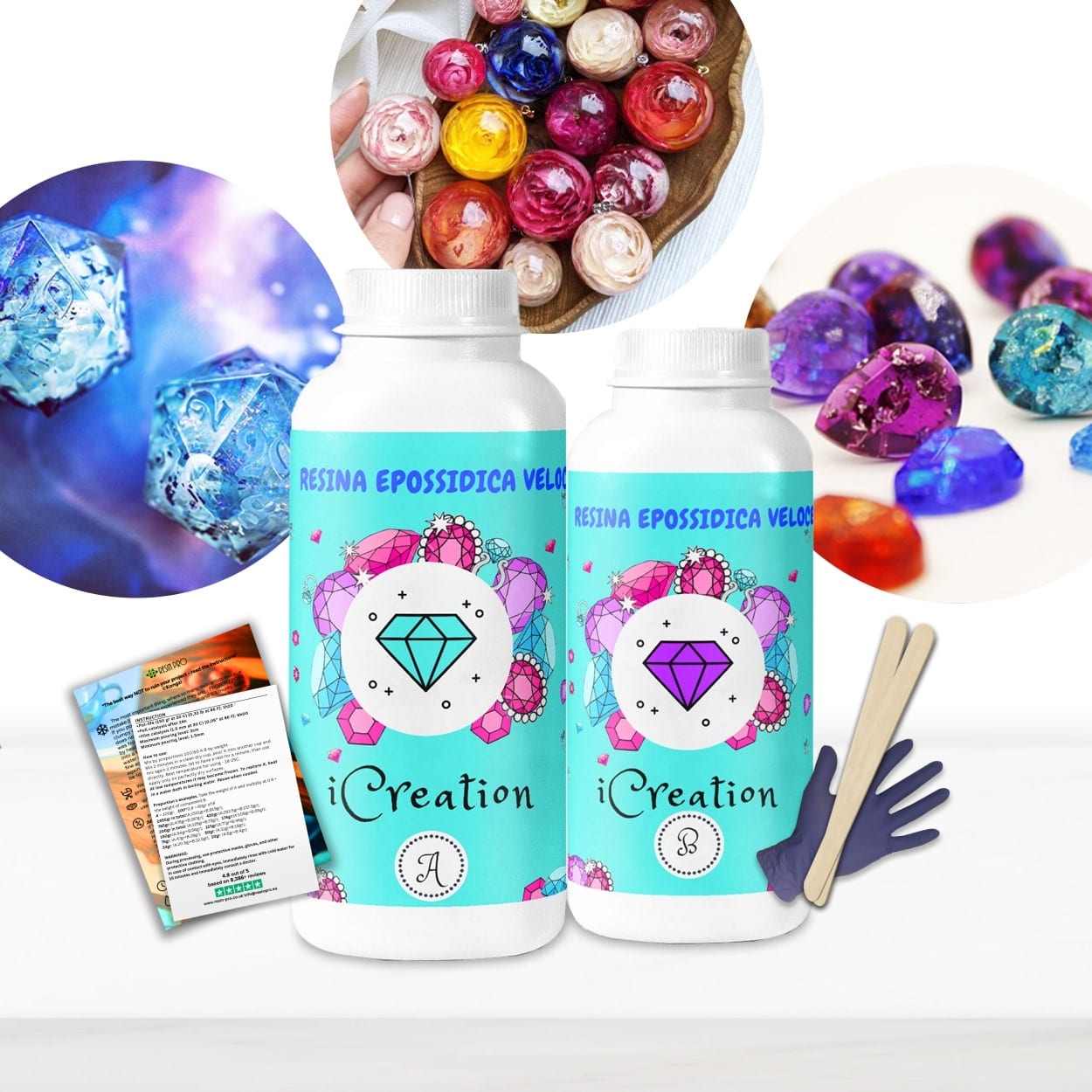 "ICreation" – Fast Epoxy Resin, 6h Demoulding, Transparent Gloss FinishPrice range: £15.95 through £55.95Fast epoxy resin with a 6-hour demoulding time and transparent glossy finish, suitable for jewellery making and crafts.
 "Colourfun Set" – Liquid Epoxy Resin Colourant Set for Solid Colour EffectsPrice range: £14.45 through £50.95The "Colourfun Set" provides intense translucent colours suitable for transparent epoxy resin projects within a jewellery making theme.
Frequently Asked Questions
What is the best type of resin for coloured jewellery?
For most projects, clear epoxy resin or UV acrylic resin are ideal. Choose based on your desired cure time and project size.
How do I avoid bubbles when making resin jewellery?
Mix resin slowly and pour carefully. Use a heat gun or lighter to pop surface bubbles for a flawless finish.
Can you use UV resin for coloured jewellery?
Yes, UV resin works well with liquid pigments. Cure in very thin layers to preserve colour vibrancy and clarity.
What pigments are best for resin jewellery?
Highly concentrated liquid colourants or pastes, such as the Colourfun set, work best for intense and even colour.
How long does resin jewellery take to cure?
UV resin cures in about 3 minutes under a lamp. Epoxy resin generally cures fully within 12–24 hours, or faster with quick-set formulas.
Do I need mould release for resin jewellery?
For most high-quality silicone moulds, no release agent is needed. For older or rigid moulds, a light oil spray can help.
Can I embed decorations in resin jewellery?
Yes, add dried flowers, glitter, or charms to your coloured resin after mixing, before curing for custom effects.
How do I polish or sand resin jewellery?
Use fine sandpaper to smooth edges, then buff with a soft cloth for a clear, polished finish.