 Free shipping on orders over £29,85
  Shipping Tracking!


 Google
 Facebook
← Back to How do you use anchoring resin on the bars?
Proper surface preparation is an often-overlooked but essential step when using anchoring resin on bars. Ensuring that both the bars and their contact surfaces are meticulously cleaned and fully dry will help you achieve strong, long-lasting adhesion and a reliable finish.
The Importance of Clean and Dry Surfaces
Dirt, dust, oil, and moisture are common barriers that can interfere with the bond between the anchoring resin and the bar. Any contamination left on the metal or surrounding areas may weaken the resin’s grip, potentially leading to failures or a poor finish. Taking the time to clean your surfaces ensures the resin adheres directly to the material, not to a layer of debris or residue.
How to Prepare Bars and Surfaces Effectively
- Degrease: Use a purpose-made degreaser or isopropyl alcohol to wipe down all surfaces. This removes oils and residues from handling and previous treatments.
- Remove Debris: Brush off any dust or loose particles with a clean, dry cloth or a soft brush.
- Dry Thoroughly: Before applying any resin product, ensure that the area is completely dry. Even small amounts of moisture can disrupt the resin curing process or affect adhesion.
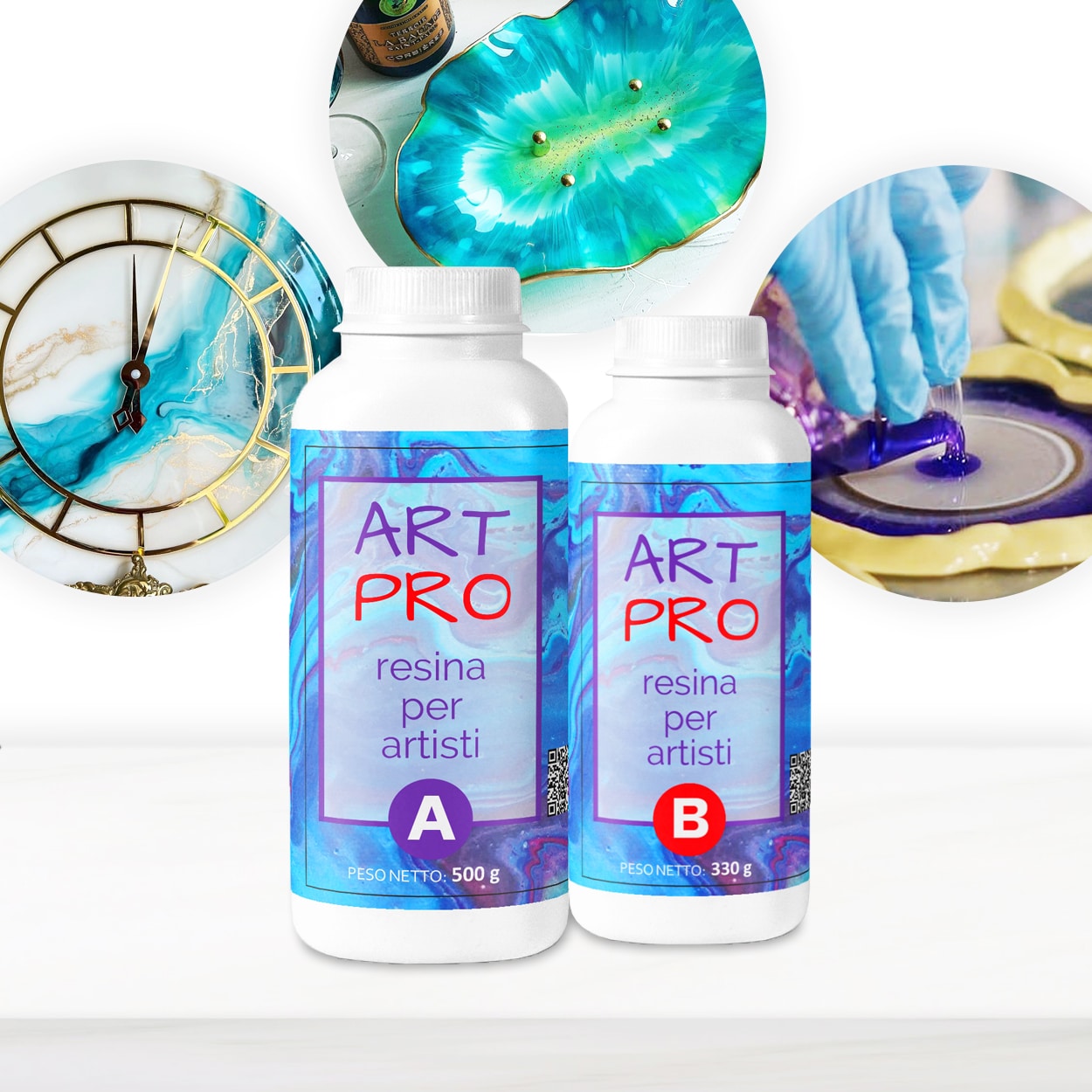
For projects involving decorative or creative surface work, such as encapsulating bars for art installations, a clear epoxy like Art Pro can provide a glossy, protective finish, but preparation remains key.
When This Step Matters Most
Meticulous cleaning and drying are especially crucial in environments prone to dust, moisture, or grease. Industrial kitchens, outdoor settings, or heavy-use bars should be checked carefully before starting any resin application.
Related products
Related guides
Good surface preparation underpins the success of any anchoring resin application, whether you are working on robust structural projects or decorative pieces. For more techniques and recommendations, visit our main guide on using anchoring resin on the bars.