 Free shipping on orders over £29,85
  Shipping Tracking!


 Google
 Facebook
How do you use anchoring resin on the bars?
Step-by-step guide for secure resin anchoring and flawless results


Anchoring resin is the preferred choice for securely fixing bars, rods, or rebars into masonry, concrete, or timber. Mastering its use ensures a strong bond, increased load-bearing strength, and a professional finish in structural or decorative projects. This guide will walk you through each step of the anchoring process, from preparation to finishing, whether you are working on furniture, artistic projects, or structural elements.
What You’ll Need
- “Art Pro” – Clear Epoxy Resin for Artists and Surface Coating: Ideal for precision coats and clear anchoring where visual finish matters.
- “Art Pro Deluxe” – Ultra-High Viscosity Epoxy Resin for Artists: Suits artistic applications or where resin must not drip or run from the anchoring sites.
- “EpoxyTable 5-Five” – Deep Pour Epoxy Resin for Tables and Large Projects – Up to 5cm: Recommended for deep anchor points, such as thick timber or large decorative castings.
- “Epoxytable 10-Ten” – Deep Pour Epoxy Resin for Tables, Up to 10cm Casting: Best for extra-deep anchoring in tables or large bar installations.
- Protective gloves, safety glasses, and appropriate mixing tools
- Wire brush or sandpaper (for surface preparation)
- Masking tape (to protect surrounding finishes)
- Mixing cups and application tools (e.g., spatula, syringe, or brush)

Choosing the Right Resin and Tools
Select your anchoring resin type based on bar size and visual requirements. For deep anchors, EpoxyTable 5-Five or Epoxytable 10-Ten deliver maximum strength. Art Pro formulations are excellent for visible or decorative applications.
Step 1: Prepare the Surface and Bars
A successful anchoring job starts with proper preparation. Remove all dust, grease, or residues from bars and holes using a wire brush and cleaner—this is essential for optimal resin adhesion. Sand glossy metal bars lightly to create a keyed surface for better bonding. Dry all surfaces thoroughly, as moisture can interfere with curing and weaken the bond. When anchoring decorative or structural bars, tape off any areas around the holes to avoid resin overflow and unwanted stains.
Always plan your project and prepare each bar individually to maintain consistency and workflow.

Step 2: Mix the Anchoring Resin
Select a suitable resin formula for your specific bar and surface requirement. For deeper pours or thick anchor points, consider a resin like “EpoxyTable 5-Five” – Deep Pour Epoxy Resin for Tables and Large Projects – Up to 5cm or “Epoxytable 10-Ten” – Deep Pour Epoxy Resin for Tables, Up to 10cm Casting. For fine, visible work, choose a high-clarity product.
Follow the provided instructions for accurate mixing. Use digital scales for precise ratios and a clean cup for best results. Stir slowly and thoroughly to avoid introducing air bubbles. Only mix the quantity you can apply within the product’s open time to prevent premature curing.
Mix only the amount of resin you can apply within the open time to ensure consistent performance.
Step 3: Apply and Anchor the Bars
With both the bar and surface prepared and resin mixed, begin application promptly. If anchoring into a drilled hole or cavity, fill it about halfway with resin, then insert the bar using a slow, twisting motion to coat all surfaces and encourage air to escape. For surface anchoring (such as on a countertop), spread the resin evenly beneath and around the bar, ensuring a full bond across the contact area. Use masking tape or a temporary jig to hold the bar steady while the resin cures.
Ensure bars and surfaces are thoroughly clean and dry before anchoring for the best results and maximum strength.
Step 4: Finishing Touches and Curing
After the bar is set in position, fill any remaining gaps with resin to the desired level. Smooth exposed surfaces using a small brush or spatula. Remove any drips with a clean cloth before the resin hardens. Let the resin cure undisturbed as per the product’s recommended time—usually between 12 and 24 hours for most systems.
Pour resin in carefully, filling gaps and avoiding air bubbles to achieve maximum bond and seamless aesthetics.
Let the resin cure fully before applying any load or finishing steps to prevent shifting or weakening of the anchor.

Tips, Common Mistakes, and Troubleshooting
Work in a dust-free, well-ventilated area, and always wear gloves and eye protection. Avoid mixing too vigorously, which can trap air bubbles in the resin matrix. Never apply resin over wet, oily, or dusty surfaces as adhesion will be compromised. For deep bars, pour in layers if needed, waiting the appropriate time between pours. If bubbles occur, lightly pass a heat gun or torch over the surface (following product safety guidelines). For the clearest results on visible anchoring, use tape to control flow and protect adjacent surfaces.
Surface Finish Ideas for Anchored Bars
After anchoring, enhance your result with a final clear resin layer. This not only increases durability and gloss, but also provides a seamless transition between the bar and surrounding surface. For artistic work, high-viscosity resins like Art Pro Deluxe help control flow for detail-rich finishes. Always allow full curing before using the piece.

- "Art Pro" – Clear Epoxy Resin for Artists and Surface CoatingPrice range: £19.95 through £267.95Art Pro clear epoxy resin provides high-gloss, durable coatings suitable for artists and crafters seeking quality surface finishes.
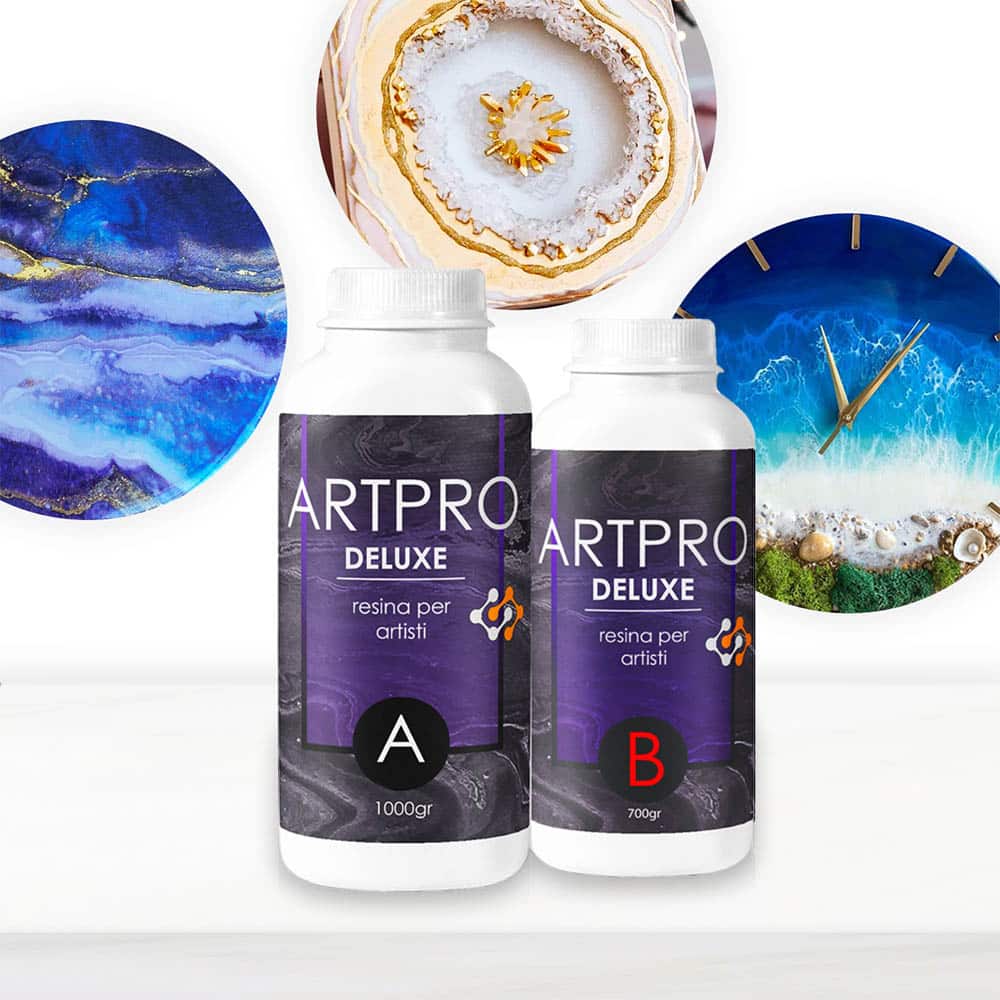 "Art Pro Deluxe" – Ultra-High Viscosity Epoxy Resin for ArtistsPrice range: £35.95 through £302.45"Art Pro Deluxe" ultra-high viscosity epoxy resin is designed for artists to achieve precise line control and crystal-clear finish layers.
 "EpoxyTable 5-Five" – Deep Pour Epoxy Resin for Tables and Large Projects – Up to 5cmPrice range: £17.95 through £1,154.95"EpoxyTable 5-Five" is a deep pour epoxy resin designed for tables and large projects, suitable for use in settings described by the theme.
 “Epoxytable 10-Ten” – Deep Pour Epoxy Resin for Tables, Up to 10cm CastingPrice range: £35.95 through £351.95“Epoxytable 10-Ten” is suitable for deep casting tables up to 10cm, offering a clear, bubble-free finish with UV resistance.
Frequently Asked Questions
What is the best resin type for maximum anchoring strength?
Deep pour epoxy resins are best for structural bar anchoring due to their strength and ability to cure without excessive heat.
Should both bar and hole be dry and clean before applying resin?
Yes, clean and dry surfaces are essential for maximum adhesion and long-term durability of the anchor.
How can I avoid air bubbles in anchoring resin?
Mix resin slowly, pour carefully, and insert the bar with a twisting motion. For visible bubbles, use a heat gun briefly on the surface.
When can I apply load to cured anchor resin?
Wait until the resin reaches full cure as per product instructions, usually 12 to 24 hours, before applying any weight or stress.
Is layering necessary for deep bar anchors?
For pours deeper than the resin's single-layer thickness, pour in layers and allow partial cure between layers for best strength.
Which resin is best for visible anchoring or decoration?
High-clarity, medium- to high-viscosity resins are preferred for visible anchoring where appearance and gloss are important.
Can anchoring resin be used with both timber and masonry?
Yes, anchoring resin is suitable for most substrates, including timber, masonry, and concrete, as long as they're clean and dry.