 Free shipping on orders over £29,85
  Shipping Tracking!


 Google
 Facebook
← Back to How is resin applied to existing floors and what are the costs?
If you’re considering resurfacing or renovating a floor, you’ll likely encounter methacrylic, epoxy, and resin-bound systems. Each offers distinct features and suits particular surfaces and finishes. Here’s what sets them apart when choosing the ideal solution for your project.
Methacrylic: For Sealing and Surface Protection
Methacrylic resin systems are frequently used to seal and protect absorbent substrates—especially concrete. These one-component coatings, such as the Resinstone methacrylic resin, penetrate deep into the surface, helping prevent moisture ingress while still allowing the floor to breathe. They also form a durable barrier against chemicals, oils, and UV rays. Application is usually straightforward, and rapid drying means less downtime. Methacrylic coatings are best chosen where straightforward sealing and weather protection are priorities for driveways, garages, and outdoor paths.
Epoxy: Strength and Versatility
Epoxy resin systems are valued for their high mechanical strength, tough finish, and versatility. They can be tailored as primers, self-levelling layers, or binders for aggregates. Their excellent adhesion means they’re ideal for concrete, tiles, screed, or timber surfaces, whether used as a clear coat or in combination with coloured pigments. Epoxy is most suitable in industrial or domestic settings needing a hard-wearing, easy-to-clean floor. Formulations like the “Trasparente” epoxy binder are also designed for decorative aggregate finishes to ensure clarity and long-term durability.
Resin-Bound: Decorative and Permeable Surfaces
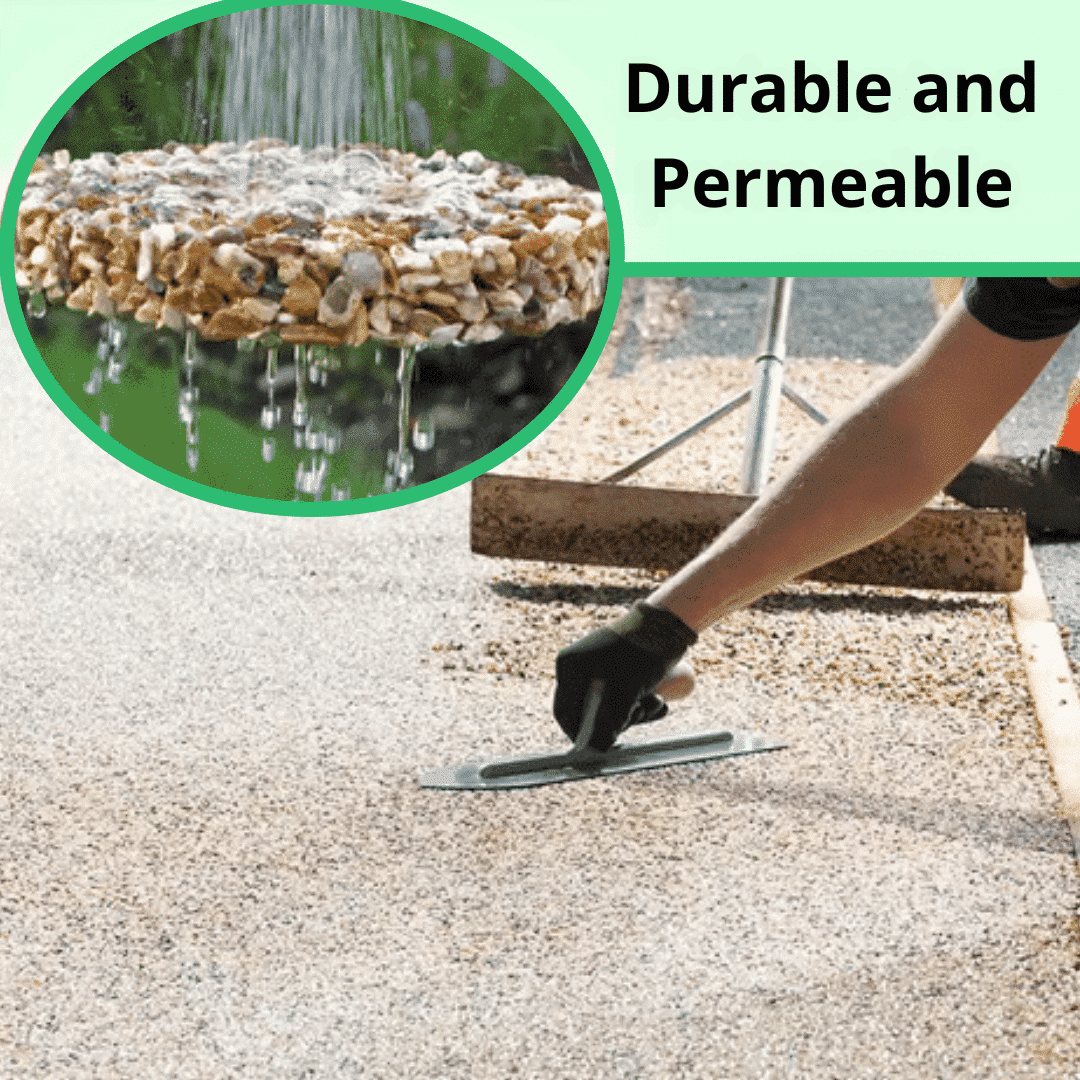
A resin-bound system combines resin (epoxy or polyurethane) with decorative stones, creating a permeable and aesthetically striking surface. Kits such as Flowstone are popular for outdoor spaces—including driveways, footpaths, and patios—because they allow rainwater to drain through, reducing puddles. These surfaces are low-maintenance, come in a range of colours and textures, and are suitable for both domestic and light-traffic environments.
When This Matters
The choice between methacrylic, epoxy, and resin-bound systems becomes especially important when durability, decorative effect, or water drainage are required. For sealing and protecting concrete, a methacrylic resin provides fast, effective results. Where a durable, easy-clean, and versatile coating is needed, epoxy stands out. For decorative and permeable external surfaces, resin-bound kits offer a practical and attractive solution.
Related products
Related guides
Choosing the right resin system ensures your floor meets all requirements, from protection and robustness to style and low maintenance. To learn more about application methods and costs, visit our main guide on how resin is applied to existing floors and typical costs.