 Free shipping on orders over £29,85
  Shipping Tracking!


 Google
 Facebook
How do you engrave resin?
Step-by-step methods for detailed resin engraving at home
Engraving resin opens up a world of creative possibilities, from personalised jewellery and keyrings to bespoke coasters, ornaments, and decorative accents. This guide takes you step-by-step through engraving resin safely and confidently, whether you’re a beginner or developing your craft skills. With the right approach and tools, you can achieve striking, professional results on cured resin pieces.
What You’ll Need
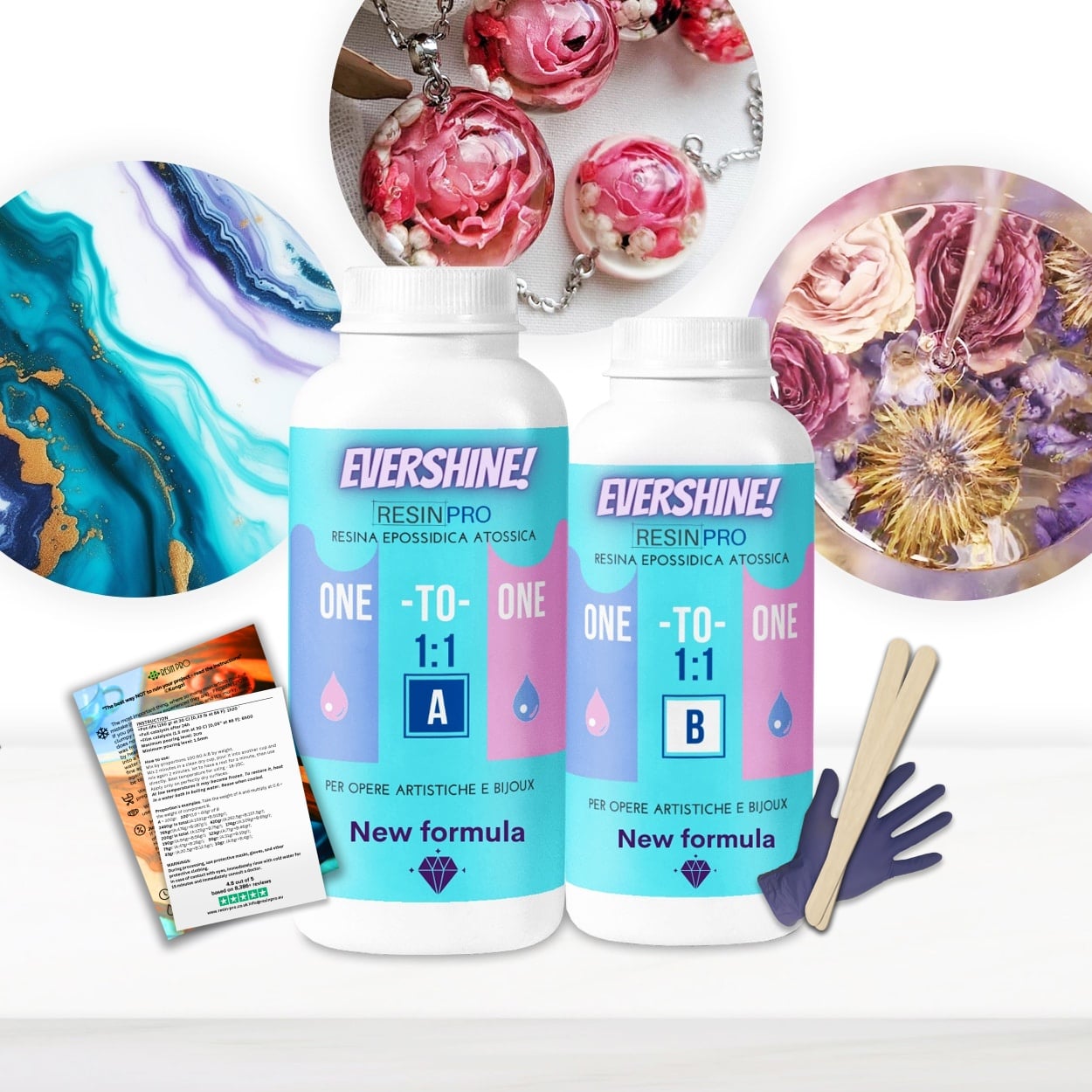
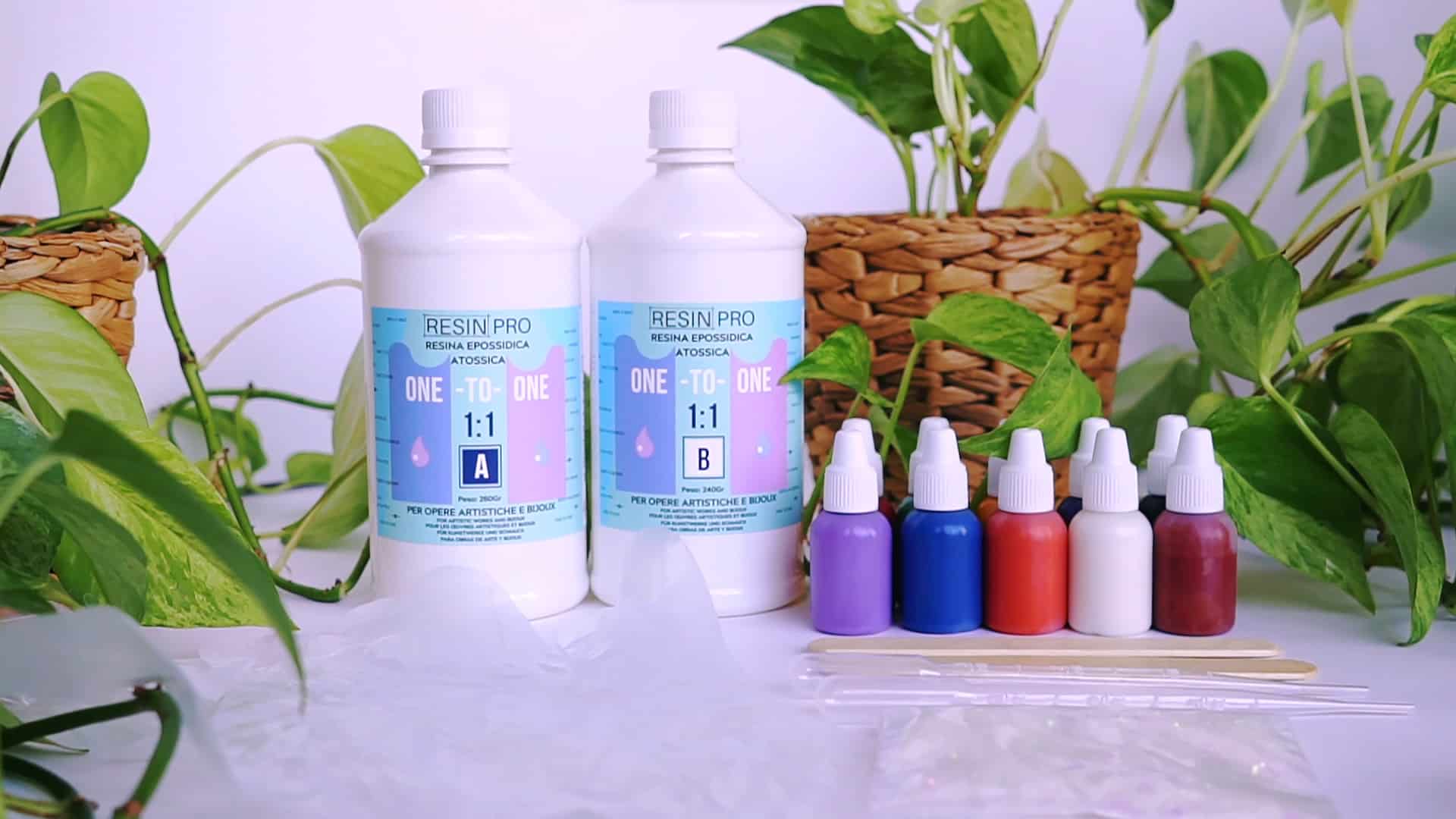
- “One-2-One” – Epoxy Resin for Handcraft, 1:1 Mixing Ratio – Medium viscosity, great for handcrafts and jewellery.
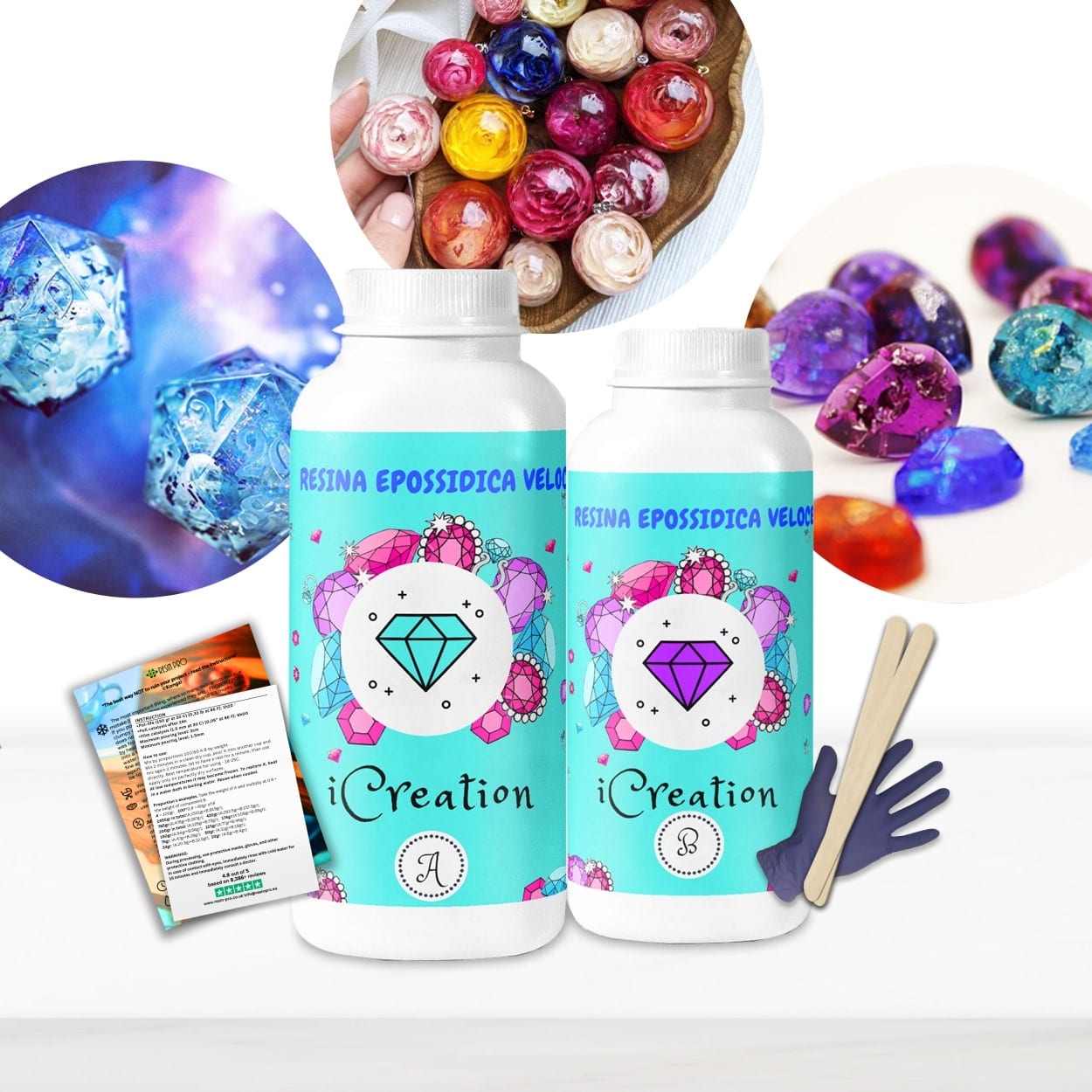
- “ICreation” – Fast Epoxy Resin, 6h Demoulding, Transparent Gloss Finish – For rapid curing and a clear finish.
- “Icrystal” – Clear Epoxy Resin – Odourless Formula – Up to 1.5cm – For coating and craft projects requiring odourless resin.
- “UV–Creation” – Fast Acrylic Resin, 3 Minute UV Cure – Suitable for fast-setting, small engraved pieces like pendants.
- Rotary engraving tool with fine diamond bits or burrs
- Pencil or fine marker
- Protective eyewear and dust mask
- Soft brush or compressed air for dust removal
- Polishing compound (optional, for finishing)
Choosing safe tools and working conditions
Always use a dust mask and eye protection when engraving resin with rotary tools, as fine particles can be harmful if inhaled or make contact with eyes. Good lighting and a tidy workspace will help you avoid slips and achieve detailed results. Focus on proper ventilation to ensure comfort and safety throughout your crafting session.

Step 1: Choose the right resin base
Not all resins engrave equally well. For crisp, clean results, choose a resin that cures to a hard, clear finish without excessive softness or brittleness. Jewellery-grade epoxies and UV-curing acrylic resins tend to produce the best outcomes. Ensure your resin piece is fully cured according to manufacturer instructions before attempting to engrave. If time is a factor, “ICreation” – Fast Epoxy Resin, 6h Demoulding, Transparent Gloss Finish is ideal for rapid projects. For odour-free indoor crafting, “Icrystal” – Clear Epoxy Resin – Odourless Formula – Up to 1.5cm offers excellent workability.
Step 2: Prepare your workspace and resin surface
Set up in a well-ventilated area with good lighting. Safety is paramount – always wear a dust mask and eye protection when working with rotary tools and resin dust. Secure your resin piece firmly, either on a non-slip mat or gently in a vice with padding to avoid marking the surface. Clean the resin surface to remove fingerprints, oils, or dust before engraving to avoid imperfections in the final work.
Step 3: Plan and mark your design
Lightly sketch or transfer your desired pattern onto the cured resin using a pencil or fine marker. If you make a mistake, gently wipe away with a damp cloth and let completely dry. Keeping lines soft and minimal will help prevent distractions or permanent marks. Templates or stencils can be helpful for achieving symmetry, especially on smaller pieces like pendants or cabochons.
Step 4: Engrave with precision and care
Fit your rotary tool with a fine diamond bit or burr suited to detailed work. Hold your tool like a pen for maximum control, and always run the tool at moderate speed – too fast can melt resin, while too slow may cause chipping. Use gentle, steady pressure and trace your design, letting the tool do the work. Take regular breaks to brush away dust and check your progress. For ultra-fine lines or depth variation, swap out bits as needed and practice your grip on a test piece first. For speedy, small-format engraving—such as on jewellery—UV-set resins like “UV–Creation” – Fast Acrylic Resin, 3 Minute UV Cure allow almost instant project turnaround.
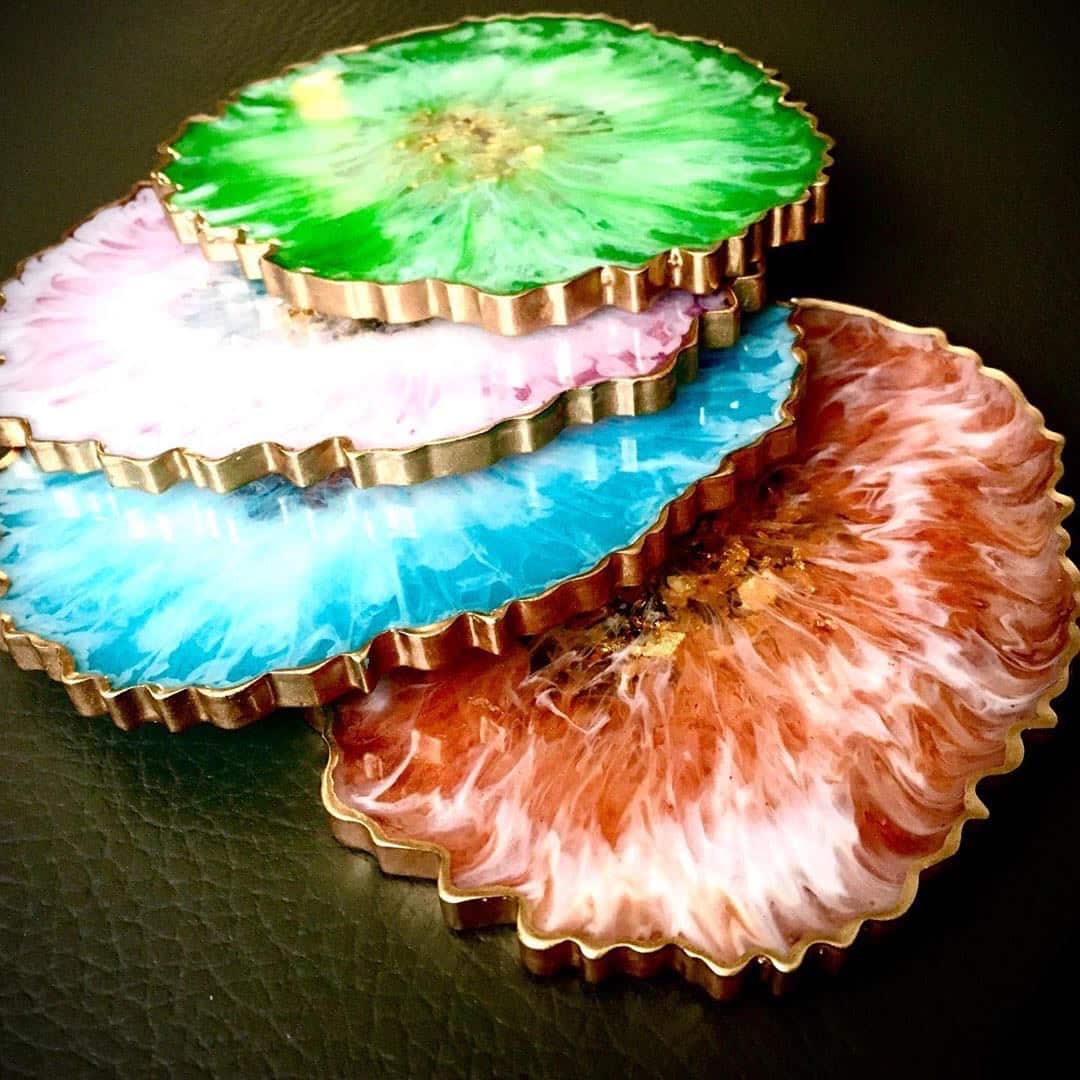
Step 5: Finishing touches and cleaning up
Once engraving is complete, use a soft brush or compressed air to remove any residual dust. For heightened contrast, you can fill engraved lines with paint or pigment, then wipe away excess. If the surface has become slightly dulled during engraving, optionally buff gently with a plastic polish or fine polishing compound to restore gloss and clarity. Handle pieces by the edges to avoid fingerprints on the finished work.
Tips, Common Mistakes, and Troubleshooting
Patience and light pressure yield the cleanest engravings—rushing can cause tool slips or melting. Avoid deep cuts on thin, delicate resin pieces, as this may lead to cracks or fractures. Always wait for a full cure, as engraving soft or tacky resin risks damage and tool clogging. If lines appear cloudy, polish gently or clean dust residue from the grooves. Testing your design on scrap resin before working on the final piece can help refine your skills.
Surface finishing for crisp engravings
Polishing and cleaning after engraving make all the difference for clarity. Thoroughly remove all dust with a soft brush or compressed air, then consider a fine plastic polish to restore a clear, glasslike surface. A well-polished resin piece will dramatically enhance the visibility and impact of your engraved design.
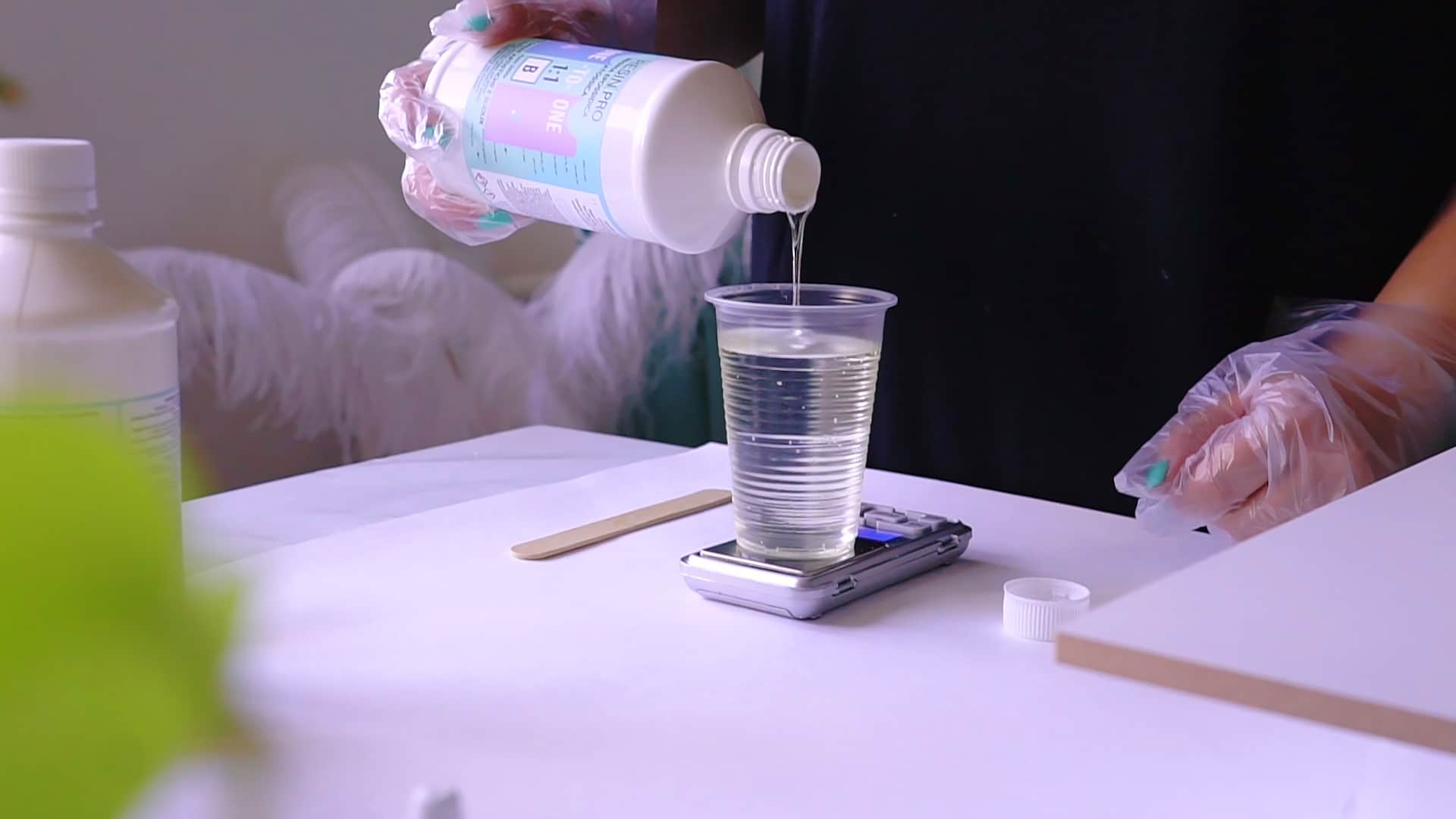
- "One-2-One" – Epoxy Resin for Handcraft, 1:1 Mixing RatioPrice range: £15.95 through £59.95"One-2-One" epoxy resin is a medium viscosity resin for beginners and experienced crafters, designed with a simple 1:1 mixing ratio.
- "ICreation" – Fast Epoxy Resin, 6h Demoulding, Transparent Gloss FinishPrice range: £15.95 through £55.95"ICreation" fast epoxy resin offers a clear, glossy finish with quick curing for jewellery and decorative crafts.
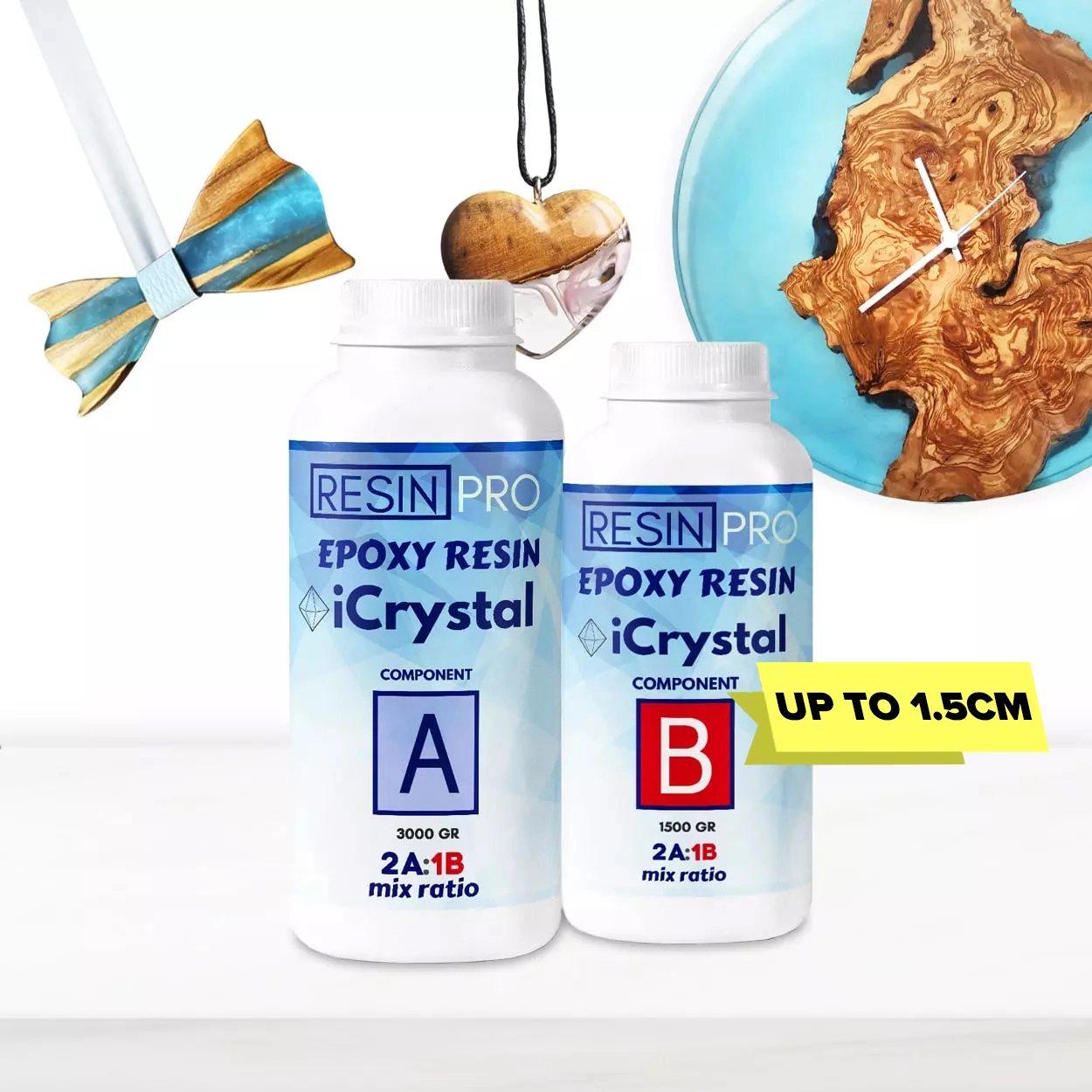 "Icrystal" – Clear Epoxy Resin – Odourless Formula – Up to 1.5cmPrice range: £12.45 through £341.45"Icrystal" clear epoxy resin offers good transparency and easy use, suitable for creative and craft projects including table coatings.
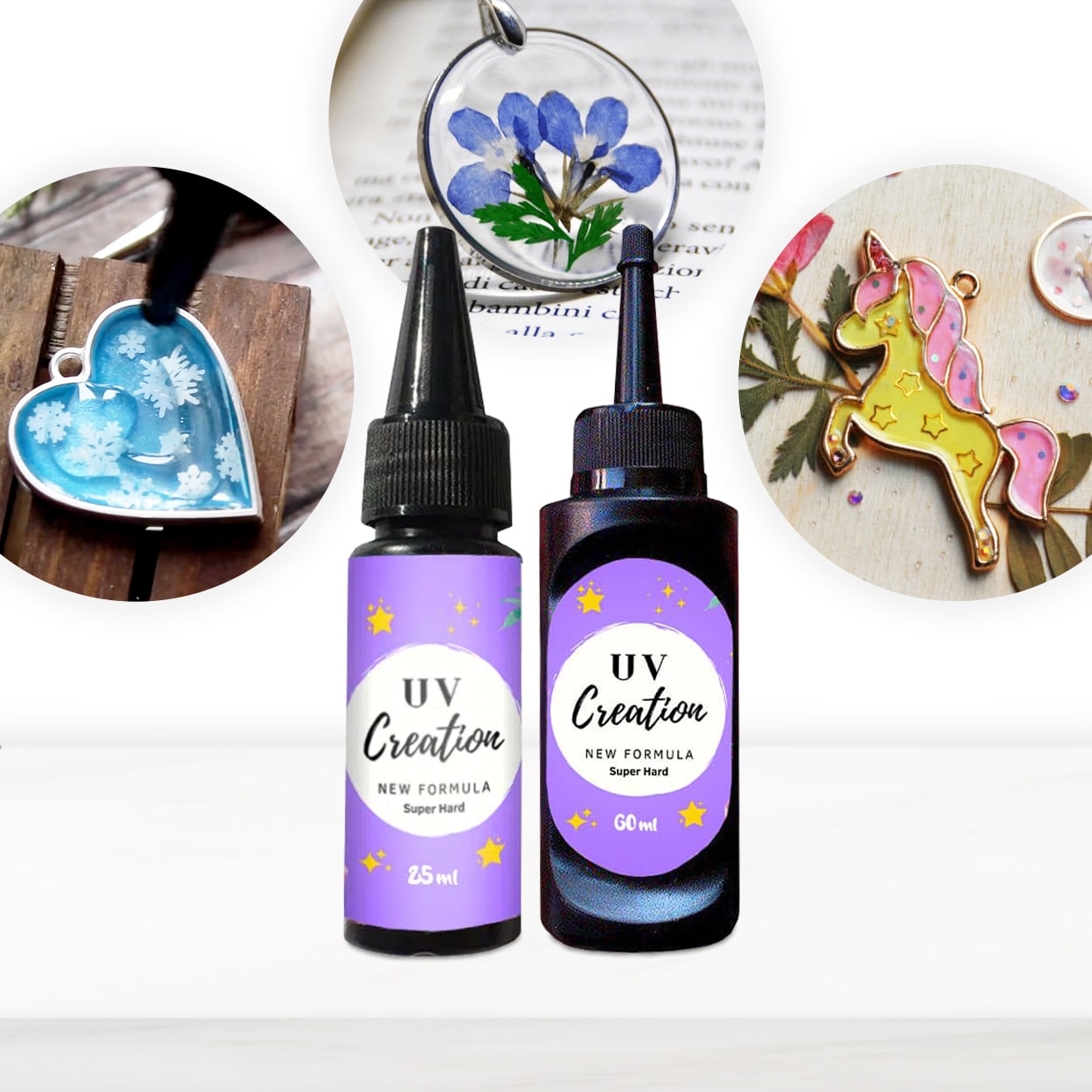 "UV–Creation" – Fast Acrylic Resin, 3 Minute UV CurePrice range: £8.45 through £62.95"UV–Creation" Fast Acrylic Resin cures quickly under UV light to provide a clear, non-yellowing glossy finish suitable for jewellery making.
Frequently Asked Questions
Can any type of resin be engraved?
Most cured resins can be engraved, but hard, clear jewellery-grade epoxies and acrylics deliver the best results for detail and clarity.
Do I need special tools to engrave resin?
A rotary tool fitted with fine diamond tips or burrs is ideal for engraving resin. Basic models are suitable for most craft projects.
How do I prevent resin from cracking during engraving?
Engrave only after the resin is fully cured, and use light, steady pressure to avoid stressing the material and causing cracks.
Can I fill engraving lines in resin with paint or pigment?
Yes, you can fill engraved lines with paint or pigment to enhance visibility, then wipe any excess from the resin surface.
Is it safe to engrave resin at home?
Yes, provided you use protective eyewear, a dust mask, and proper ventilation for safe handling of resin dust.
Which resin works best for engraving jewellery?
Crystal-clear, jewellery-grade epoxies like "One-2-One" or fast-setting UV resins are both excellent choices for crisp jewellery engraving.
Is resin engraving suitable for beginners?
With simple tools and a patient approach, beginners can achieve striking results on resin with a little practice.