 Free shipping on orders over £29,85
  Shipping Tracking!


 Google
 Facebook
How do you remove resin from car bodywork?
Safe and simple methods for restoring automotive finishes


Unsightly resin marks on car bodywork are a frustrating find for any car owner. Whether it’s from tree sap, spilled craft resin, or workshop mishaps, careful removal is essential to protect your vehicle’s paintwork. This guide walks you through the safest, most effective process to remove resin residues, restore a smooth finish, and avoid common mistakes that may cause further damage. Follow these professional steps to keep your car looking its best.
What You’ll Need
- Strong Technical Degreaser for Resin Projects – 100% Natural Formula: A plant-based, gentle degreaser suitable for various surfaces, including car panels.
- Pure Isopropyl Alcohol 99.9% – 1000ml Bottle for Epoxy Resin Projects & DIY: High-purity solvent for spot cleaning and residue removal.
- Soft microfibre cloths and clean water
- Protective gloves (optional, especially for sensitive skin)
- Mild car shampoo (for basic cleaning)
- Polishing pads or sponge (for finishing touches)
- “Epoxy Polish” – Epoxy Resin Polishing System: For restoring gloss if minor surface marks remain.
- “Carbon Polish” – Polishing System for Dark and Black Surfaces, 250ml: Recommended for black or carbon-style panels to avoid white marks.

Close-Up Demo: Resin Removal in Action
See how resin is safely lifted from car paintwork using a soft cloth and a natural degreaser. The gentle, circular dabbing motion helps loosen and remove residue without harming the finish.
Step 1: Initial Cleaning and Preparation
Start by washing the affected area with mild car shampoo and clean water to remove surface dirt and loose debris. Use a soft microfibre cloth to gently wipe the bodywork, taking care not to rub any abrasive particles into the finish. Dry the area completely before proceeding — this provides a clear view of the resin spots and prevents accidental scratches during the next steps.
Always test products on an inconspicuous spot before full application to ensure compatibility with your specific paint finish. Avoid direct sunlight during the process for best results.

Step 2: Soften and Remove Resin Safely
Treat fresh or stubborn resin deposits directly. Apply a small amount of Strong Technical Degreaser for Resin Projects – 100% Natural Formula to a clean, soft cloth, then gently dab the resin marks. Let it sit for a few minutes to soften the residue. Carefully wipe or lift away the resin using gentle, circular motions. Ensure you don’t rub too hard, as excessive pressure may dull or damage paint.
If any sticky residue remains, lightly moisten a new part of the cloth with Pure Isopropyl Alcohol 99.9% and repeat the process. The alcohol dissolves resin residues without harming modern automotive coatings when used sparingly and promptly wiped away.
Work gently to avoid paint damage and do not allow cleaning solutions to dry on the surface.
Step 3: Restore Gloss and Final Finish
Once the resin has been removed and the area cleaned, inspect the surface. If light scratches or a dull patch remain, use an appropriate polishing product. For standard finishes, apply “Epoxy Polish” – Epoxy Resin Polishing System with a soft pad. For black or carbon-look panels, select “Carbon Polish” – Polishing System for Dark and Black Surfaces, 250ml to prevent white residue marks.
Follow the instructions on the chosen polish, working in small, even circles until the area regains its shine. Buff away any excess product carefully.
Buff in gentle, even motions and avoid aggressive compounding unless absolutely required.
Tips and Common Mistakes When Removing Resin from Cars
Patience is key. For thick or old resin spots, repeating the softening step may be safer than heavy scrubbing. Never use harsh abrasives, razor blades, or caustic chemicals, as these can permanently damage your car’s paintwork. Always work in the shade and rinse away any cleaning residues thoroughly once finished.
Let surfaces dry completely before inspecting results so you can spot any areas that may need further attention. Take your time — careful cleaning preserves your car’s value and appearance.

Polishing for a Mirror Finish
Observe the difference after careful polishing: faint marks and dulled patches are restored to a flawless shine using products designed for automotive resin care.

- Strong Technical Degreaser for Resin Projects – 100% Natural FormulaOriginal price was: £10.95.£9.45Current price is: £9.45.Strong Technical Degreaser is a natural, gentle cleaner suitable for removing residues in resin projects and related surfaces.
- Pure Isopropyl Alcohol 99.9% – 1000ml Bottle for Epoxy Resin Projects & DIYPrice range: £10.45 through £20.95Pure Isopropyl Alcohol 99.9% supports epoxy resin projects and cleaning, suitable for resin crafting under the theme of removing resin from car…
- "Epoxy Polish" – Epoxy Resin Polishing SystemPrice range: £18.95 through £47.45"Epoxy Polish" is an epoxy resin polishing system designed for achieving a mirror-like finish on resin and similar surfaces.
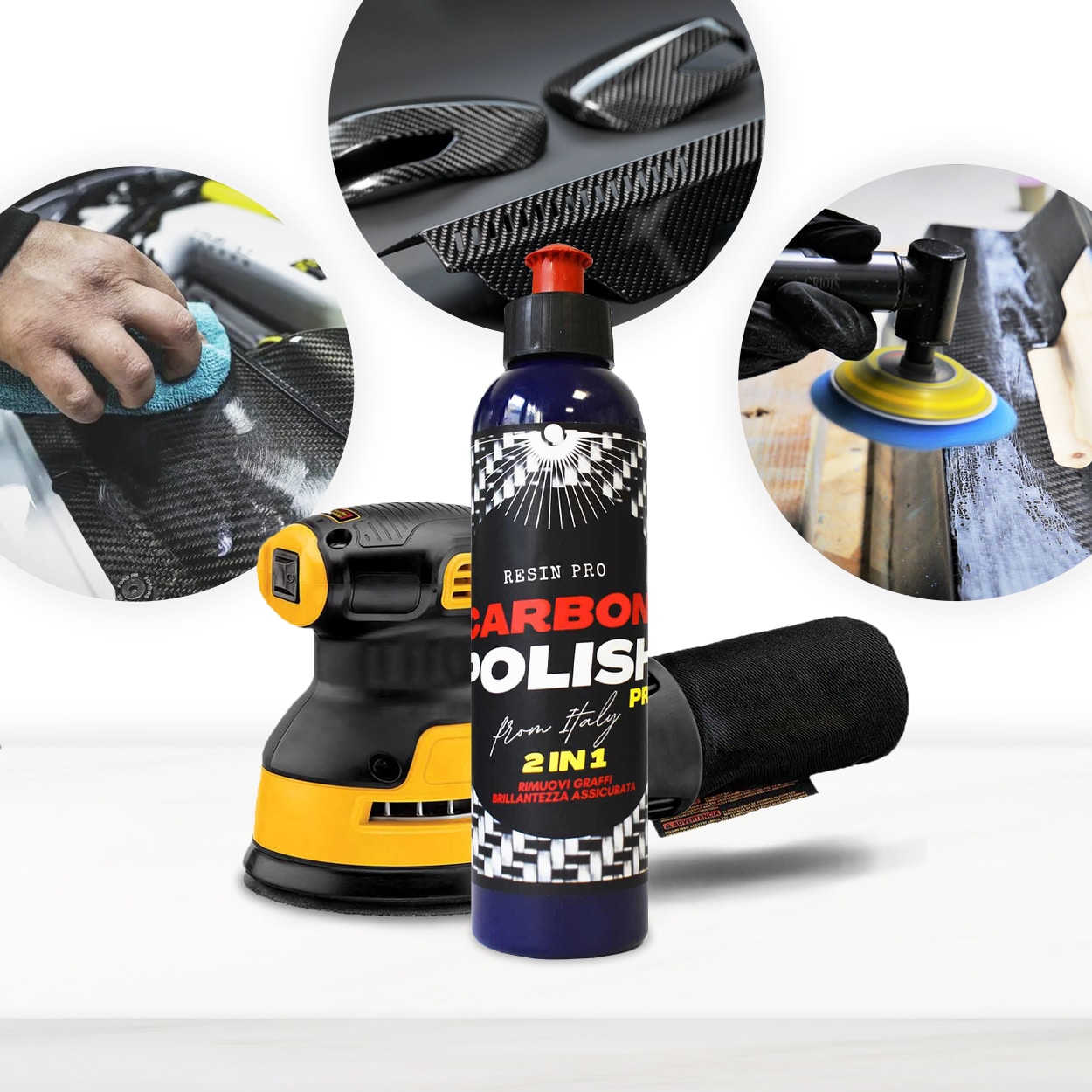 "Carbon Polish" – Polishing System for Dark and Black Surfaces, 250mlPrice range: £18.95 through £47.45Carbon Polish is designed for polishing dark and black surfaces, suitable for epoxy resin projects and careful finishing.
Frequently Asked Questions
How do I safely remove resin without damaging car paint?
Use a gentle degreaser and work carefully with a microfibre cloth, avoiding excessive pressure or harsh abrasives.
Will isopropyl alcohol harm my car’s paintwork?
When used sparingly and promptly wiped off, isopropyl alcohol typically will not harm modern automotive finishes.
Why should I use a plant-based degreaser instead of standard car cleaners?
Natural degreasers are solvent-free and gentle, minimising risk to sensitive finishes while effectively removing resin residues.
How can I avoid white marks when polishing black cars or carbon surfaces?
Use special polishes made for dark or carbon finishes, which are formulated to leave no light residue on black paintwork.
What’s the best way to remove old or set resin from car bodywork?
Repeated gentle softening with degreaser and careful use of isopropyl alcohol; avoid scraping or abrasive pads.
Do I need to polish the area after removing resin?
Polishing may help restore gloss if the surface appears dulled or shows fine scratches after cleaning.
Can home remedies like vinegar or baking soda be used for removing resin?
It’s safer to use approved cleaning agents, as these home substances can damage paint or leave stubborn marks.