 Free shipping on orders over £29,85
  Shipping Tracking!


 Google
 Facebook
← Back to How do you repair resin marble?
Sanding is a crucial step in repairing resin marble, but applying the right amount of pressure makes all the difference. Excessive force can create new scratches instead of removing old ones.
Why Moderate Pressure Is Key
When sanding resin marble, using too much pressure can drive abrasive particles deep into the surface, causing scratches that are difficult to polish out. Moderate, steady pressure allows the abrasives to work efficiently without gouging the material. This technique ensures a smoother, more professional repair result.
Practical Sanding and Repair Tips
- Always start with a finer grit if you’re unsure—coarse grit can leave deeper marks.
- Work in slow, circular motions and change sanding pads frequently to avoid build-up.
- Use minimal to moderate downward force; let the sander or sanding block do the work.
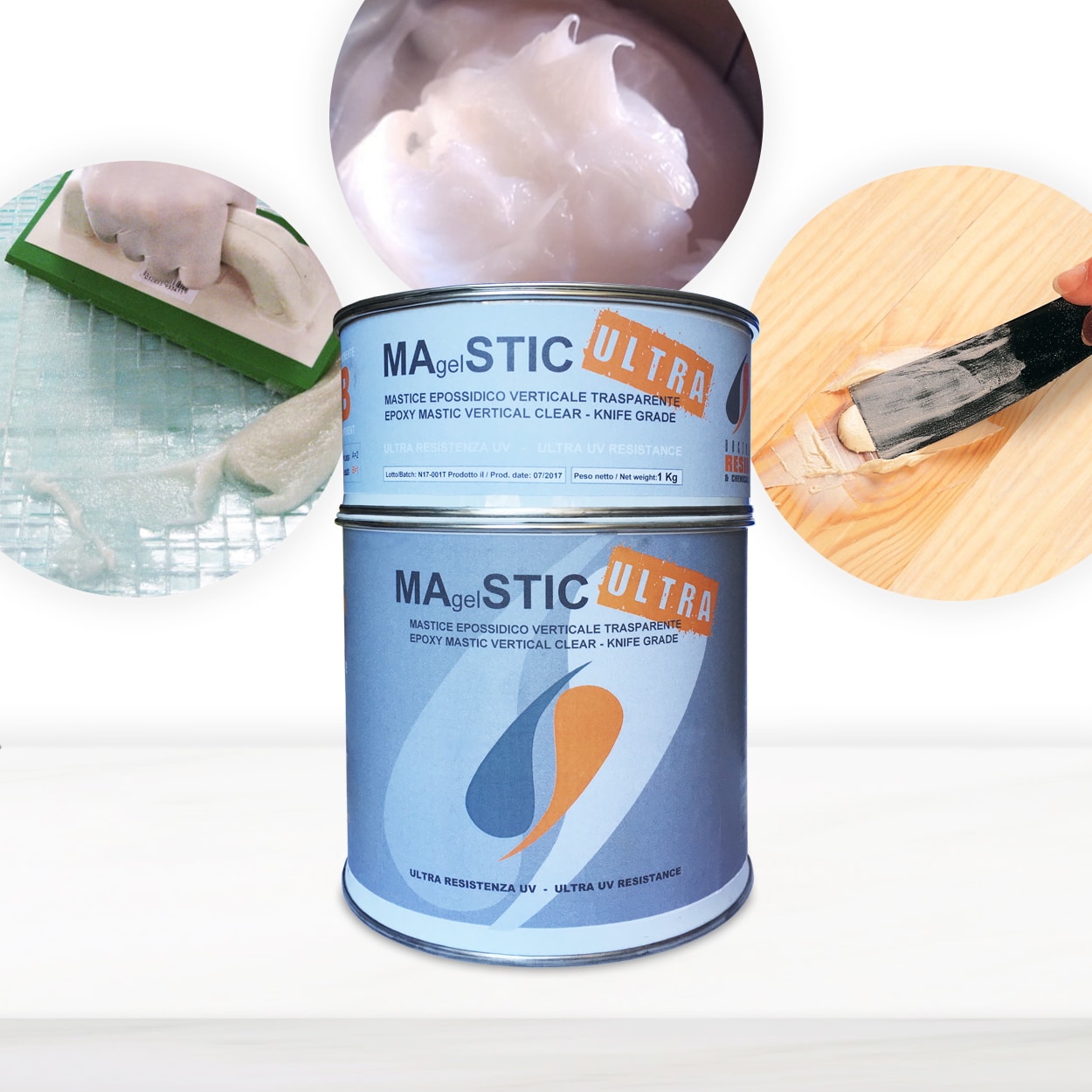
- For filling chips or cracks beforehand, Magelstick Epoxy Mastic is ideal for stone repairs—ensure it’s level before sanding.
Finishing for a Flawless Look
After initial sanding, use progressively finer sandpaper to refine the finish. To restore gloss, apply a resin polish such as the Epoxy Polish system with a rotary polisher or a hand pad holder. This final step removes micro-scratches and achieves a lasting shine.
When This Matters Most
Using moderate pressure is particularly important when repairing visible worktop surfaces or high-gloss decorative features, where surface scratches are most noticeable.
Related products
Related guides
Mastering careful sanding will keep your resin marble looking pristine. For more in-depth guidance on effective repair methods, explore our main guide on how to repair resin marble.