 Free shipping on orders over £29,85
  Shipping Tracking!


 Google
 Facebook
How do you repair resin marble?
Step-by-step guide for flawless resin marble restoration
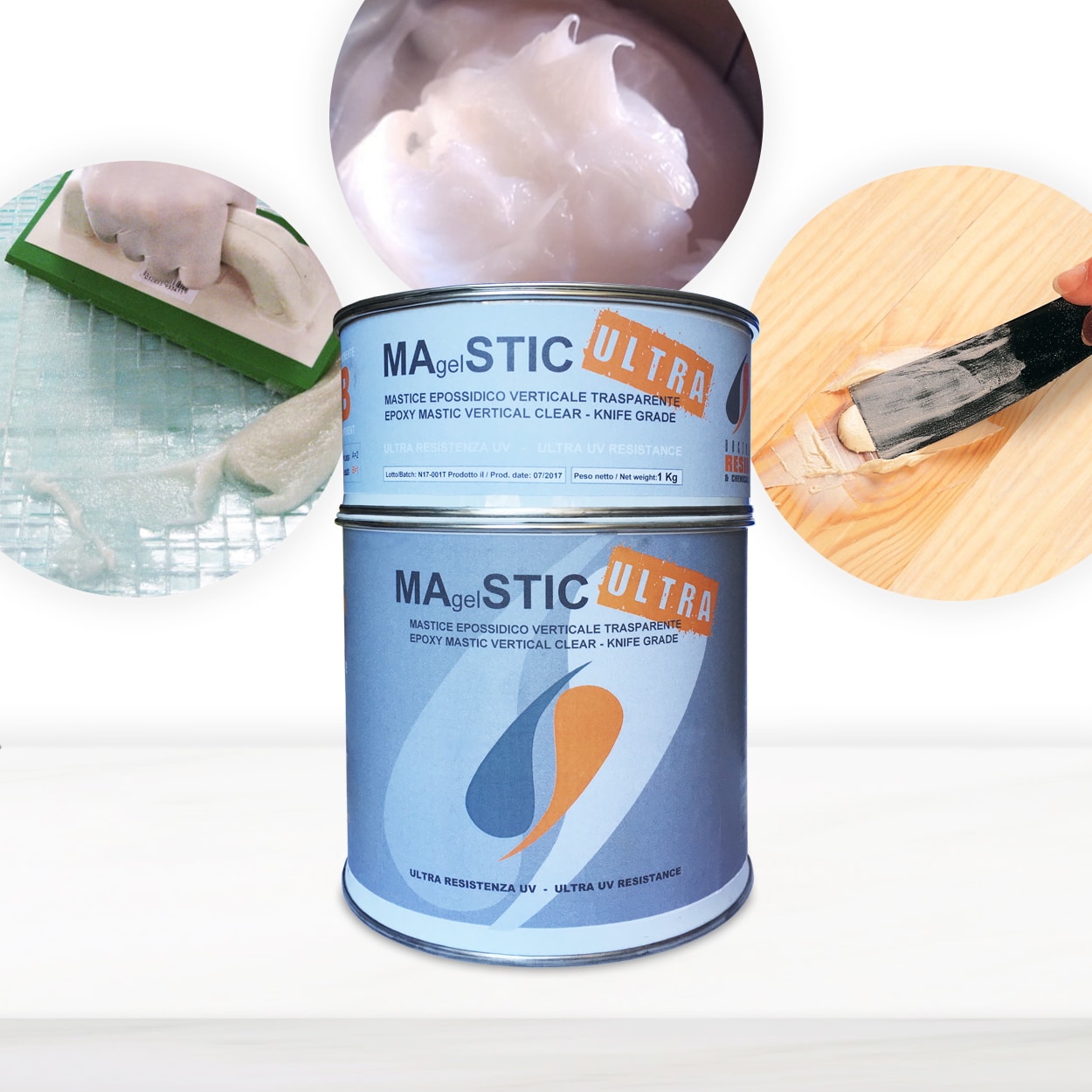
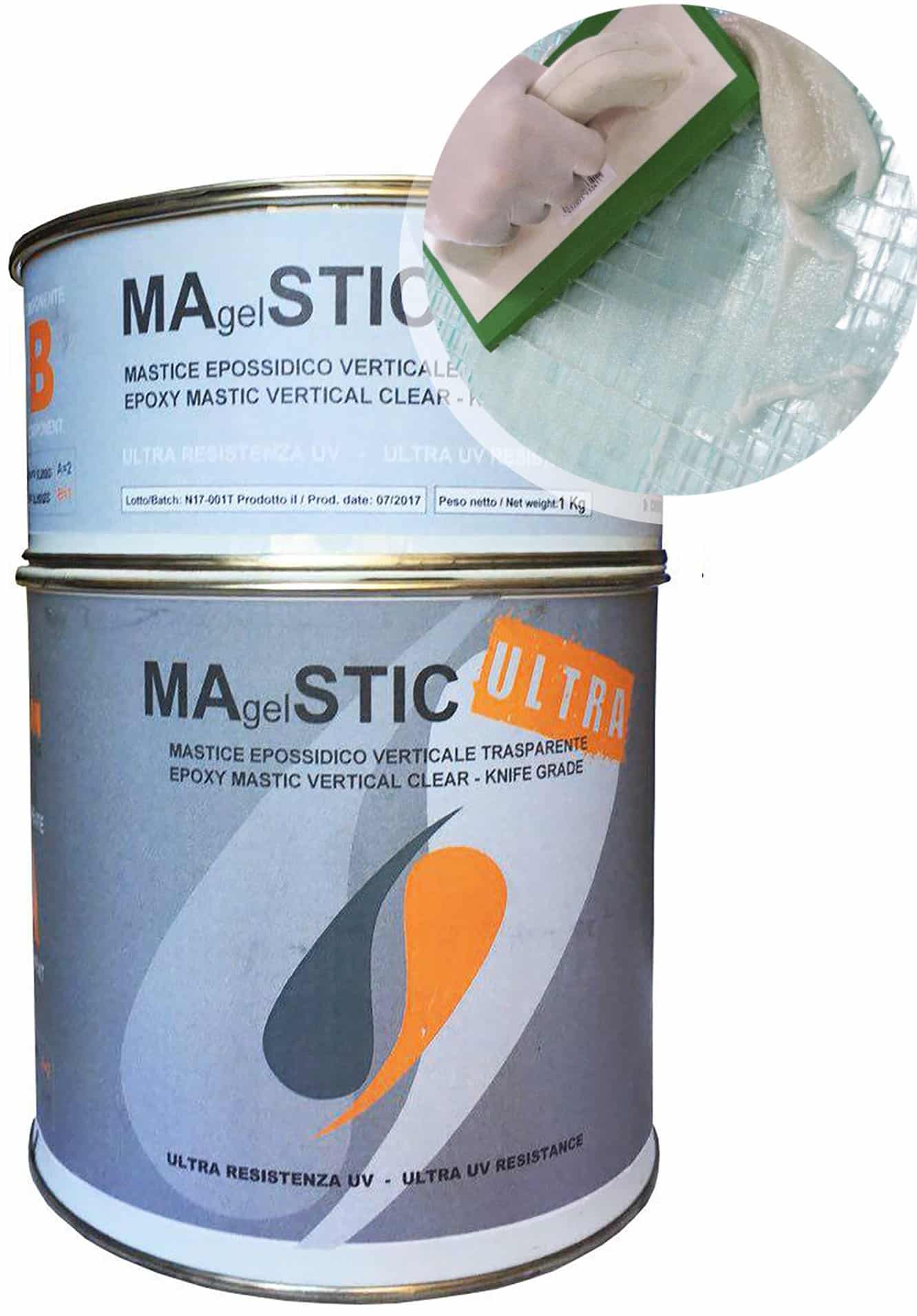
If your resin marble surface is chipped, cracked, or losing its lustre, you can restore its beauty and durability with the right techniques. This step-by-step guide will show you how to repair resin marble, from surface prep to finishing, making it ideal for DIYers and professionals seeking a seamless result on countertops, vanities, or decorative panels.
What You’ll Need
- “Magelstick” – Epoxy Mastic for Stone, Metal, and Cement Bonding and Grouting – for filling chips, cracks, and restoration bonding
- “FixExpress” – Two-Component Epoxy Glue 500g – for rapid, strong repairs on small faults
- “Epoxy Polish” – Epoxy Resin Polishing System – to achieve a final mirror-like, scratch-free finish
- Masking tape for protecting surrounding areas
- Lint-free cloths and isopropyl alcohol for cleaning
- Fine sandpaper (800–2000 grit) or a sanding block
- Protective gloves and eyewear
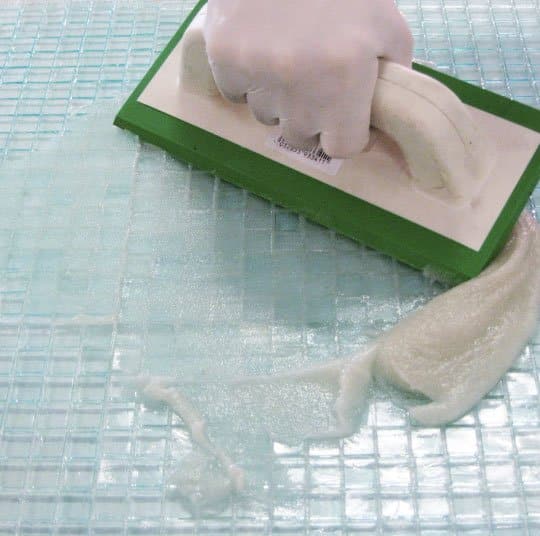
Visual Guide: Repair Tools and Materials
See the difference with specialised repair kits – from precision epoxy mastic to high-gloss polish, each step employs a tool designed for flawless finish and long-term durability.
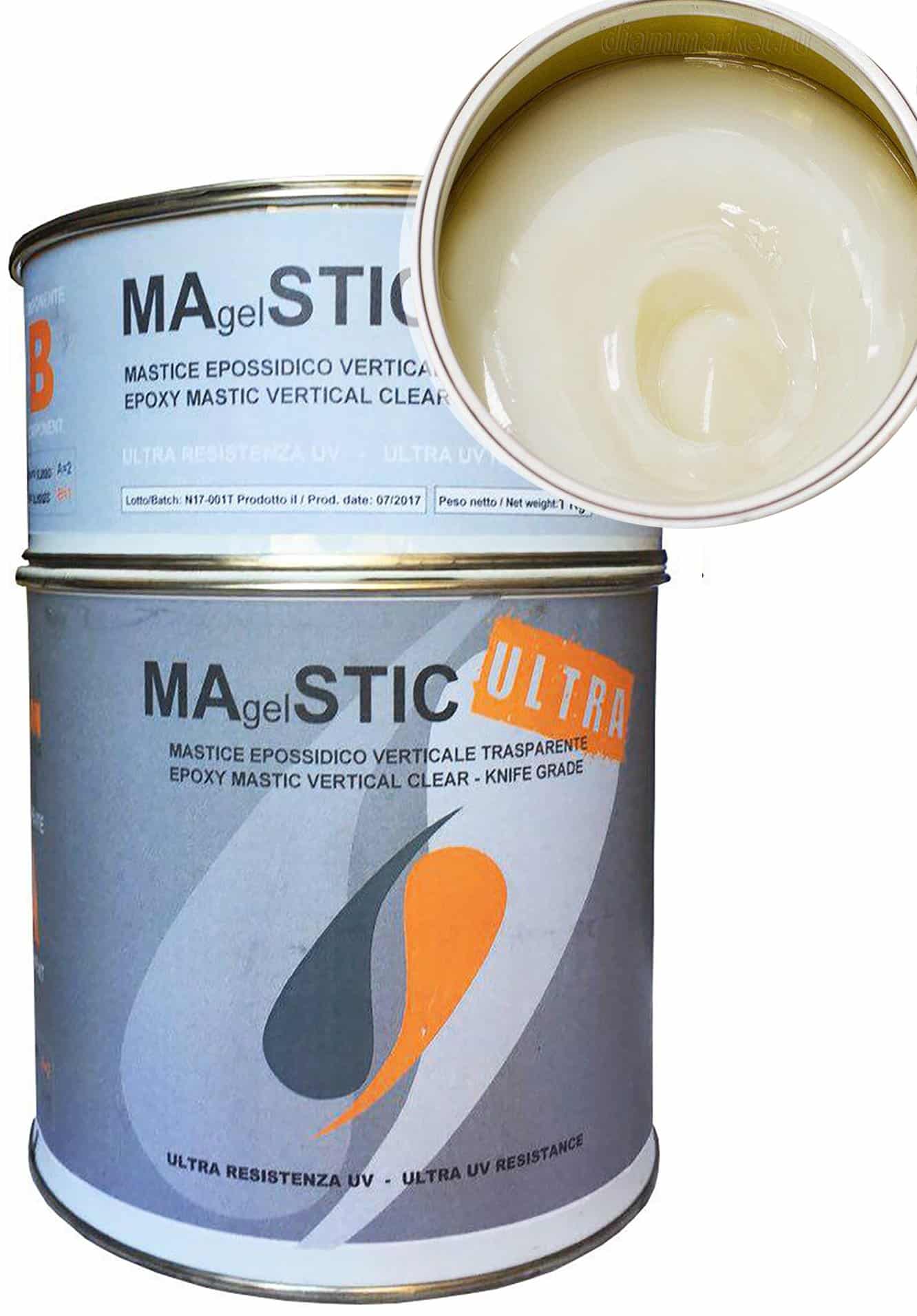
Step 1: Prepare the Surface Thoroughly
Thorough surface cleaning ensures optimal adhesion. Begin by clearing the area of dust, grease, or wax using a lint-free cloth dampened with isopropyl alcohol. Protect undamaged surroundings using masking tape, which prevents accidental spills or scratches. Allow the resin marble to dry fully before proceeding. Any trapped moisture may affect the bond and lead to subpar results.
Step 2: Assess and Fill Cracks, Chips, or Voids
Evaluate the extent of any surface damage. For chips and cracks, select a suitable filler or adhesive. Select repairs, fillers, and adhesives designed for stone, as ordinary glues may not bond well or remain durable.
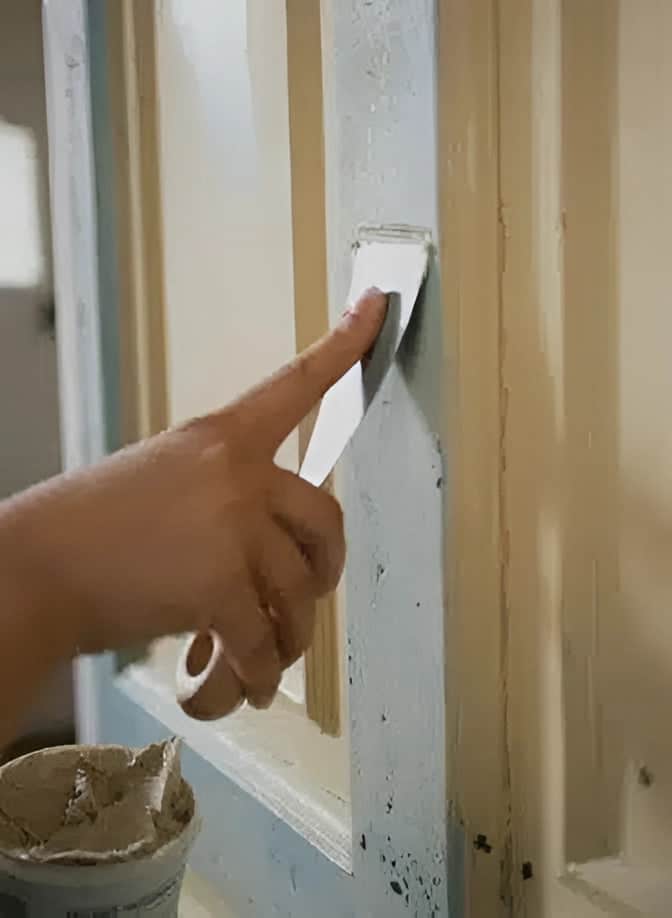
For structural repairs or deeper chips in resin marble, “Magelstick” – Epoxy Mastic for Stone, Metal, and Cement Bonding and Grouting offers excellent gap-filling and vertical hold without sagging. Mix accurately per instructions, then use a spatula to press the mastic into gaps. Wipe away excess while still pliable for a flush surface. For very fine cracks or urgent spot repairs, the “FixExpress” – Two-Component Epoxy Glue 500g delivers rapid and strong adhesion. Apply sparingly with a precise tip and align the break as closely as possible.
Let all repairs cure fully according to product instructions before handling the area further. Curing times vary by product and temperature.
Step 3: Sand and Level the Surface
Once the repair compound is fully set, gently sand the entire repaired area to flush it with the surrounding marble. Always begin with the finest grit needed to remove excess and gradually work up to a higher grit (for example, from 800 up to 2000 grit) for a smooth finish. Sand in consistent, even strokes over the repair and feather into the adjacent area for seamless blending. Use moderate pressure when sanding to avoid new scratches or low spots.
Periodically wipe away dust and inspect the surface to ensure you are not over-sanding. The aim is to achieve a perfectly flat transition between the repaired section and the existing marble.
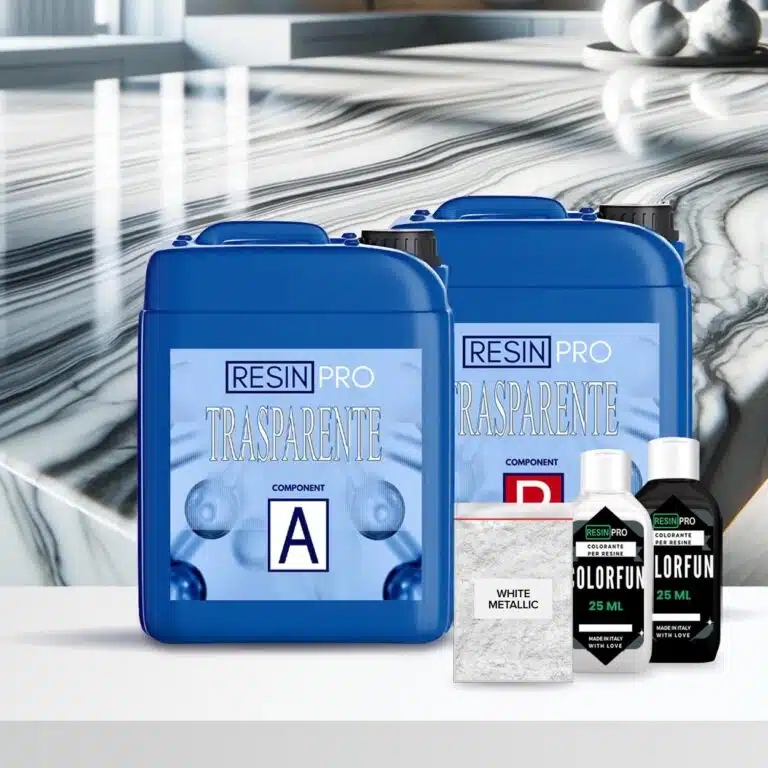
Step 4: Polish for a Glossy, Seamless Finish
The last crucial stage is restoring the original shine. Polish methodically for a consistent, glossy finish. Apply a small amount of “Epoxy Polish” – Epoxy Resin Polishing System to the sanded area. Work in circular motions with a soft pad, hand holder, or rotary polisher if available, following the product instructions. This step will remove micro-scratches and restore a mirrored gloss typical of resin marble.
Check the result under bright light. Repeat polishing if necessary, and wipe away residues with a clean, dry cloth. The surface should now be smooth, shiny, and visually unified, with repaired sections virtually indistinguishable from the original material.
Tips and Troubleshooting for Successful Resin Marble Repair
- Always follow the mix ratios and instructions for each repair or finishing product to ensure lasting results.
- Work in a dust-free, well-ventilated environment. Dust or dampness can mar the final finish.
- If the repair seems slightly raised after curing, sand cautiously. Reapply mastic if too low, then re-sand and polish.
- For extensive colour-matching, experiment with pigments on a test piece first before applying to the surface.
- For high-gloss results, ensure your sanding and polishing pads are clean and suited for resin use to minimise swirl marks.
Finishing Touches: Before and After Results
Your efforts will restore the resin marble’s beauty. Well-executed repairs blend into the original surface, returning lustre and resilience for years of everyday use.
- "Magelstick" – Epoxy Mastic for Stone, Metal, and Cement Bonding and Grouting"Magelstick" epoxy mastic is designed for bonding and grouting stone, metal, and cement surfaces with a focus on repair and restoration.
- "Stone Effect Collection" – Marble Epoxy Resin Countertop KitPrice range: £57.95 through £272.95"Stone Effect Collection" is a marble epoxy resin countertop kit suitable for kitchens and bathrooms offering professional stone effects with a…
 "FixExpress" – Two-Component Epoxy Glue 500g£26.95"FixExpress" offers rapid, durable repairs suitable for diverse materials, supporting quick adhesion with customisable finishes.
 "Epoxy Polish" – Epoxy Resin Polishing SystemPrice range: £18.95 through £47.45"Epoxy Polish" provides a polishing system suitable for resin projects, supporting a methodical finish consistent with the theme of repairing resin…
Frequently Asked Questions
What is the best epoxy for repairing resin marble?
For structural repairs, use epoxy mastics or glues formulated for stone, such as Magelstick epoxy mastic.
How can I restore the gloss on a repaired resin marble area?
Use an epoxy resin polishing system and fine sanding to achieve a mirror-like finish after repairs.
What safety precautions should I take when repairing resin marble?
Wear gloves and eye protection, work in a ventilated area, and strictly follow product instructions.
How long should I wait before sanding a repaired area?
Always allow epoxy repairs to cure fully per the product’s instructions before sanding or polishing.
How can I achieve a perfect colour match with resin marble repairs?
Experiment with compatible pigments on a test piece before applying to your project for best colour results.
Is the epoxy polish suitable for materials besides resin marble?
The polish works well on resin, carbon fibre, and some plastics but is not intended for natural stone or metal.