 Free shipping on orders over £29,85
  Shipping Tracking!


 Google
 Facebook
← Back to How do you fiberglass a boat?
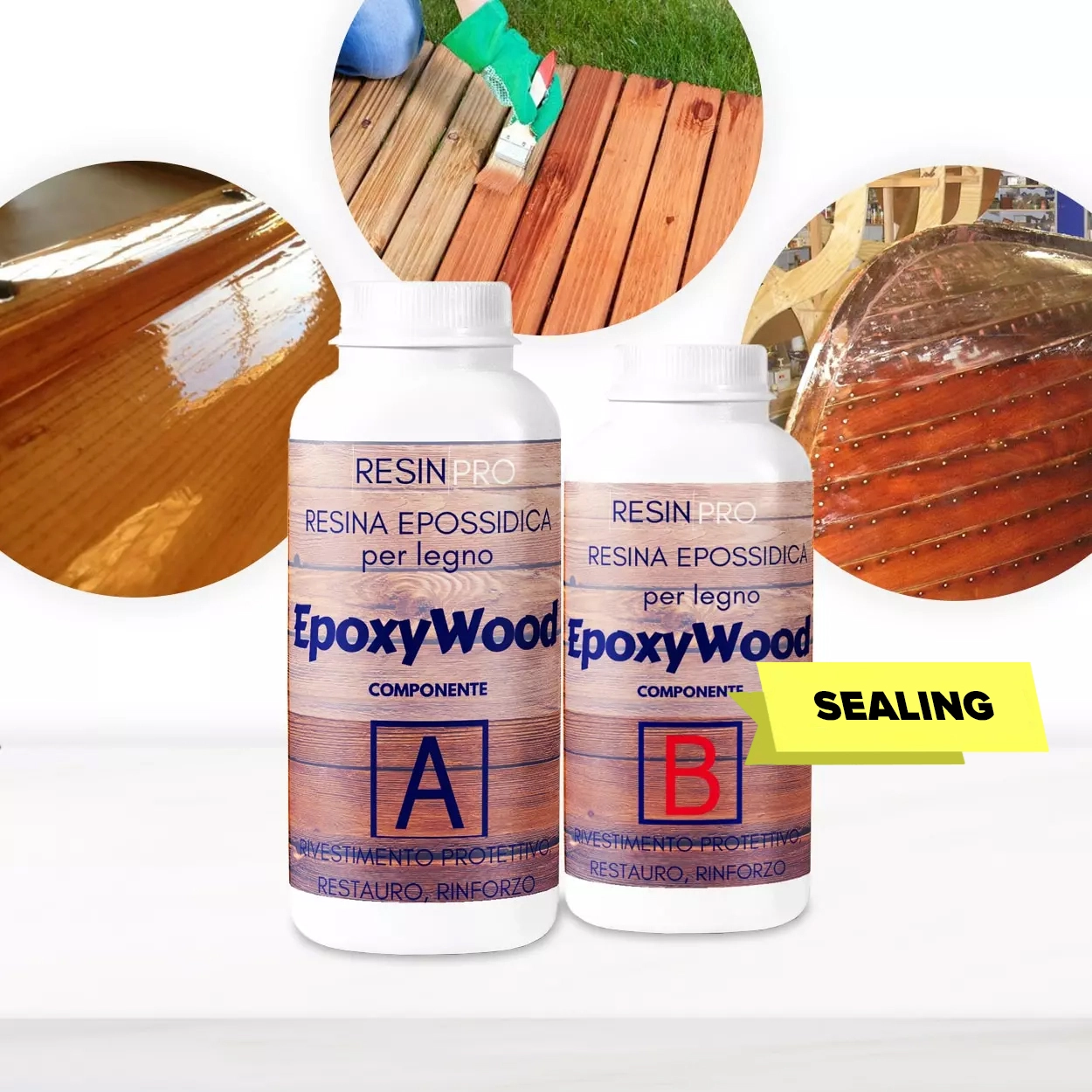
Proper preparation of wooden surfaces is one of the most important steps for successful fibreglass and resin repairs, especially on boats. Dryness and smoothness make all the difference in how well the resin bonds and how long the repair lasts.
The Importance of Full Dryness
Wood that contains moisture can cause resin to cure poorly, leading to bubbling, loss of bond strength, or even mould growth. Always allow timber to dry thoroughly—ideally in a well-ventilated, dry space—for at least several days before beginning resin application. Testing with a moisture meter can help ensure the wood is ready, or use the “tape test”: tape a square of plastic to the surface overnight and check for condensation underneath.
Sanding – Creating the Perfect Bond
Rough, greasy, or flaky wood impedes resin adhesion. Sand the surface evenly using medium- to fine-grit sandpaper (typically 80-120 grit), removing all old varnish, paint, or weathered fibres. After sanding, clean away dust thoroughly using a brush or vacuum. Only then is the wood ready for direct resin coating, such as with EpoxyWood Epoxy Resin or your chosen fibreglass system.
Practical Preparation Tips
- Inspect for rot: Replace or repair any soft or damaged areas before sanding.
- Choose the right resin: Use resins formulated for wood, such as those in boat repair kits or multipurpose epoxies.
- Work clean: Ensure tools and the working area are free from dust and grease to prevent contamination.
When This Matters Most
Attending to a dry and well-sanded surface is especially crucial when waterproofing hulls, repairing structural sections, or overlaying new fibreglass matting. Skipping these steps can mean weak spots develop, risking further water ingress or adhesion failures.
Related products
Related guides
Following these preparation steps ensures your resin work protects and reinforces your boat for the long haul. For a full guide to fibreglassing techniques and best products, visit our main page on how to fibreglass a boat.