 Free shipping on orders over £29,85
  Shipping Tracking!


 Google
 Facebook
← Back to How do you resin pearls?
Proper preparation is key when resining pearls for jewellery or art. One of the most important—but often overlooked—steps is cleaning the pearls beforehand.
Why Cleaning Pearls Is Crucial
Any oils, dust, or residues left on the surface of pearls can prevent the resin from adhering smoothly and compromise the clarity of your finish. Even slight contamination can cause imperfections, dull spots, or cloudy patches in the resin coating. Thorough cleaning makes sure that the resin bonds evenly and that your pearls look as stunning as possible after coating.
How to Clean Pearls Before Resin Coating
Begin by gently wiping the pearls with a soft, lint-free cloth lightly dampened with water. Avoid strong chemicals or detergents that could damage the natural lustre of the pearls. If the pearls are especially dirty, a tiny amount of mild soap can be used, followed by a clean, damp cloth to remove any soap residue. Always allow the pearls to dry completely before applying resin, as any moisture can interfere with the curing process.
Product Suggestions for Resin Coating Pearls
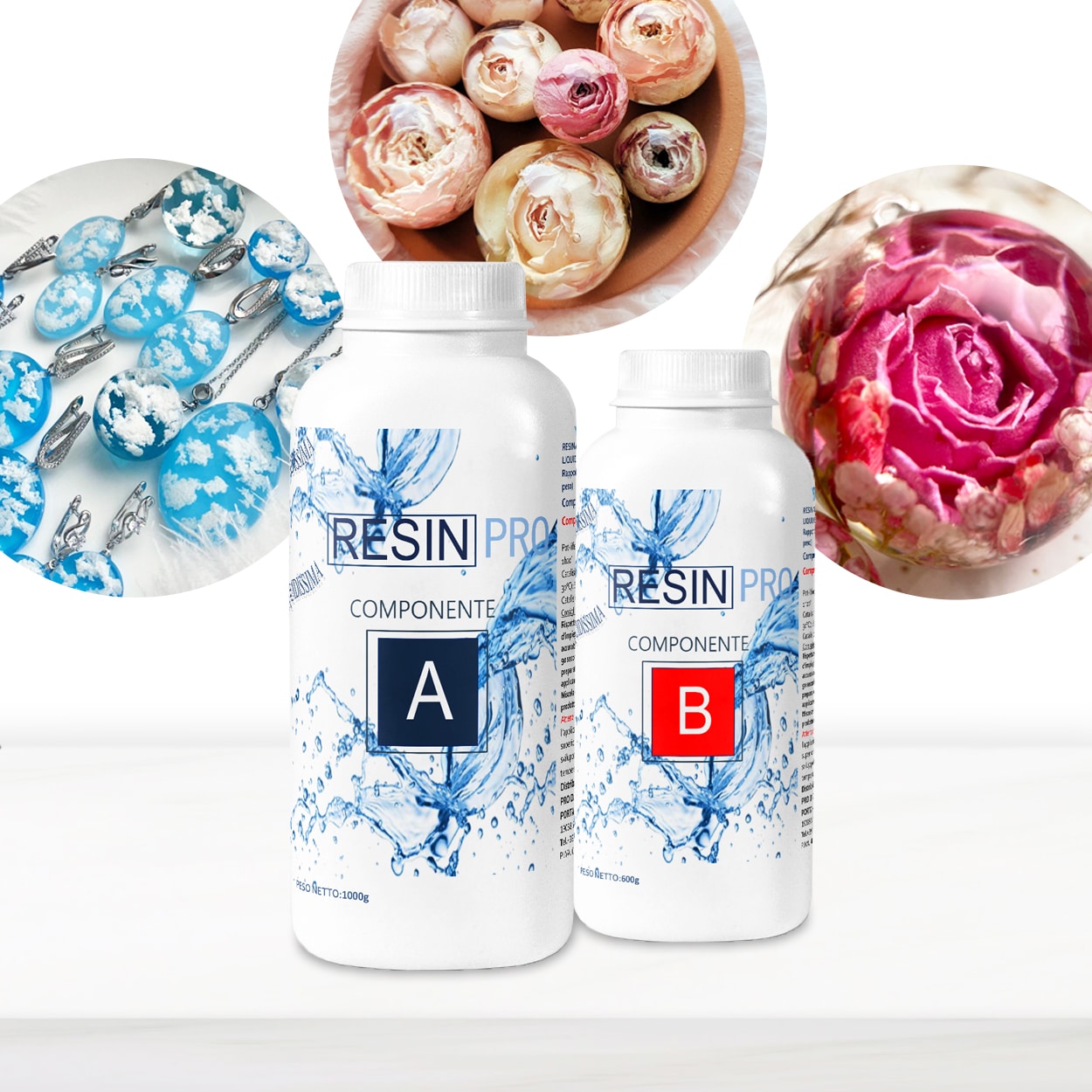
For the best results when coating pearls, opt for a clear, self-levelling resin with good flow properties—ensure the product you choose is suitable for intricate jewellery work. “Liquidissima” epoxy resin is ideal for this application, providing a transparent finish and sufficient working time for detailed pieces.
When This Matters Most
Meticulous cleaning is especially important when resining pearls for gifts, heirloom jewellery, or professional commissions, where clarity and flawless finish are essential to the final piece.
Related products
Related guides
Taking a little extra care to prepare your pearls pays off in the beauty and durability of your resin jewellery. For more tips and an in-depth guide, explore our main resource on how to resin pearls.