 Free shipping on orders over £29,85
  Shipping Tracking!


 Google
 Facebook
How to repair a resin table?
Step-by-step guide for flawless resin table repairs

If your resin table has suffered chips, scratches, or cloudy patches, a careful repair can restore it to stunning clarity and strength. Whether correcting minor imperfections or addressing more significant damage, the right approach ensures your table looks as good as new while retaining the durability and shine that makes resin furniture so appealing.
What You’ll Need
- “Icrystal” – Clear Epoxy Resin – Odourless Formula – Up to 1.5cm: Ideal for surface-level repairs and thin recoats, providing a scratch-resistant, clear finish.
- “Trasparente” – Multipurpose Clear Epoxy Resin for Casting – Up to 2cm: Suitable for slightly deeper repairs where you require a thicker, glossy layer.
- Protective gloves and mask
- Microfibre cloths or lint-free wipes
- Fine sandpaper (grits 400 to 1200)
- Mixing sticks and disposable containers
- Painter’s tape
- Soft polishing compound (optional, for final finish)

Visualising Each Stage of Resin Table Repair
See the resin repair process from surface prep to the final polished finish: Visual comparisons help clarify each key step and the expected results.
Step 1: Thoroughly clean and assess the damaged area
Begin by removing any dust, dirt, or surface oils from your table using a microfibre cloth moistened slightly with warm, soapy water. Dry carefully to avoid streaks. Examine the table closely and identify all scratches, chips, or cloudy spots. Clearing away contaminants is crucial for proper resin bonding later.
If there are deep gouges or extensive damage, make a note of the affected zones, as they may require a slightly thicker layer or multiple pours.
Step 2: Gently sand the affected section
Lightly sand the damaged area with fine sandpaper (beginning with 400 grit, progressing to 1200 grit) until the scratch edges are feathered and the surface is slightly roughened. This promotes excellent adhesion for the new resin layer. Use gentle, even strokes to avoid creating depressions.
Once finished, wipe away all dust with a lint-free cloth, ensuring the area is immaculate before resin work begins.
Step 3: Prepare and pour the resin
Carefully mask around the repair area with painter’s tape to define clean edges and protect the unaffected sections. If your repair requires a new resin layer up to 1.5cm, use “Icrystal” – Clear Epoxy Resin – Odourless Formula – Up to 1.5cm. For slightly deeper fills up to 2cm, opt for “Trasparente” – Multipurpose Clear Epoxy Resin for Casting – Up to 2cm.
Mix the resin according to the manufacturer’s instructions, paying close attention to the recommended ratios and mixing time. Pour slowly onto the prepared area, allowing the resin to self-level. Remove trapped bubbles with a gentle pass from a heat gun or by blowing across the surface with a straw. Work in a dust-free, well-ventilated area for best clarity.

Step 4: Allow the resin to cure fully
Let the poured resin cure undisturbed, following the product’s specified cure time (typically 12–48 hours depending on the type and thickness). Protect the repair from dust, pets, and direct sunlight during this period. Do not attempt to sand or handle until the resin is hard and cool to the touch.
If the damage was deeper and further filling is needed, you can repeat Steps 2 and 3 for an additional layer after the first one cures.

Step 5: Finish and polish for a seamless repair
Once cured, remove any tape and inspect the surface. If necessary, gently sand with very fine sandpaper to blend the repair with the rest of the table. Finish with a soft polishing compound and microfibre cloth to restore high gloss and smoothness. The end result should be a near-invisible patch, matching the clarity and shine of the original surface.
Take care to avoid over-polishing the surrounding area to prevent uneven levels of sheen.
Tips and Common Mistakes in Resin Table Repairs
Prepare thoroughly: Inadequate cleaning or sanding often causes poor adhesion or visible patchiness after curing. Always work dust-free.
Choose the right resin: Using excessively thick pours for surface-only repairs can lead to runs or unevenness. Match resin thickness to the damage.
Patience matters: Rushing the curing or sanding steps can ruin a repair. Always allow full cure before sanding or polishing.
If in doubt, test your chosen technique on a small, inconspicuous area first or consult an expert for advice on deep or structural repairs.
Before-and-After Results of Table Repairs
Compare real repair outcomes: Examples of successful resin table fixes showcase the transformation possible with the right materials and careful application.
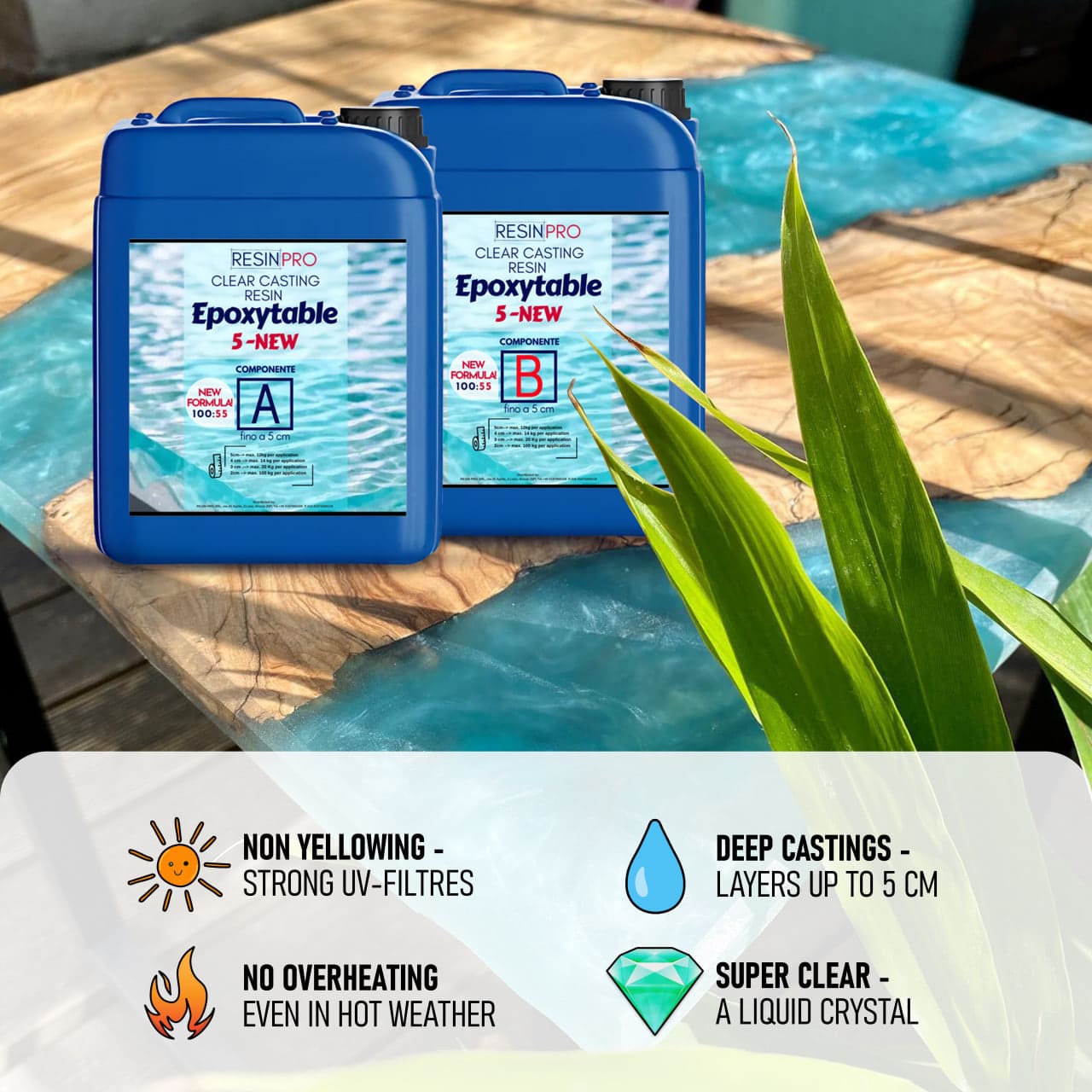
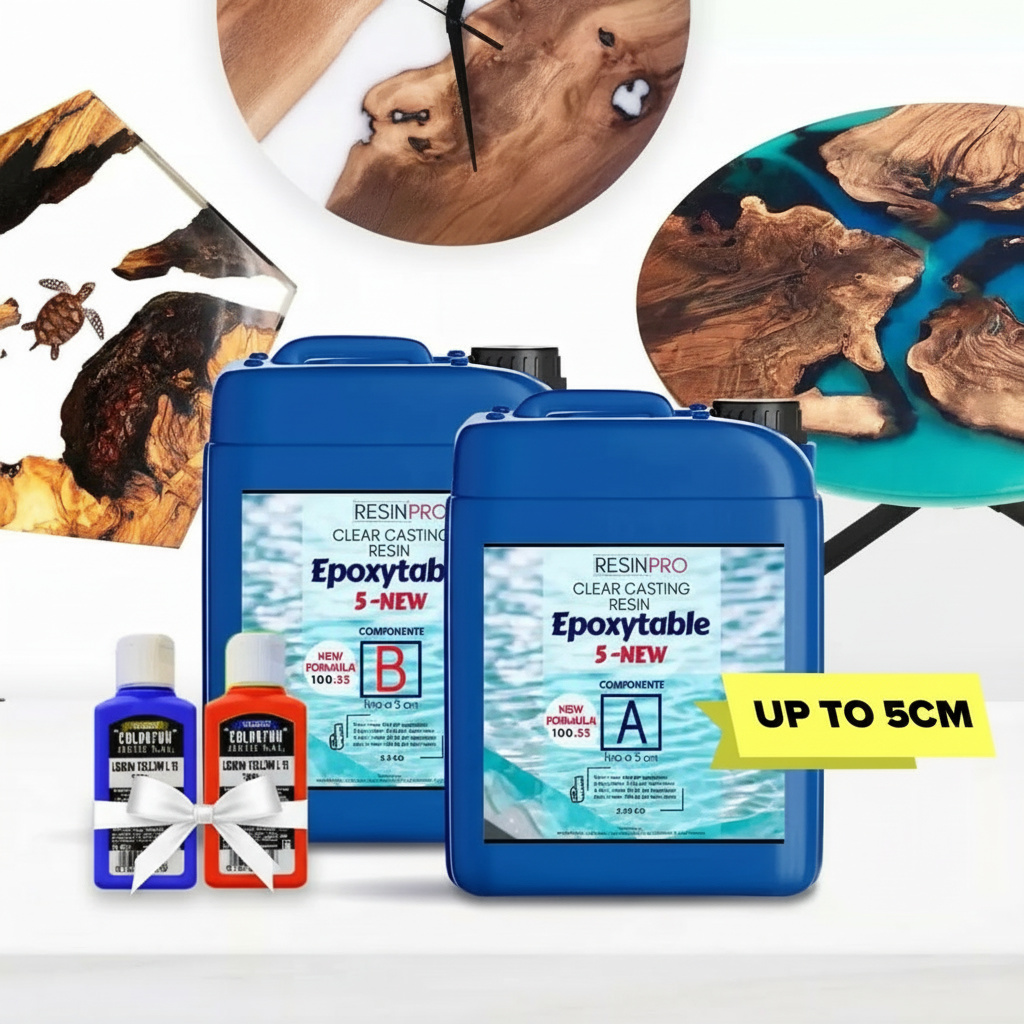
- "EpoxyTable 5-Five" – Deep Pour Epoxy Resin for Tables and Large Projects – Up to 5cmPrice range: £17.95 through £1,154.95"EpoxyTable 5-Five" is a deep pour epoxy resin designed for tables and large projects, suitable for creating layers up to 5cm thick.
- “Epoxytable 10-Ten” – Deep Pour Epoxy Resin for Tables, Up to 10cm CastingPrice range: £35.95 through £351.95“Epoxytable 10-Ten” is an epoxy resin designed for creating tables with castings up to 10cm depth, suitable for deep pour projects.
 "Trasparente" – Multipurpose Clear Epoxy Resin for Casting – Up to 2cmPrice range: £8.95 through £397.95"Trasparente" is a clear, multipurpose epoxy resin delivering a glossy, self-levelling finish up to 2 cm thickness, suitable for woodworking and DIY…
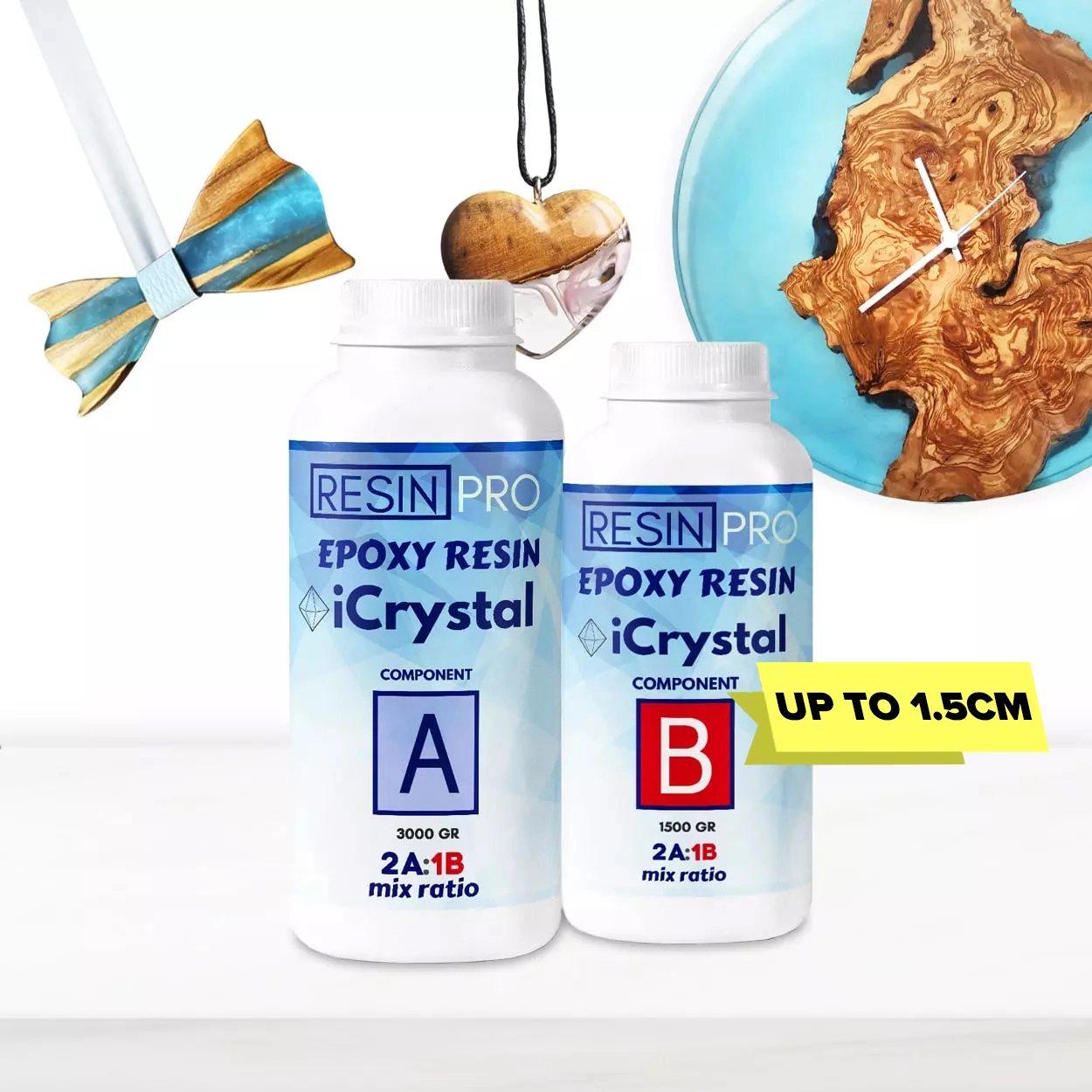 "Icrystal" – Clear Epoxy Resin – Odourless Formula – Up to 1.5cmPrice range: £12.45 through £341.45"Icrystal" Clear Epoxy Resin offers clear, scratch-resistant coating suitable for use in table repair applications with an odourless formula.
Frequently Asked Questions
Can you repair a damaged resin table top?
Yes, with the right cleaning, preparation, and suitable resin application, most resin table surface damage can be repaired at home.
What resin is best for repairing a tabletop surface?
Clear, self-levelling epoxy resins like Icrystal or Trasparente provide excellent repair results for surface-level and shallow fill areas.
How long does it take for resin repairs to cure?
Curing times typically range from 12 to 48 hours depending on resin type and thickness. Avoid handling until fully hardened.
How can I prevent bubbles in the resin repair?
Pour resin slowly onto the repair area and use a heat gun or blow gently to release trapped bubbles before the resin sets.
Is it possible to sand and polish the repaired area?
Yes, once cured, sand with fine grit and use a soft polishing compound for a flawless, glossy finish.
Can I repair deeper gouges with multiple resin layers?
For deeper damage, you can build up the area with several thin layers, allowing each to cure before the next.