 Free shipping on orders over £29,85
  Shipping Tracking!


 Google
 Facebook
← Back to How to cover a coffee table with resin?
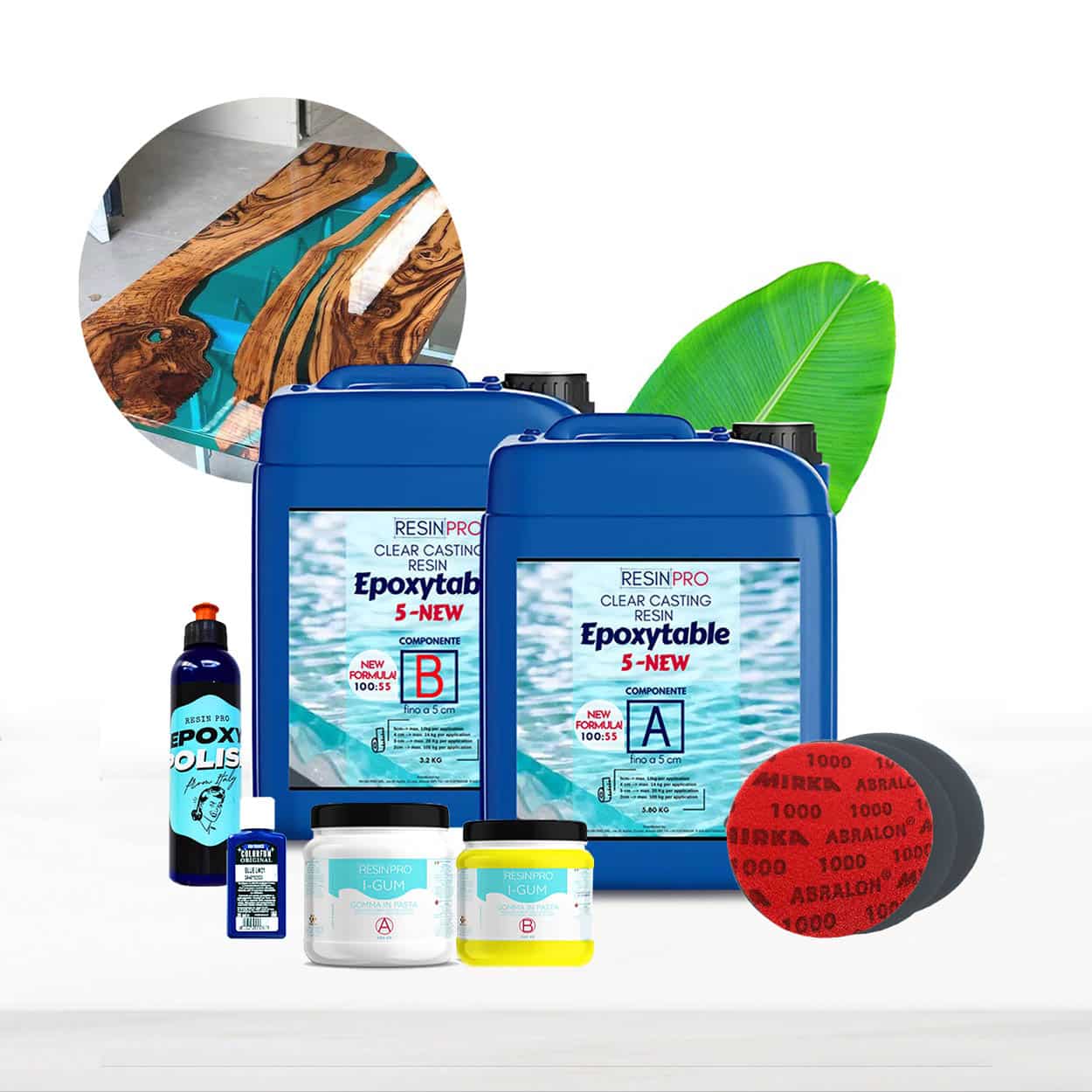
If your resin tabletop has lost its shine or features minor imperfections, you can restore a clear, glass-like gloss through careful sanding and polishing. This process is often the final step when making coffee tables with epoxy resins or kits.
Sanding Your Resin Tabletop: Tools & Techniques
Start sanding only after the resin is fully cured—typically several days after pouring, depending on product instructions. Begin with a coarse grit sandpaper (such as 360 or 500 grit) to level out any imperfections or unevenness. Gradually move to finer grits—progressing through 1000, 2000, 3000, and even up to 4000 grit for a smoother finish. Sand in a circular motion, and use water to minimise clogging and help achieve an even surface.
- Always ensure the surface is cleaned between sandpaper changes to prevent scratches.
- A sanding block or orbital sander can provide more uniform results on large surfaces.
Polishing for a Brilliant Finish
After sanding, use a polishing compound specially made for plastics and resins. Apply a small amount to a soft cloth or polishing pad, and buff the surface until it shines. Kits like the River-Table complete kit include polishing creams and a range of pads, simplifying the process.
- Work in small sections for even coverage.
- For a high-gloss effect, finish with a clean, microfibre cloth.
When This Matters: Achieving a Showcase Tabletop
Sanding and polishing are essential for anyone aiming for a flawless, professional look—particularly useful after deep resin pours or when repairing light scratches. A polished finish not only looks stunning but also helps preserve the clarity of the resin over time.
Related products
Related guides
Whether you are reviving an existing piece or finishing a new project, sanding and polishing your resin tabletop transforms the surface to its best possible state. For further guidance on resin techniques, see our main guide on how to cover a coffee table with resin.