 Free shipping on orders over £29,85
  Shipping Tracking!


 Google
 Facebook
How to paint a resin piece of furniture?
A step-by-step guide for flawless painted resin furniture

Painting a resin piece of furniture is a creative way to transform its appearance, add colour, or simply refresh old surfaces. Resin furniture, typically cast or coated with epoxy, requires special attention to surface preparation and finishing to ensure the paint bonds well and remains durable. Whether you’re updating a resin table, chair, or artistic furniture piece, this guide will show you how to achieve a smooth, long-lasting painted finish.
What You’ll Need
- Fine-grit sandpaper (220–400 grit)
- Microfibre cloth or tack cloth
- Mild detergent or isopropyl alcohol for degreasing
- Primer suitable for plastic or epoxy
- Quality acrylic, latex, or spray paint suited for plastic/resin
- Clean paintbrushes or foam rollers
- Protective gloves and masks
- Clear epoxy resin for sealing (e.g. “Icrystal” – Clear Epoxy Resin – Odourless Formula – Up to 1.5cm or “Trasparente” – Multipurpose Clear Epoxy Resin for Casting – Up to 2cm for added protection)

See Surface Preparation and Painting in Action
Observe real-life projects demonstrating sanding, priming, and painting resin furniture from start to finish. Notice technique, brushwork, and surface detail up close for your own inspiration.

Step 1: Prepare the Surface
Begin by thoroughly cleaning the resin furniture to remove dust, grease, or residues. Use a mild detergent solution or isopropyl alcohol and allow the piece to dry completely. This step is crucial for ensuring the paint sticks properly and won’t peel over time.
Once dry, lightly sand the entire surface using fine-grit sandpaper (220–400 grit). Sanding helps to create a slightly roughened surface for better primer and paint adhesion. Wipe away sanding dust with a microfibre or tack cloth for a spotless result.
Ensure the surface is perfectly clean and dry before painting.
Step 2: Prime the Resin Furniture
Apply a primer designed for plastic or resin surfaces. This step helps the paint adhere securely and provides a consistent base colour, especially useful if the original resin is very dark or highly glossy. Follow the instructions on your chosen primer and apply in thin, even coats, allowing each layer to dry as recommended.
For best results, primers with adhesion promoters are preferred, as they are formulated specifically to grip challenging surfaces like epoxy resin. Tack-free drying and a uniform appearance indicate that the primer is ready for painting.
Use a primer formulated for plastic or epoxy for better paint adhesion.
Step 3: Apply the Paint
Once the primer is fully dry, apply your chosen paint. Acrylic and latex paints work well for most resin furniture, while spray paints offer a smooth and even finish with minimum brush marks. Start with thin, even coats, being careful not to overload the surface, which can lead to drips or uneven drying.
Allow each layer to dry thoroughly according to the manufacturer’s directions before adding more coats. This will help achieve rich, uniform coverage and professional results without visible brush or roller marks.
Opt for thin, even coats and allow each layer to dry fully.

Step 4: Seal and Protect the Finish
After the paint has cured completely, it’s advisable to protect your newly-finished piece with a clear topcoat. For resin furniture, a layer of clear epoxy such as “Icrystal” – Clear Epoxy Resin or “Trasparente” – Multipurpose Clear Epoxy Resin offers exceptional durability and scratch resistance. Mix and apply the resin as directed, ensuring an even, bubble-free surface.
Sealing not only improves water and UV resistance but also gives the furniture a beautiful, glossy finish that’s easy to clean and maintain for years.
Seal the paint with a clear epoxy coating for durability.

Tips, Troubleshooting, and Common Mistakes
Paying attention to drying times between coats will prevent tackiness and visible brush marks. Never skip sanding; poorly prepared or glossy surfaces can cause the paint and primer to peel. Select products—including both paint and topcoat—labelled as compatible with plastics or epoxy to ensure long-lasting adhesion and finish.
If you see bubbles after sealing, use a heat gun or torch lightly over the wet surface to release trapped air. Avoid painting or curing resins in humid or very cold conditions, as this can affect the result. With careful prep and high-quality sealing, your painted resin furniture will look and perform its best.
Sealing and Finishing Techniques for Resin Furniture
Explore the transformation after applying a clear epoxy topcoat. These examples highlight the gloss, depth, and protective benefits that professional sealing provides to painted resin surfaces.
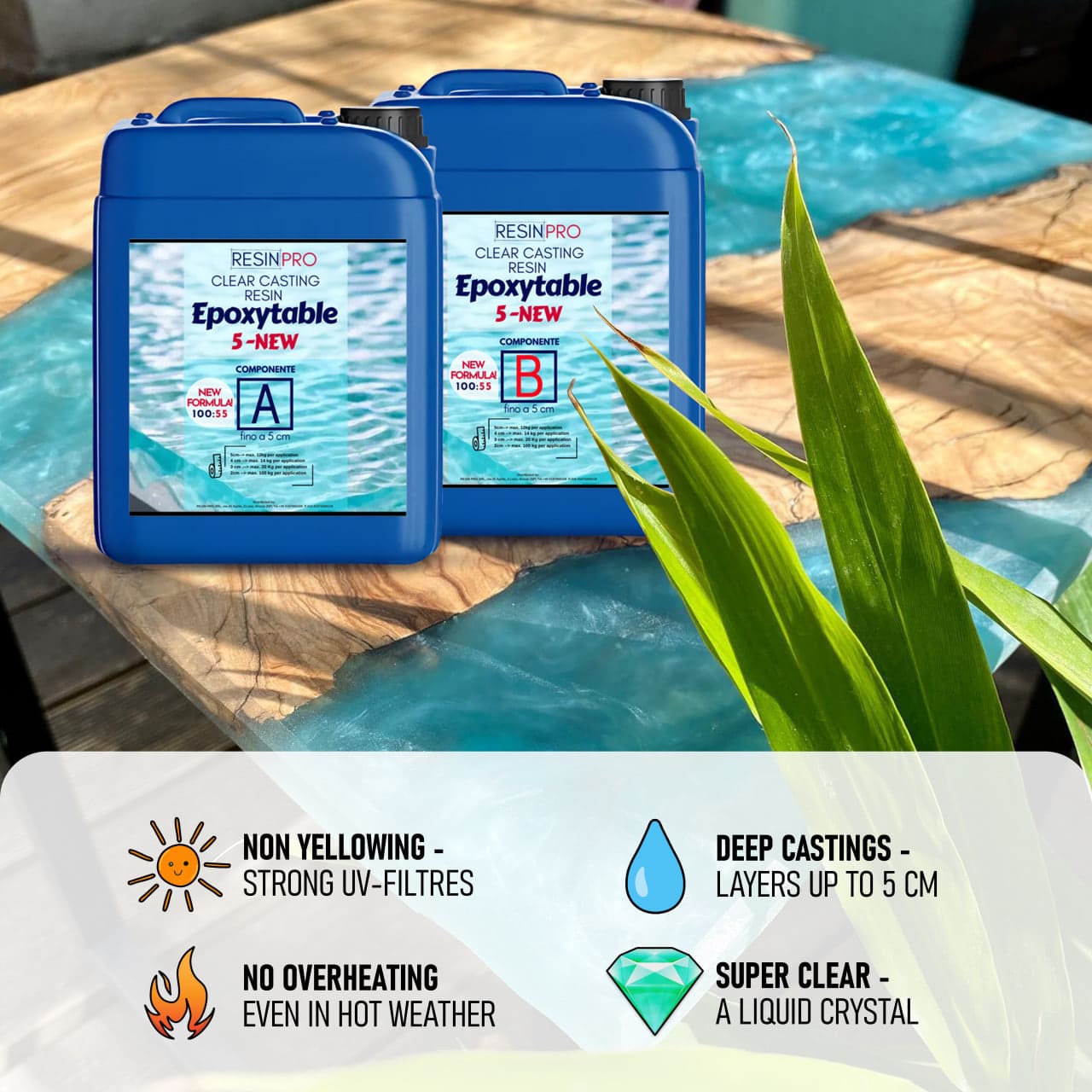
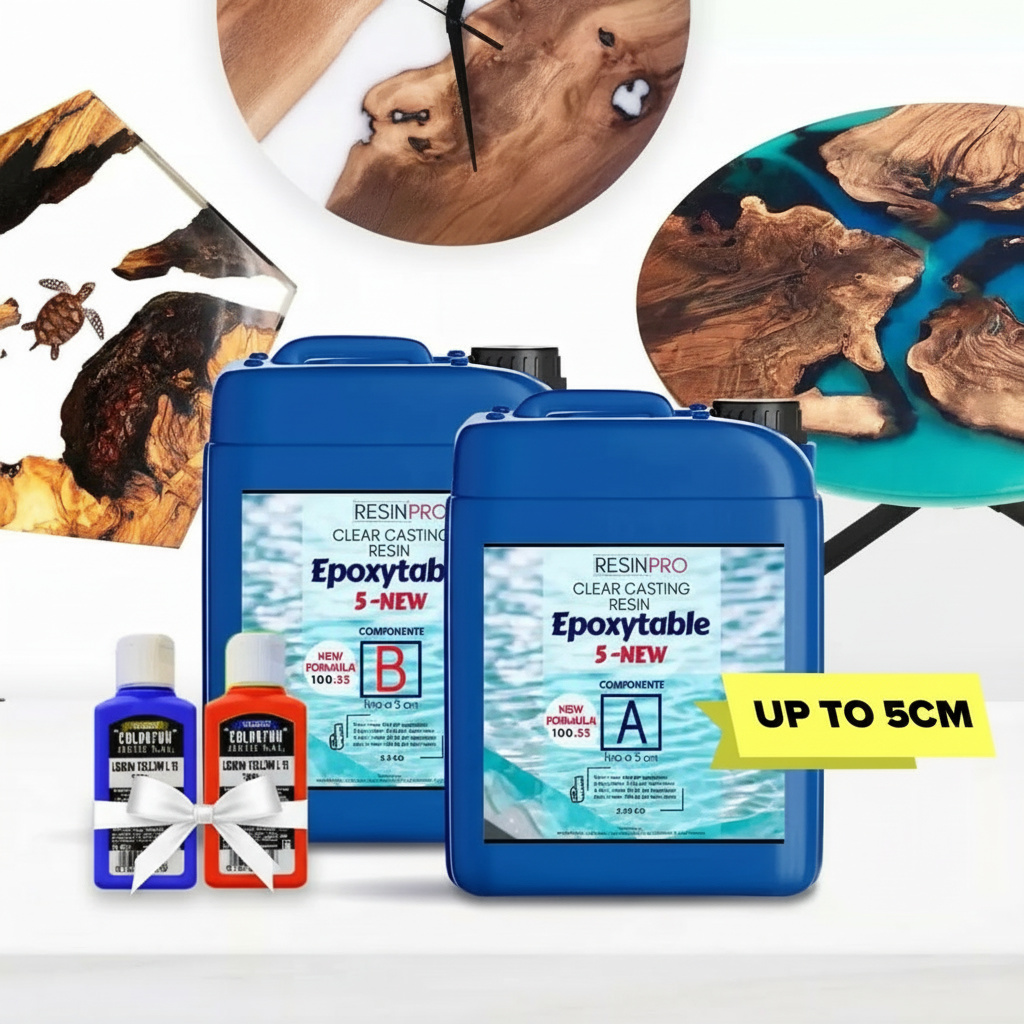
- "EpoxyTable 5-Five" – Deep Pour Epoxy Resin for Tables and Large Projects – Up to 5cmPrice range: £17.95 through £1,154.95“EpoxyTable 5-Five” epoxy resin is designed for deep pouring up to 5cm with properties suitable for furniture and large projects.
- “Epoxytable 10-Ten” – Deep Pour Epoxy Resin for Tables, Up to 10cm CastingPrice range: £35.95 through £351.95“Epoxytable 10-Ten” is designed for creating tables with deep pours up to 10cm, suitable for furniture within the theme.
 "Trasparente" – Multipurpose Clear Epoxy Resin for Casting – Up to 2cmPrice range: £8.95 through £397.95"Trasparente" clear casting epoxy resin offers a self-levelling glossy finish up to 2cm thick, suitable for woodworking and restoration.
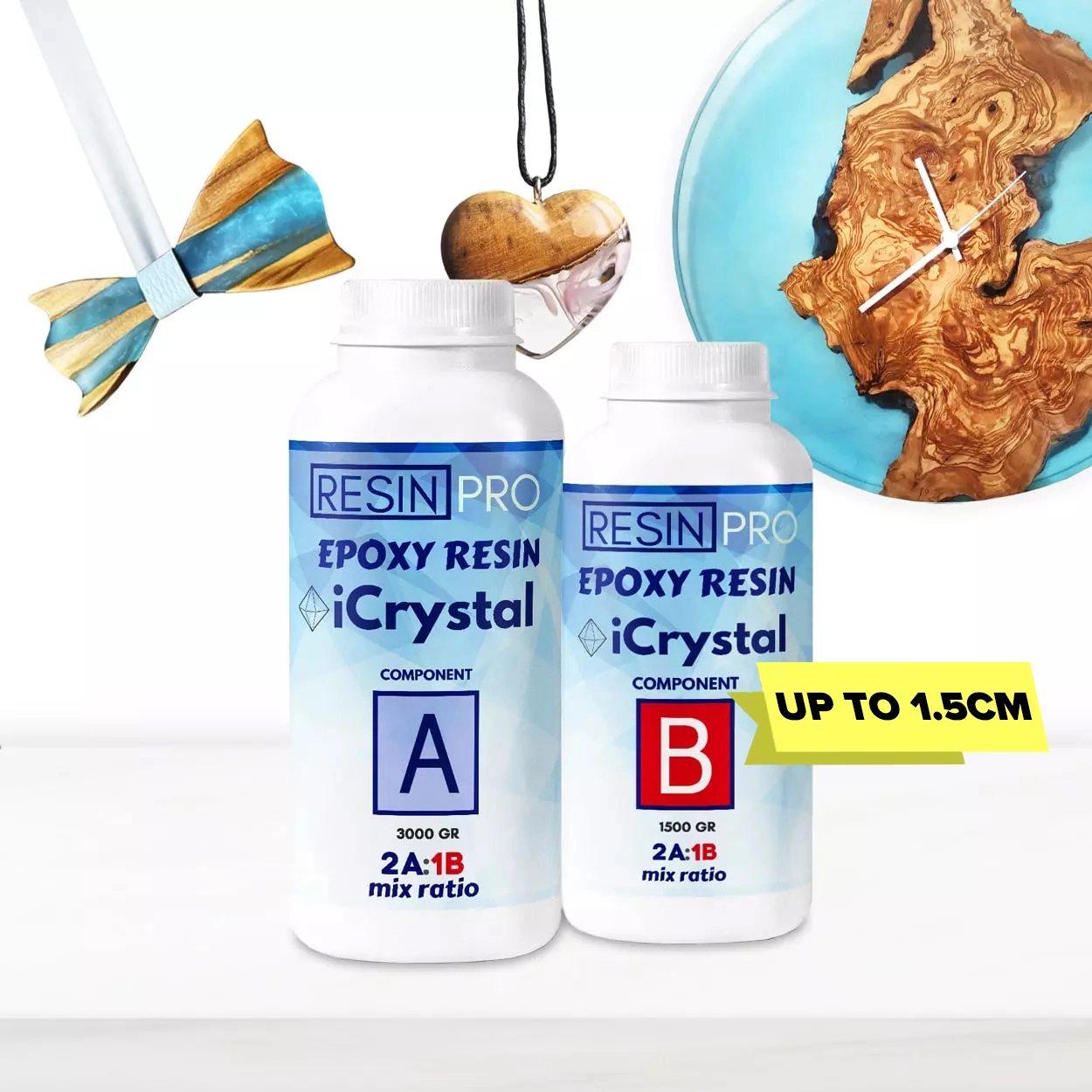 "Icrystal" – Clear Epoxy Resin – Odourless Formula – Up to 1.5cmPrice range: £12.45 through £341.45"Icrystal" is a transparent epoxy resin designed for furniture and surfaces with high scratch resistance and easy use.
Frequently Asked Questions
Can you paint directly on epoxy resin furniture?
Painting directly on bare resin can lead to poor adhesion. Always clean, sand, and prime resin furniture before painting for best results.
What is the best type of paint for resin furniture?
Acrylic or latex paints are recommended for resin furniture; spray paints for plastics also provide an even finish.
Should I use primer before painting resin furniture?
Yes, primer ensures the paint adheres well and prevents peeling or flaking over time.
How do I make painted resin furniture more durable?
Seal the painted surface with a clear epoxy coating to provide extra protection against scratches and wear.
How long should I let each paint coat dry on resin furniture?
Let each coat dry completely as per the paint manufacturer's instructions, usually between 1–4 hours depending on conditions.
Can I use clear epoxy to seal painted resin furniture?
Yes, a clear epoxy resin layer enhances durability, scratch resistance, and gives a high-gloss finish.