 Free shipping on orders over £29,85
  Shipping Tracking!


 Google
 Facebook
← Back to How to paint a armored door panel with epoxy paints?
If you are considering upgrading or protecting your doors, epoxy coatings may seem like a modern and resilient option. Knowing whether epoxy is suitable for both interior and exterior doors—and under what conditions—is key to choosing the right finish for lasting performance.
Epoxy on Interior vs Exterior Doors
Epoxy coatings deliver a hard-wearing and smooth surface on interior doors, offering advantages such as stain resistance and easy cleaning. When used indoors, epoxy is less exposed to degrading elements, making it a durable option for high-traffic doors or areas prone to moisture.
For exterior doors, it’s essential to select an epoxy product—or an alternative coating—formulated to withstand UV rays and weather exposure. Regular epoxy may become brittle, chalky or yellow over time if not protected against sunlight and the elements. Products with added UV resistance ensure that your exterior door maintains its appearance and performance.
Choosing the Right Coating
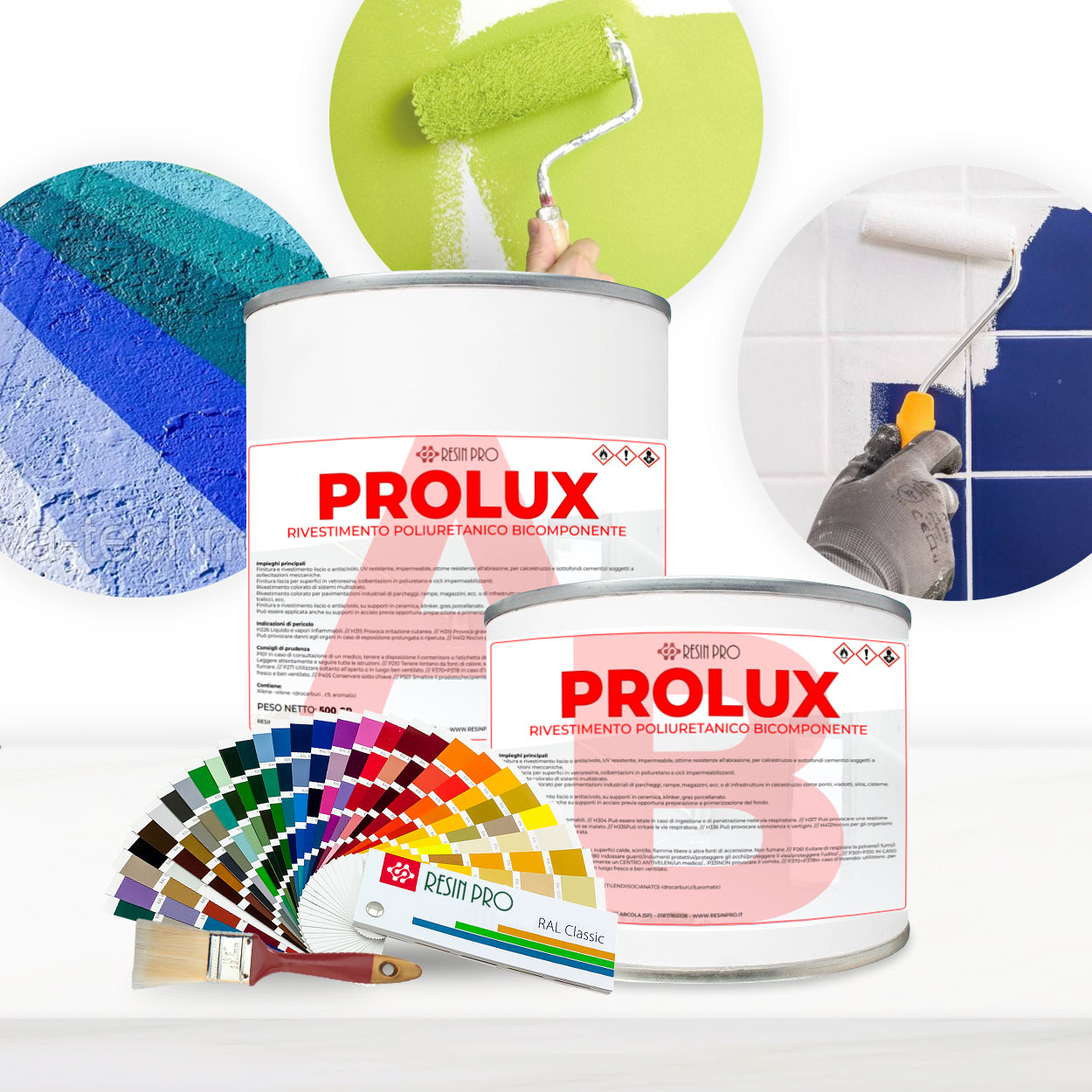
When using epoxy outdoors, you may benefit from hybrid or polyurethane-enhanced coatings designed with weather resilience in mind. For example, Prolux PU coating offers strong resistance to UV rays, yellowing, abrasion, and weathering—ideal for external metal or composite door panels. Always check your chosen product for these specific properties, and follow surface prep instructions, such as cleaning, sanding, and priming if recommended, to ensure optimal bonding and longevity.
Application Tips and Practical Advice
For best results, apply epoxy or polyurethane coatings to doors that are clean, dry, and properly prepared—this may include degreasing and lightly sanding the surface. Indoors, you can use decorative or clear epoxy for custom or creative finishes. Externally, prioritise products specifically labelled for outdoor use, and consider protective clear coats or lacquers over the top for additional UV defence.
- Read and follow product instructions carefully.
- Use multiple thin coats rather than one thick layer.
- Allow full curing between coats and before heavy use.
When This Matters
If your door is exposed to direct sun, wind, or varying temperatures, investing in a UV and weather-resistant finish is especially important. This ensures your work remains resistant to fading, peeling, or yellowing over time—qualities essential for exterior doors or those in sunlit rooms.
Related products
Related guides
Whether refreshing interior doors or protecting external entries, choosing an epoxy or polyurethane-based product matched to your environment will boost both durability and appearance. For more guidance on finishes and step-by-step instructions, see our hub on how to paint an armored door panel with epoxy paints.