 Free shipping on orders over £29,85
  Shipping Tracking!


 Google
 Facebook
How to paint a armored door panel with epoxy paints?
Create a tough, lasting finish on metal doors using modern epoxy systems
Upgrading an armoured door panel with epoxy paints dramatically enhances both its durability and aesthetic appeal. Whether you are tackling a restoration, aiming for extra protection, or simply updating your property’s look, this guide will help you complete the project with confidence. We’ll take you through the essential steps—from preparation to finishing touches—to ensure a smooth and truly resilient result.
What You’ll Need
- “Epoxyprimer” – Universal Water-Based Two-Component Epoxy Floor Primer: Promotes strong adhesion between the metal panel and epoxy layers.
- Appropriate epoxy or polyurethane topcoat (depending on desired finish and durability).
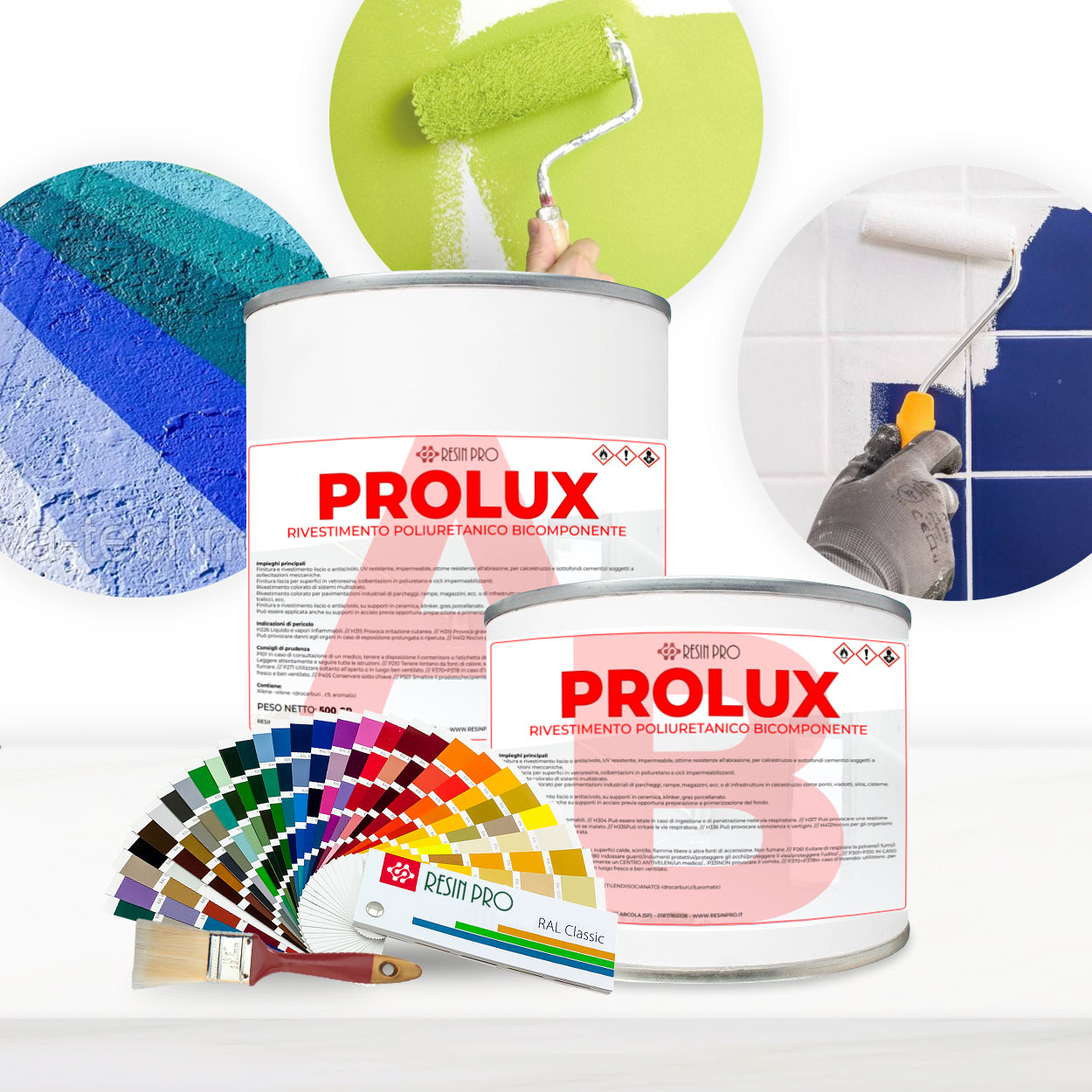
- “Prolux” – PU coating for tiles, concrete, plastic and metal – suitable for driveable surfaces: For a tough, weather-resistant topcoat on metal.
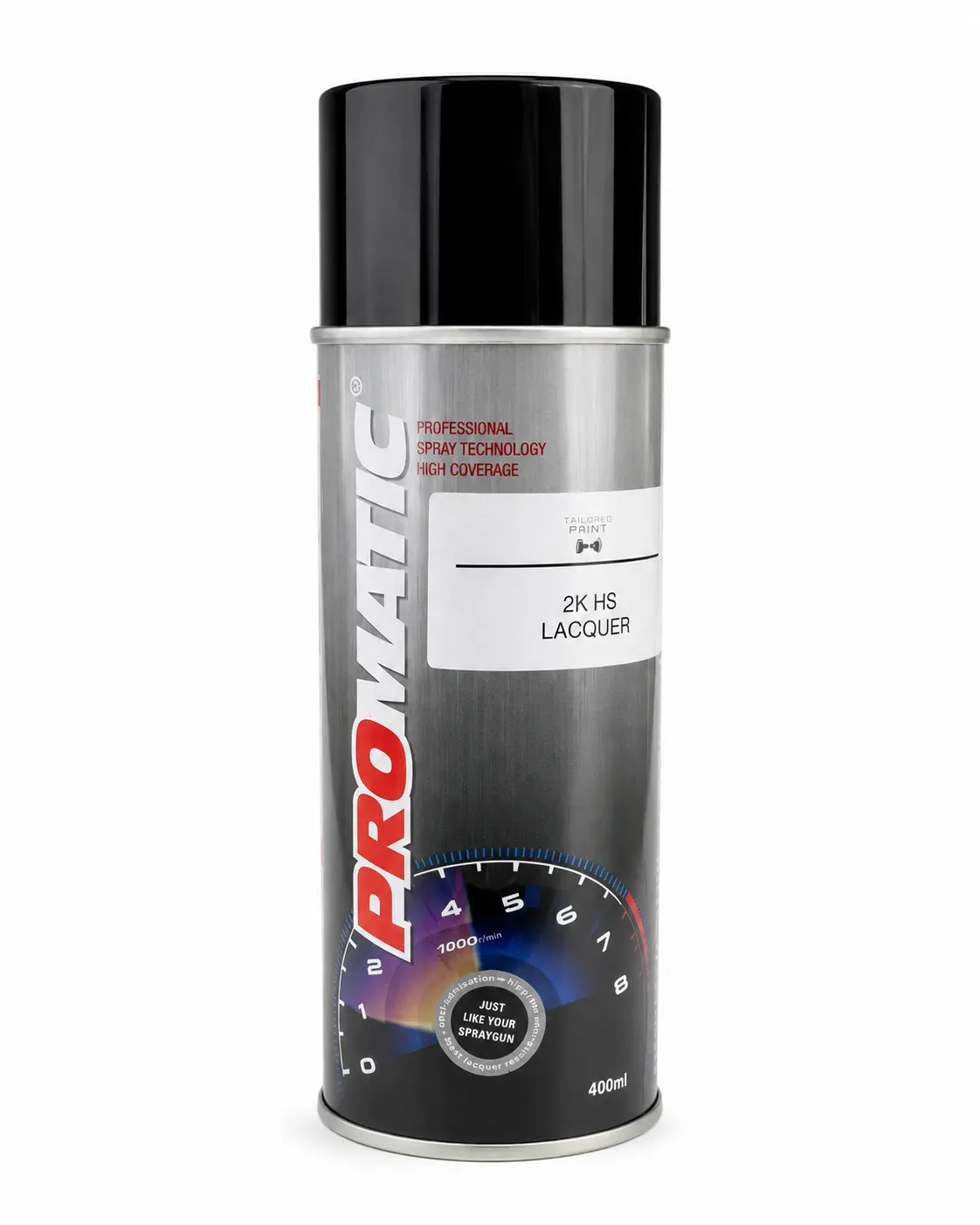
- 2K Clear Coat Lacquer Aerosol Spray – 400ml High Gloss Finish: Adds extra shine and scratch resistance after the main coat.
- Degreaser or gentle cleaner, fine sandpaper (220–320 grit), lint-free cloths.
- Masking tape and protective sheets.
- Protective gloves, goggles, and face mask.
- Rollers, high-quality synthetic brushes, or spray equipment (as suited for chosen product).
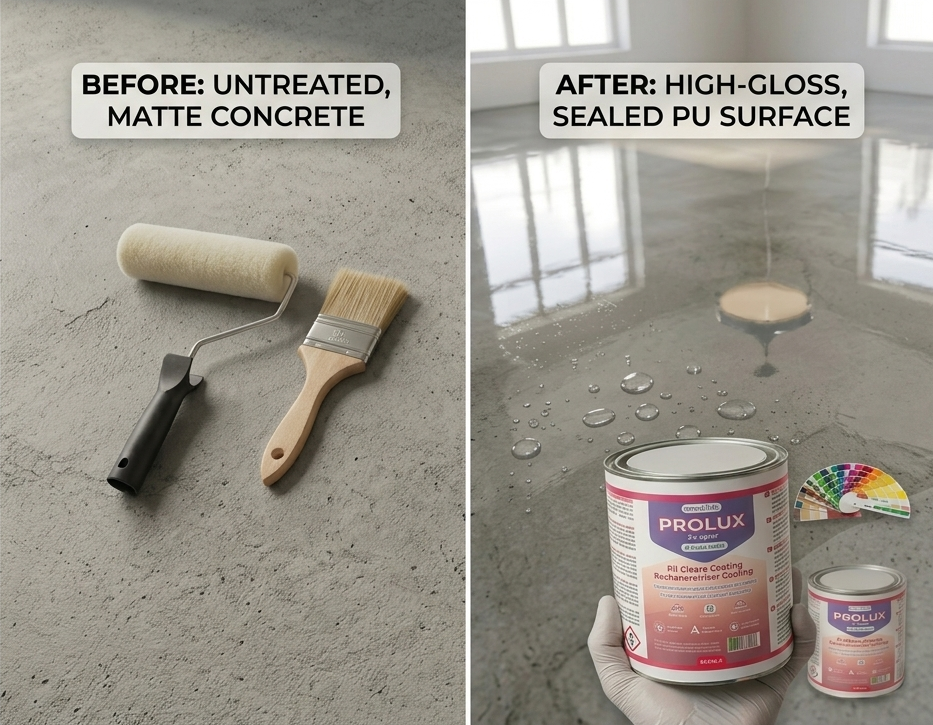
Essential Tools and Product Selection
Start your project with quality materials adapted for metal surfaces. Choosing the right primer and topcoat is vital to achieving a strong and durable finish on armoured doors. Always select products formulated for metal or high-traffic areas for best results.

Step 1: Prepare and Clean the Door Panel
Start by removing any handles, locks, or hardware that might obstruct your painting. Thoroughly clean the armoured door panel using a degreaser or a mild detergent to eliminate dust, oil, and contaminants that could hinder adhesion. Wipe dry with clean, lint-free cloths.
Gently sand the metal surface with 220–320 grit sandpaper to create a key for the primer. Pay special attention to corners, edges, and any rust spots—sanding them until smooth. Remove sanding dust with a damp cloth and mask off any areas not to be painted to prevent accidental coating.
Step 2: Apply a High-Performance Epoxy Primer
Priming is critical for optimal bonding between the metal surface and your epoxy or polyurethane coating. Mix your two-component primer thoroughly according to instructions. Using a roller or brush, apply an even coat of “Epoxyprimer” – Universal Water-Based Two-Component Epoxy Floor Primer. This will promote firm adhesion and help prevent future flaking or peeling.
Allow the primer to cure fully—typically 24 to 48 hours, depending on conditions—before moving to the next stage. Check that the surface is dry and tack-free by touch before proceeding.
Step 3: Apply the Epoxy or Polyurethane Topcoat
Once the primer has cured, select your preferred finish—epoxy or polyurethane. For armoured door panels exposed to weather and heavy use, a two-component polyurethane such as “Prolux” – PU coating for tiles, concrete, plastic and metal – suitable for driveable surfaces provides outstanding durability.
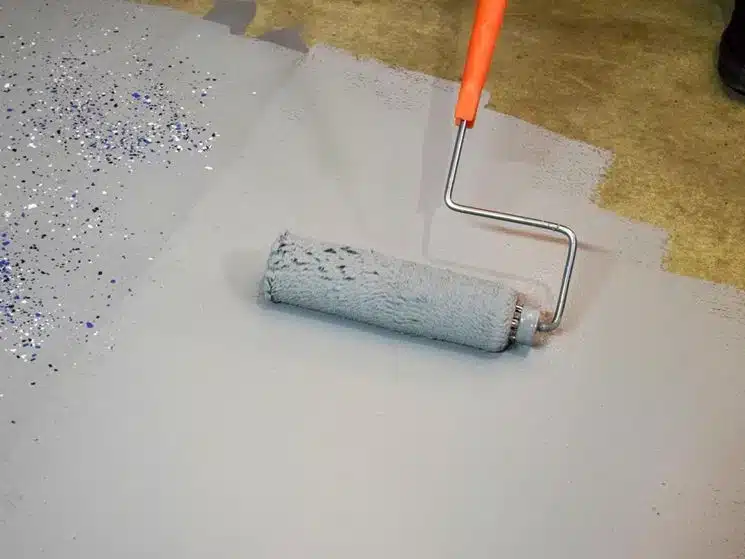
Mix the components according to the manufacturer’s ratio (for Prolux, 2:1 by weight). Apply with a high-quality brush, roller, or spray equipment in thin, even coats. Avoid overworking the product, as this can leave streaks or bubbles. Let the first coat dry fully before applying a second layer if needed for complete coverage and maximum protection.

Step 4: Add a Protective Gloss Coat (Optional)
For an ultra-glossy, scratch-resistant surface, apply a suitable clear lacquer. The 2K Clear Coat Lacquer Aerosol Spray – 400ml High Gloss Finish is ideal for this purpose. Shake the can vigorously, then spray thin, even coats from about 20–30 cm distance. Allow 10–15 minutes between coats, building up the gloss gradually. Ensure the surface is fully dry and cured before handling or re-attaching hardware.
Tips, Common Mistakes, and Troubleshooting
- Always work in a well-ventilated area with appropriate PPE. Epoxy and polyurethane products release fumes—use gloves, goggles, and a mask.
- A flawless finish is achieved through thorough surface preparation. Skipping cleaning or sanding can lead to poor adhesion and peeling.
- Allow each layer to cure fully before applying the next. Rushing this step risks trapping solvents and causing bubbles or cloudiness.
- Don’t apply thick coats, as this increases the chance of runs or uneven drying.
- If in doubt, test the coating system on a small, inconspicuous area first to check compatibility and finish.
Finishing Touches and Aftercare
Allow all layers ample curing time before reinstalling hardware or exposing the door to weather. Clean lacquered surfaces with mild, non-abrasive cleaners only, and inspect the finish regularly for chips or wear in high-use areas.
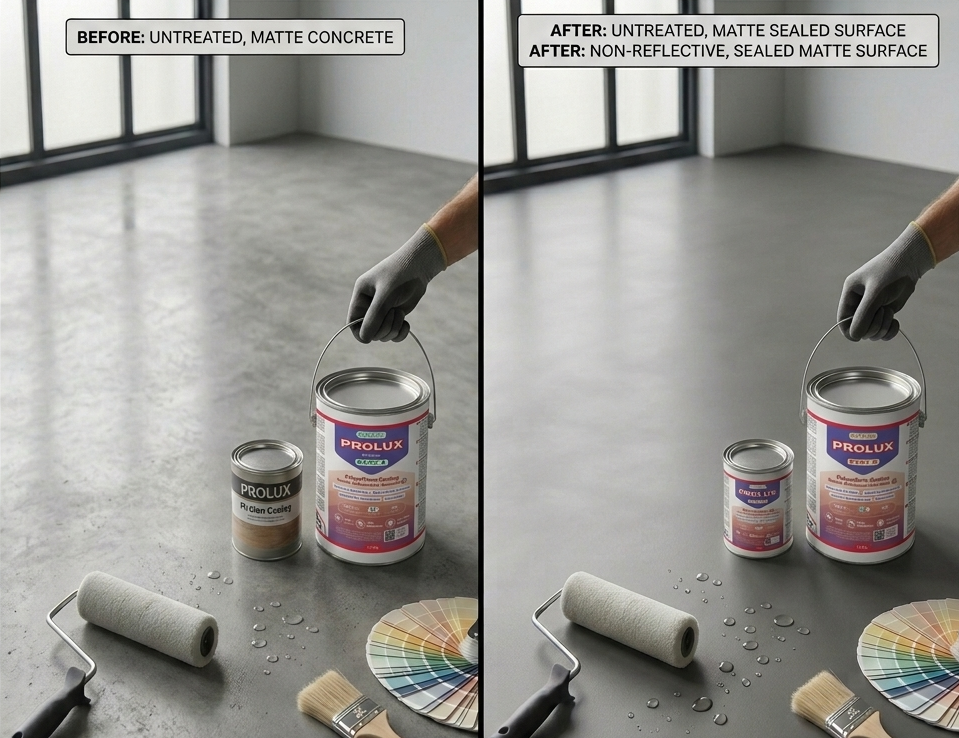
- "Prolux" – PU coating for tiles, concrete, plastic and metal – suitable for driveable surfacesPrice range: £44.85 through £494.85"Prolux" is a polyurethane coating suitable for various surfaces offering a durable finish in gloss or satin, aligning with how to paint an armored…
- 2K Clear Coat Lacquer Aerosol Spray – 400ml High Gloss Finish£20.952K Clear Coat Lacquer provides a fast drying, high gloss finish suitable for epoxy resin projects.
- "Epoxyprimer" – Universal Water-Based Two-Component Epoxy Floor PrimerPrice range: £156.45 through £286.45Epoxyprimer is a water-based two-component epoxy floor primer designed for reliable adhesion on various surfaces in this painting theme.
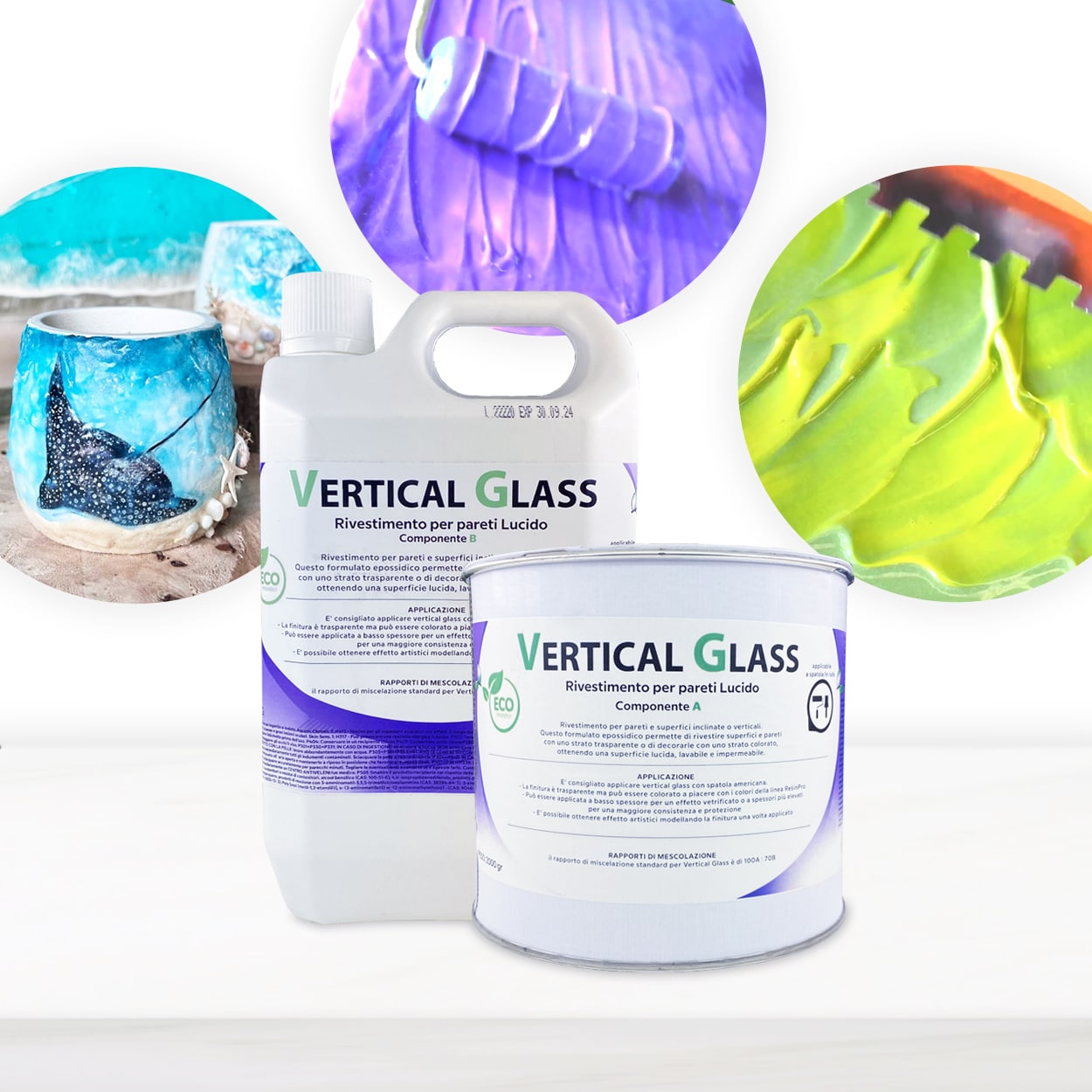 "Vertical Glass" – Thick Resin Decorative Wall CoatingPrice range: £78.95 through £188.95Vertical Glass offers a customisable, waterproof epoxy resin coating for vertical and sloping interior surfaces suitable for decorative applications.
Frequently Asked Questions
Can I paint over an old coating on an armoured door?
Yes, as long as the existing surface is thoroughly cleaned and lightly sanded to ensure the new coatings can adhere properly.
Why is primer important when painting a door panel?
Primer improves adhesion between the metal and paint layers, prevents peeling, and boosts coating lifespan.
How long does epoxy or polyurethane coating take to cure on a door?
Curing times vary by product, but most require 24 to 48 hours between coats and up to 7 days for full strength.
Is epoxy suitable for both interior and exterior doors?
Yes, but ensure the product used is UV and weather resistant for exterior applications.
Should I use gloss or matte topcoat on an armoured door?
Gloss finishes enhance appearance and are easier to clean, while matte hides imperfections; choose based on your preference.
Can the topcoat be sprayed or brushed onto an armoured door panel?
Yes. Both methods are effective—spraying offers a smoother finish, while brushing or rolling works well for small or detailed areas.