 Free shipping on orders over £29,85
  Shipping Tracking!


 Google
 Facebook
← Back to How to replace resin for making jewelry?
If you’re switching between different resin types for jewellery making, cleaning your mould thoroughly is essential. Residues left from previous projects can compromise both appearance and curing of your next piece.
Why a Clean Mould Matters
Build-up from previous casting sessions—whether from epoxy, UV, or pigmented resins—can leave marks or cloudiness in your finished work. Each resin formula cures slightly differently, and even invisible residues can interfere with curing or surface quality, leading to tacky spots or blemishes. Starting with a spotless mould ensures your new resin cures clear and glossy, just as intended.
How to Properly Clean Your Mould
- Gently remove any cured resin fragments with a soft cloth or your fingers.
- Wash the mould with a mild soap and lukewarm water; avoid harsh scrubbing or strong solvents as these can damage silicone.
- Rinse thoroughly and allow the mould to dry completely before use.
For intricate moulds, a soft brush can help reach detailed areas. Check for leftover residue by closely inspecting under good light.
When Cleanliness Is Crucial
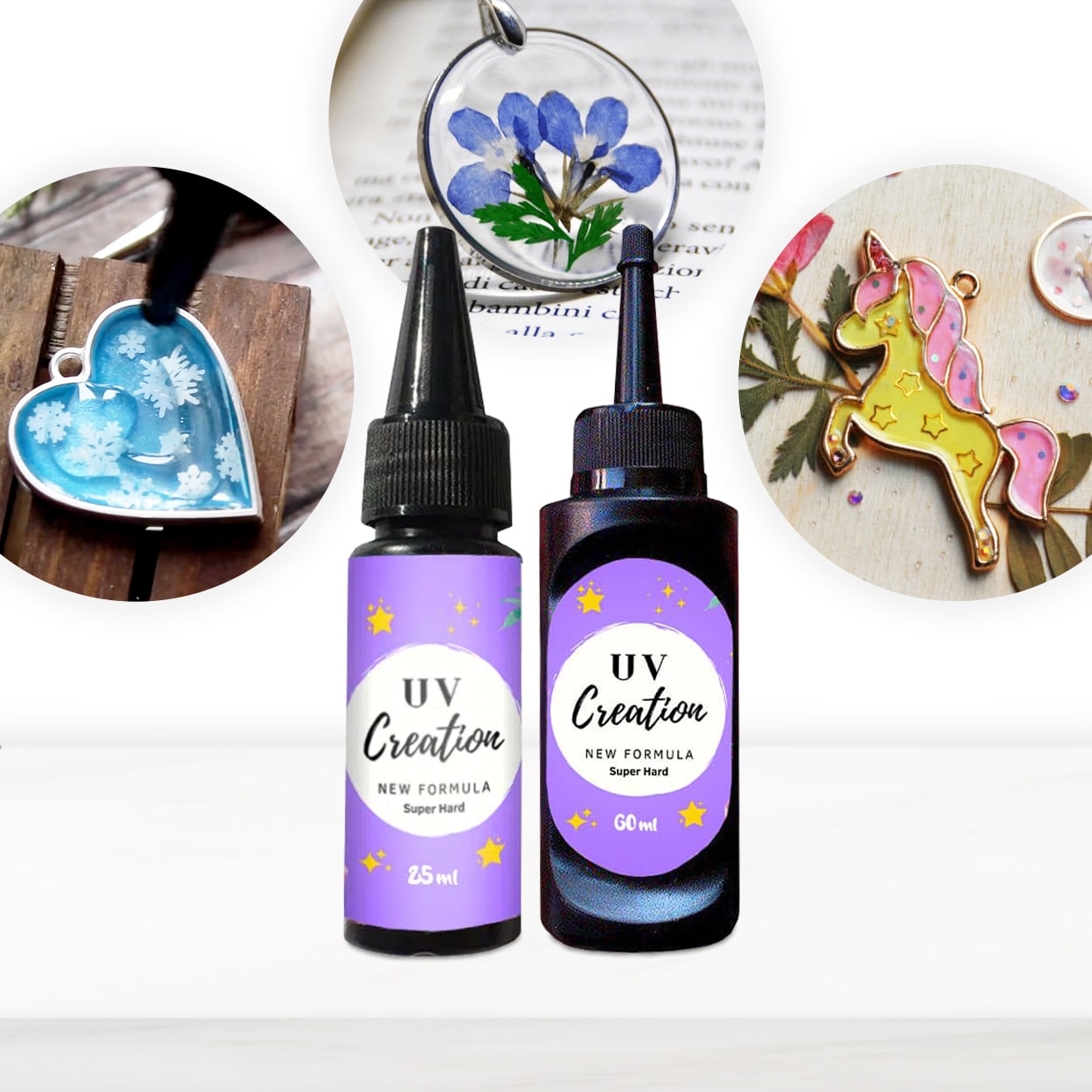
If you’re moving from an epoxy resin to a fast-curing product like UV–Creation Fast Acrylic Resin or experimenting with different colours, a pristine mould is especially important. Any trace of the previous material can affect the clarity, finish, or demoulding ease of your new creation.
Related products
Related guides
Taking the time to thoroughly clean your mould between different resins not only preserves your tools but also ensures professional results every time. Discover more tips for successful resin jewellery projects in our main guide on how to replace resin for making jewellery.