 Free shipping on orders over £29,85
  Shipping Tracking!


 Google
 Facebook
How do you apply an epoxy vapor barrier?
Step-by-step guide for effective floor and wall protection
Applying an epoxy vapor barrier is essential when you need to protect concrete floors or masonry surfaces from moisture migration. This process helps prevent water damage, mould growth, and flooring failures. Whether you’re refurbishing a basement, preparing for a new flooring installation, or sealing stonework, mastering the correct method ensures lasting results and a dry, stable substrate.
What You’ll Need
- “Epoxyprimer” – Universal Water-Based Two-Component Epoxy Floor Primer: A universal water-based epoxy primer for enhancing adhesion and durability on concrete, tiles, screeds, or timber.
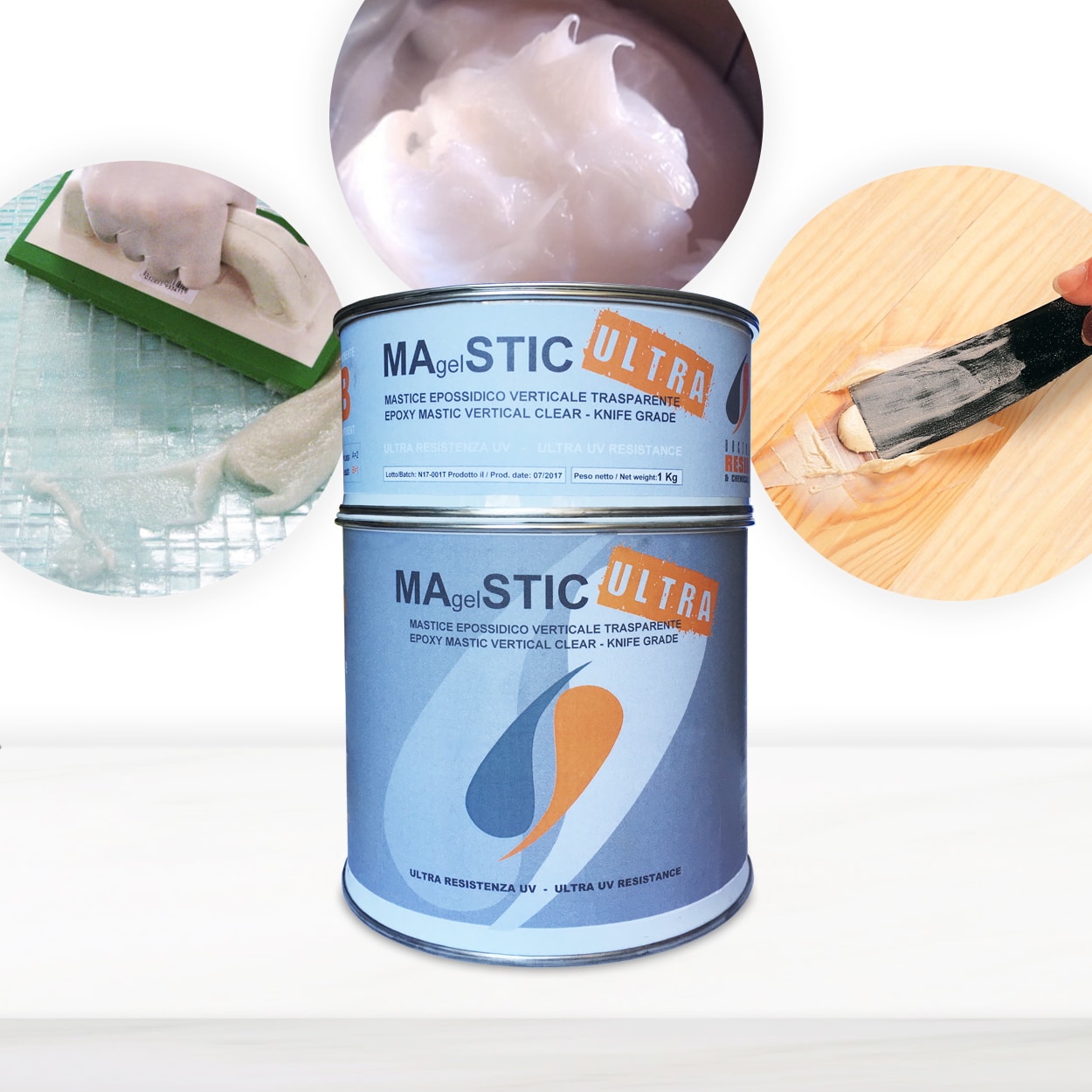
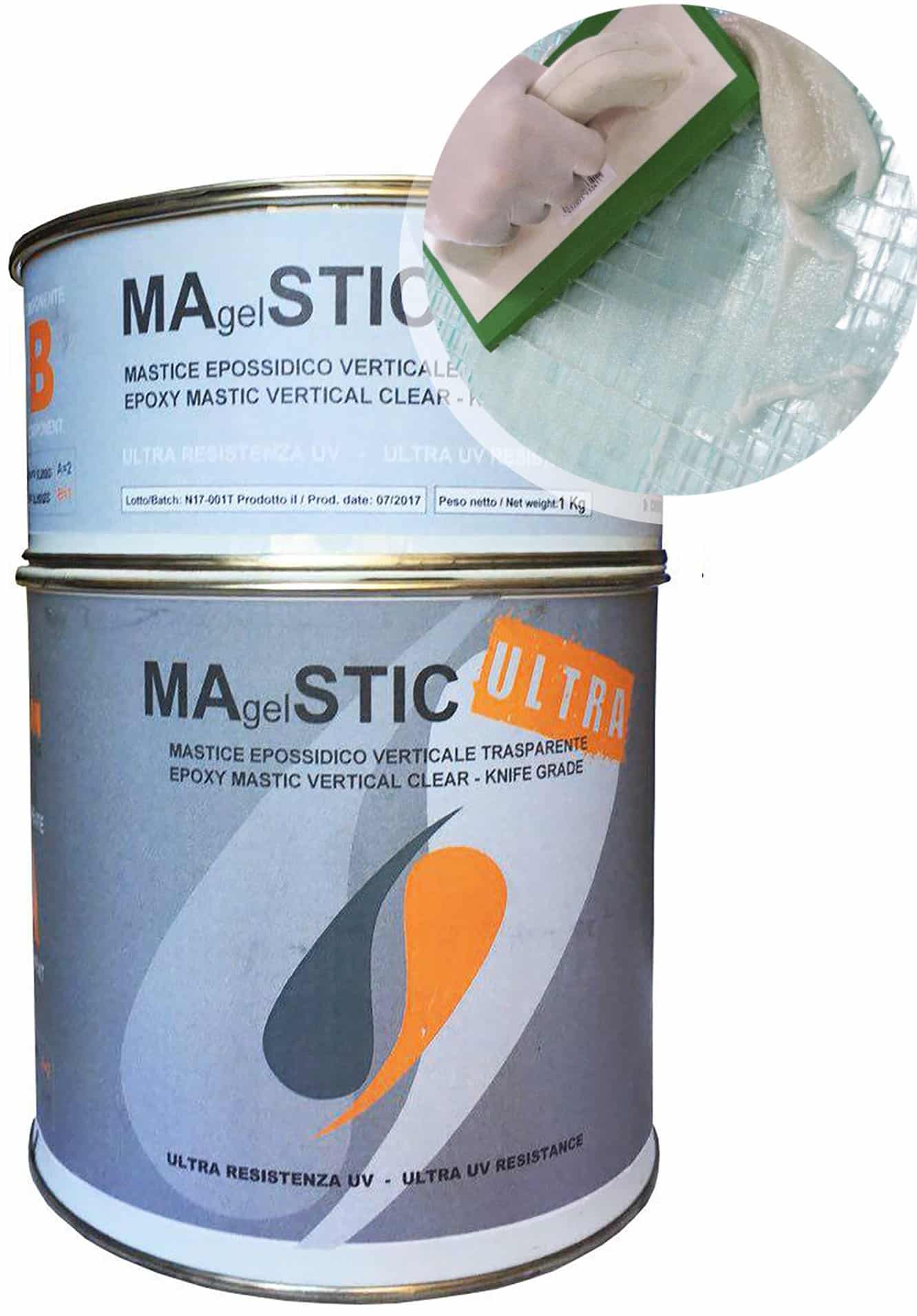
- “Magelstick” – Epoxy Mastic for Stone, Metal, and Cement Bonding and Grouting: Bi-component epoxy putty for sealing joint gaps or cracks in stone, metal, or cement surfaces.
- Protective gloves, goggles, and suitable work clothing
- Heavy-duty roller or brush
- Spatula for putty or corner work
- Mixing containers and stirring stick
- Clean cloths or vacuum for dust removal

Surface Preparation Essentials
Superior adhesion and a long-lasting barrier depend on immaculate preparation. Always remove dust, old finishes, and contaminants before priming. Address any cracks or unevenness with a suitable epoxy mastic for a seamless result.
Step 1: Prepare the Substrate Thoroughly
A successful epoxy vapor barrier begins with careful surface preparation. Remove all loose debris, dust, oils, paint, and existing adhesives from the area. Concrete floors should be fully cured and free from moisture—test with a simple plastic sheet (tape a square down for 24 hours) to check for condensation. Any visible cracks or joints must be routed out and cleaned.
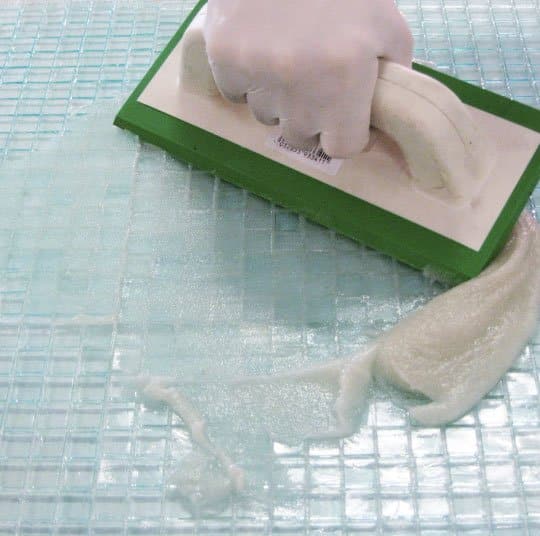
If you’re working on stone, metal, or cement, check for cracks or gaps that may compromise the barrier. For these, “Magelstick” – Epoxy Mastic for Stone, Metal, and Cement Bonding and Grouting can be used to bond and seal joints without shrinking or sagging.
Step 2: Prime the Surface for Better Adhesion
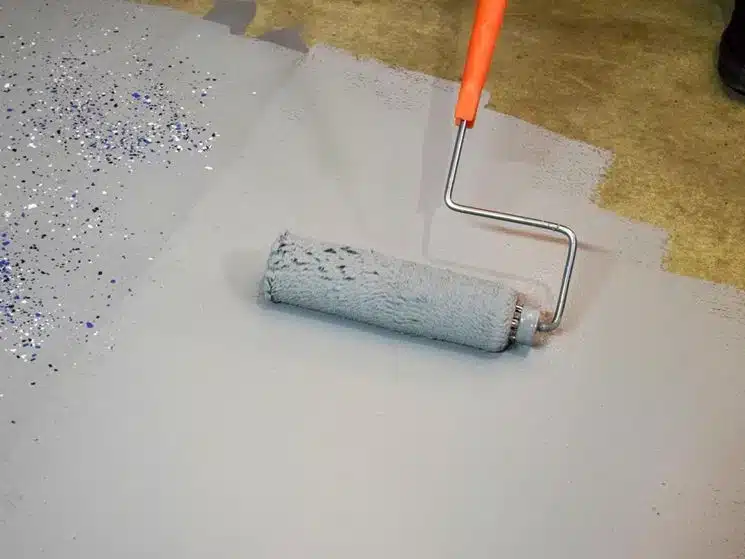
Once the area is clean and dry, it’s time to apply an epoxy primer to improve adhesion and create a stable base for the vapor barrier. Mix the components of the epoxy primer according to the manufacturer’s instructions, ensuring even consistency. Use a roller, brush, or spatula to spread the primer in a thin, even coat over the surface.
Ensure full coverage, paying special attention to edges and corners where moisture may penetrate. Allow the primer, such as “Epoxyprimer” – Universal Water-Based Two-Component Epoxy Floor Primer, to cure completely—typically between 24 and 48 hours, depending on the environmental conditions.
Step 3: Apply the Epoxy Vapor Barrier Layer
With the primed surface ready, mix your chosen epoxy vapor barrier system according to the product’s ratio and guidelines. Spread the barrier evenly with a heavy-duty roller or brush, working from one end of the area to the other. It’s critical to avoid pooling or thin spots, as these can lead to moisture ingress later on.
For best results, work in manageable sections and maintain a steady workflow to prevent the epoxy from setting before you finish an area. Repeat with a second layer if specified by the product instructions, allowing each to cure thoroughly.
Step 4: Let the Barrier Cure Fully Before Use
Leave the entire area undisturbed during the curing period recommended by the epoxy manufacturer. Avoid walking on or covering the surface until the epoxy has reached full hardness, usually within 24–48 hours. Good ventilation helps ensure the odourless, eco-friendly epoxy cures evenly without trapped moisture.
After curing, inspect for any missed spots or imperfections. Patch as needed to ensure the whole substrate is completely sealed before proceeding with additional flooring or coverings.
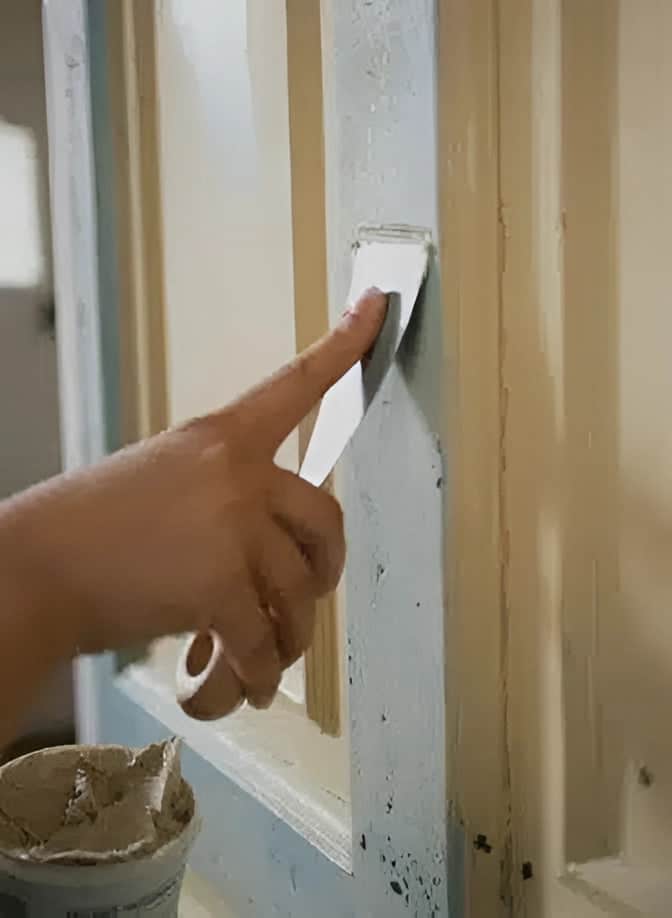
Tips and Common Mistakes When Applying Epoxy Vapor Barriers
Surface moisture is the most common cause of failure—always test and only coat dry substrates. Avoid thick, uneven application, which can trap air pockets. Working in cool, humid conditions can delay curing; always check the workspace environment before starting. Prudent use of products like “Epoxyprimer” – Universal Water-Based Two-Component Epoxy Floor Primer offers eco-friendly and odourless benefits, especially for indoor applications.
Applying for Indoor and Outdoor Conditions
Choose eco-friendly & odourless primers for indoor projects. For exterior surfaces or vertical applications, select products with proven UV and weather resistance. Ensure conditions meet minimum temperature guidelines for proper curing and performance.

- "Epoxyprimer" – Universal Water-Based Two-Component Epoxy Floor PrimerPrice range: £156.45 through £286.45Epoxyprimer is a water-based two-component epoxy floor primer designed for reliable adhesion on concrete, tiles, wood, and screeds.
- "Magelstick" – Epoxy Mastic for Stone, Metal, and Cement Bonding and Grouting"Magelstick" Epoxy Mastic is designed for professional bonding and grouting of stone, metal, and cement with a focus on precise restoration.
Frequently Asked Questions
Do I need a primer before applying an epoxy vapor barrier?
A primer is recommended to ensure maximum adhesion and a stable base, especially on porous or absorbent surfaces.
How long should I wait before installing flooring over an epoxy vapor barrier?
Allow 24–48 hours for the epoxy to cure fully, or as directed by the product manufacturer, before installing new flooring.
What are the most common errors when applying an epoxy vapor barrier?
Not preparing the surface properly, applying on a wet substrate, or spreading the epoxy too thickly can cause problems.
Can epoxy vapor barriers be applied on tile or wood floors?
Yes, with correct surface preparation. Epoxyprimer is suitable for concrete, tiles, screeds, and timber subfloors.
Is an epoxy vapor barrier safe for indoor use?
When you select an odourless and eco-friendly formulation, it is ideal for indoor spaces and living areas.
How do I seal cracks before applying the epoxy vapor barrier?
Fill joints and cracks with an epoxy mastic such as Magelstick for best results before priming and coating.