 Free shipping on orders over £29,85
  Shipping Tracking!


 Google
 Facebook
← Back to How to use acrylic resin?
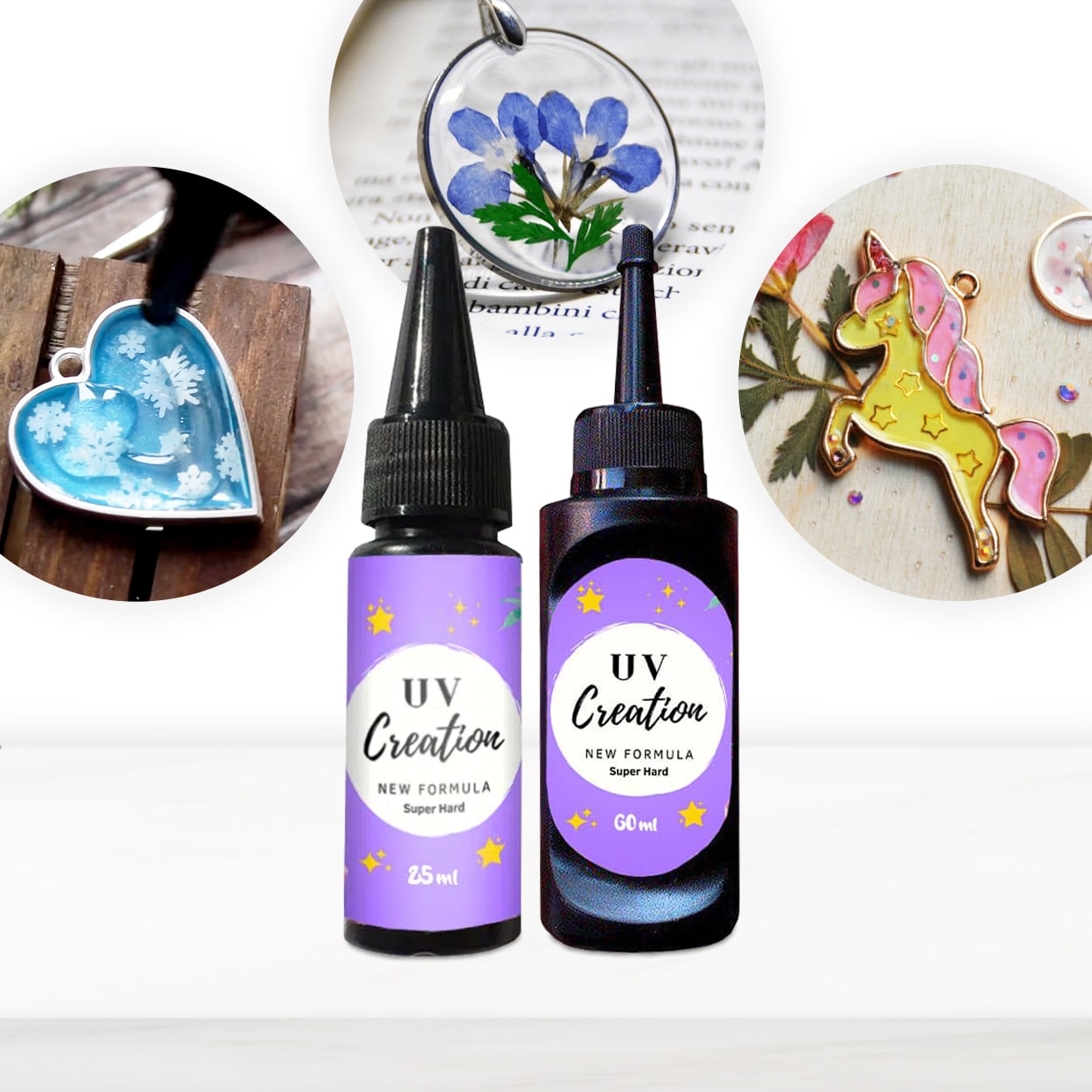
Curing acrylic resin in overly thick layers may be tempting for efficiency, but this approach can cause a range of issues affecting both appearance and durability. Learn why thin, controlled applications deliver the best outcomes for your craft or jewellery work.
Why Thick Layers Can Cause Problems
Acrylic resin is designed to cure efficiently when applied in thin layers, usually no more than 3mm at a time. Attempting to cure thick pours in one go can prevent UV light from penetrating fully, leading to incomplete or uneven hardening. This can trap bubbles, cause soft or sticky patches, and may even result in warping or surface discolouration. Additionally, rapid heat build-up in thick layers poses risks that can compromise the finish and integrity of your project.
How to Layer Acrylic Resin Properly
For best results, pour the resin in thin increments and use a suitable UV lamp, such as the 21 LED UV Torch for Fast Acrylic Resin Curing, to ensure thorough and even curing. Allow each layer to set before adding the next, which maintains clarity and reduces defects. Products like “UV–Creation” Fast Acrylic Resin are formulated for fast curing in layers up to 3mm, making them ideal for jewellery and detailed crafts.
When This Matters Most
This advice is particularly important when making items that require a flawless appearance, such as pendants, charms, or decorative reliefs. Artists using detailed moulds or working with polymer clay should pay close attention to the layer thickness to avoid imperfections that are difficult to correct once cured.
Related products
Related guides
By taking the time to build your acrylic resin project in thin, well-cured layers, you’ll achieve clear, strong, and beautiful results. For more tips on working with acrylic resin, return to our main guide on using acrylic resin.