 Free shipping on orders over £29,85
  Shipping Tracking!


 Google
 Facebook
← Back to How to Pot Electronics?
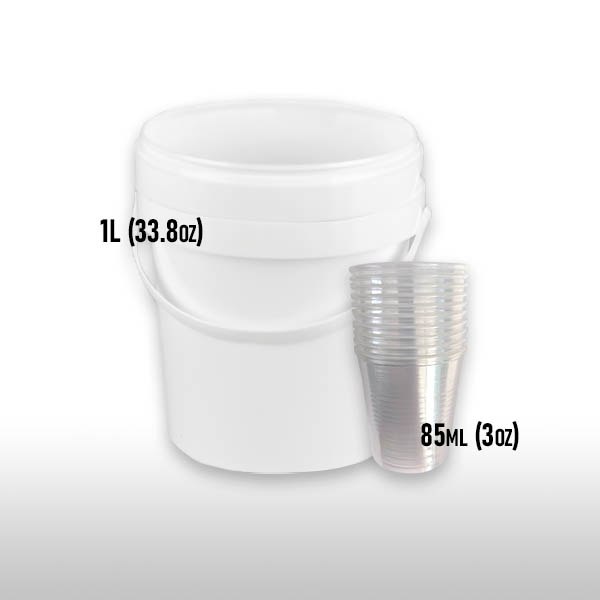
Careful mixing is the foundation of successful electronics potting. Stirring resin too quickly can introduce excess air, leading to bubbles that may compromise the protective qualities of your potting compound.
Why Air Bubbles Matter in Electronics Potting
Air bubbles trapped in resin can create weak spots or pathways for moisture, risking long-term reliability of electronic assemblies. Ensuring a slow and steady mixing motion helps you limit the chance of introducing unwanted air, resulting in a smoother, clearer pour that better protects your components.
How to Mix Resin Slowly and Effectively
Use a flexible, clean container such as the Mixing Buckets Kit for Epoxy Resin Art. Add your resin and hardener together, then stir with a flat paddle. Move the paddle around the sides and base using gentle, deliberate motions. Avoid whipping or vigorous stirring. If you need to dose small amounts, try using silicone dropper pipettes for greater control.
Tips for Further Minimising Air Entrapment
- Allow the mixed resin to sit for a few minutes before pouring to let surface bubbles rise and pop naturally.
- Consider briefly passing a heat gun at a low setting over the surface after pouring, taking care to avoid overheating delicate electronics.
- For stubborn surface bubbles, lightly misting with isopropyl alcohol can help achieve a clearer finish.
When This Matters Most
Slow mixing is crucial for potting sensitive or high-value electronics, where even minor air gaps can affect protection or cause product failure. For hobby or low-voltage projects, it still helps maintain appearance and durability.
Related products
Related guides
Paying attention to your mixing method can dramatically improve the quality of your electronic potting work. For more practical advice, see our full guide on how to pot electronics.