 Free shipping on orders over £29,85
  Shipping Tracking!


 Google
 Facebook
← Back to How do you remove epoxy paint?
If you’re planning to remove epoxy paint, you may wonder whether harsh chemical strippers are truly necessary. In most cases, safer and simpler alternatives will do the job effectively, especially for home projects.
Manual Methods: The Preferred Solution
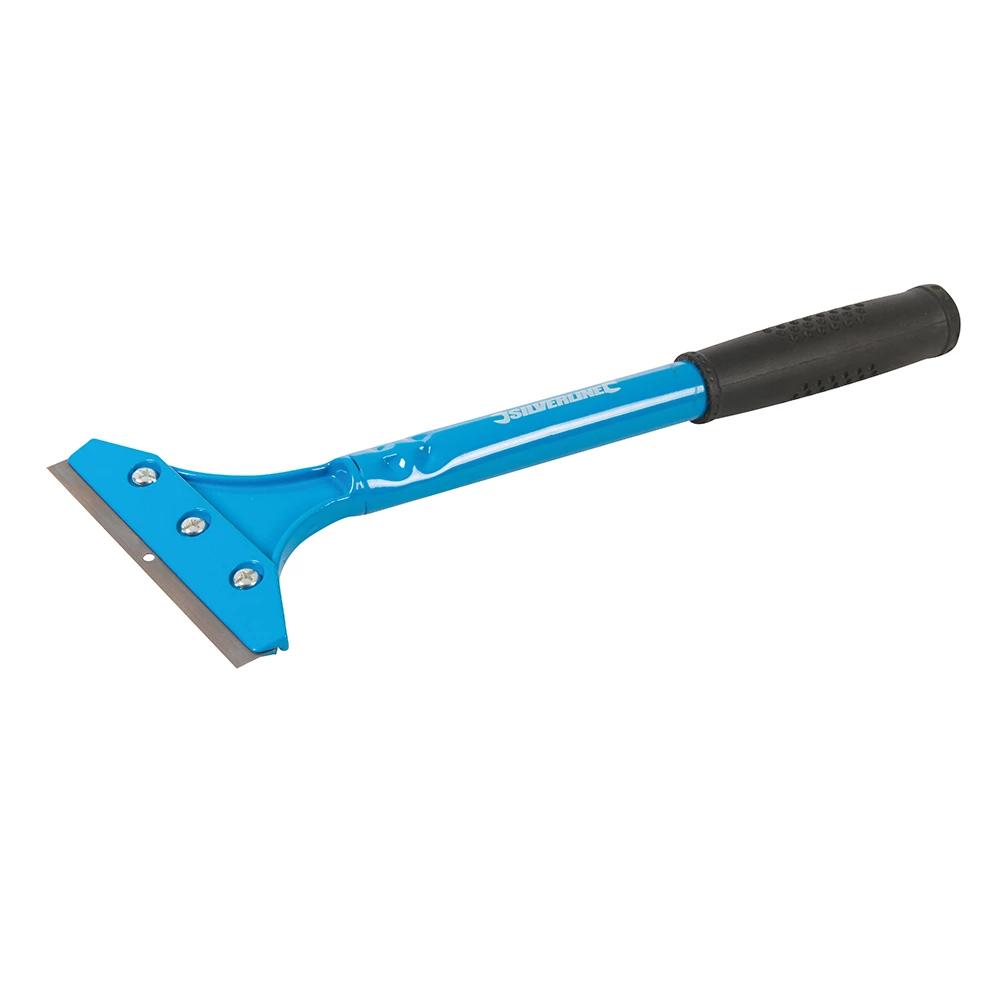
Epoxy paint is tough, but it can usually be removed with manual tools and a bit of patience. A Heavy Duty Scraper provides precise control when scraping away epoxy coatings from various surfaces. For windows and smooth surfaces, a specialised scraper with replaceable blades can help avoid scratches while achieving a clean result.
- Opt for a scraper with a sharp, durable blade for best results.
- Work systematically, applying firm but careful pressure.
- Always follow up with gentle cleaning to remove any fine residue.
Gentle Solvents and Natural Alternatives
When residue remains or a little extra help is needed, gentle solvents or natural cleaners can complete the task. Products such as a 100% natural degreaser are suitable for most surfaces, offering an alternative to aggressive chemical removers. These tend to be kinder on both your workspace and your skin, and are effective for removing grease, silicone, adhesive, and minor epoxy spots.
When Might Chemical Strippers Be Needed?
The use of chemical strippers is generally only required for very large areas with thick or multiple layers of epoxy, or when manual methods are not practical. For most home or DIY jobs, starting with a scraper and progressing to mild solvents tends to be enough, without exposing yourself or your surroundings to harsh chemicals.
Related products
Related guides
For the majority of household epoxy paint removal projects, manual tools and non-aggressive cleaning solutions provide a safe, effective approach. If you’d like to learn more about removing epoxy paint as a whole, visit our main guide on epoxy paint removal.