 Free shipping on orders over £29,85
  Shipping Tracking!


 Google
 Facebook
← Back to How do you remove epoxy paint?
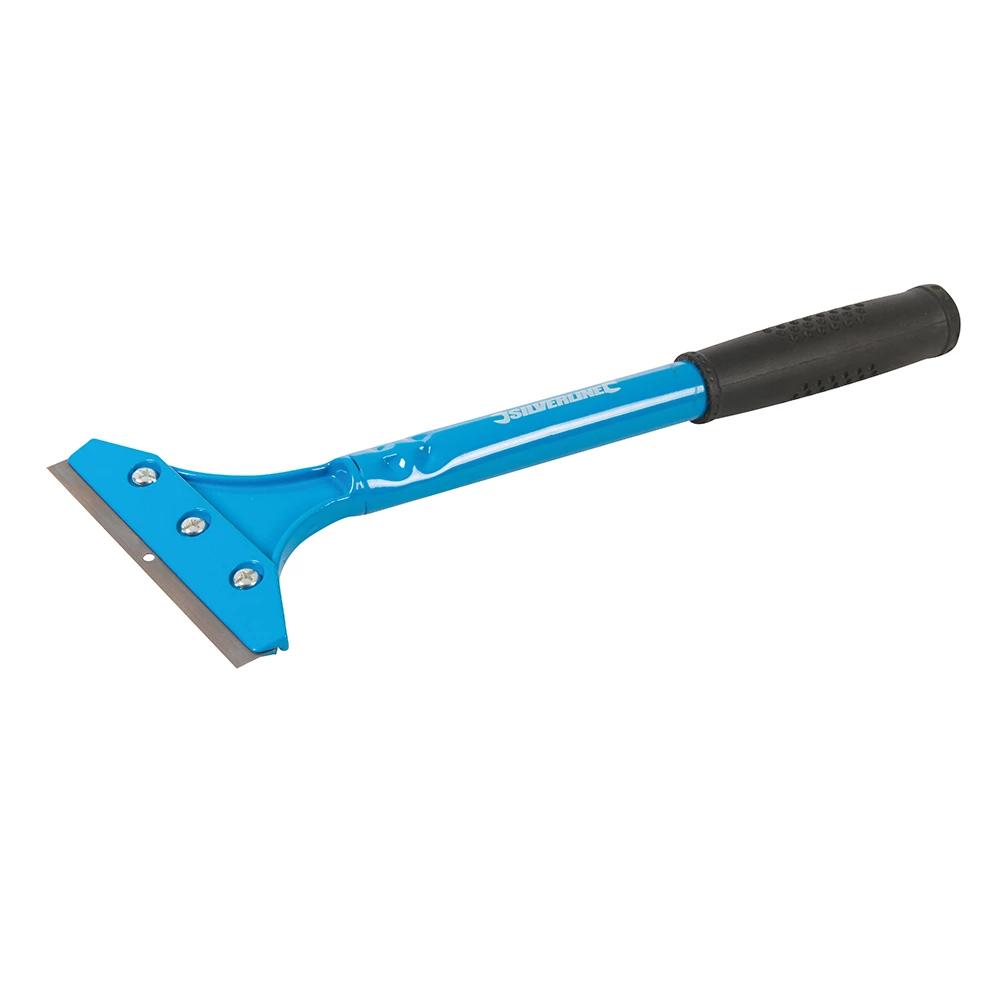
When tackling the removal of epoxy paint, one major concern is scratching the surface beneath. By choosing the right approach and tools, you can minimise the risk of damage and achieve effective results.
Select the Right Scraper for the Surface
Your choice of tool plays a vital role in preventing scratches. Always opt for a dedicated scraper with a sharp, replaceable blade, like the Scraper for Paint & Dry Resin Removal for windows and smooth materials. Sharp edges help lift the epoxy paint efficiently, reducing the temptation to apply excessive force that could cause gouges or marks.
Proper Technique: Gentle Pressure and Blade Maintenance
Work with light, steady strokes rather than heavy-handed scraping. Keep the blade angled shallow against the surface and advance gradually. If you sense resistance or the blade dulls, change it promptly—dull tools increase the likelihood of accidental scratches. Blades like those provided with window scrapers can usually be replaced without tools, making the process quick and safe.
Clean as You Go
Residue and grit trapped between the scraper and surface can create scratches, so keep the area free from dust and epoxy fragments. Wipe the work zone regularly using a soft, damp cloth. For extra care on delicate surfaces, considering a gentle degreaser after scraping can help remove lingering residues with minimal abrasion.
When This Matters Most
Taking precautions is especially important for glass, tiles, or any smooth substrates where minor scratches show easily. These tips are ideal during restoration or preparation for repainting, where surface appearance is crucial.
Related products
Related guides
Removing epoxy paint without scratching demands patience and the right equipment. For a more comprehensive overview of removing epoxy paint safely and efficiently, return to the main guide.