 Free shipping on orders over £29,85
  Shipping Tracking!


 Google
 Facebook
← Back to How do you remove epoxy paint?
When tackling the removal of epoxy paint, prioritising safety is crucial. Always using personal protective equipment (PPE) helps protect you from potential skin irritation, chemical exposure, and accidental injuries during the process.
Essential Protective Equipment for Epoxy Paint Removal
Protective gear minimises risks when dealing with sharp tools and stubborn coatings. Recommended PPE includes:
- Gloves – Shield your hands from chemicals and sharp edges.
- Safety goggles – Prevent splashes or dust from reaching your eyes.
- Face mask or respirator – Filter out fine particles or fumes, especially in poorly ventilated areas.
- Long sleeves and trousers – Reduce the risk of skin contact or abrasion.
Safe Working Practices With Tools and Solvents
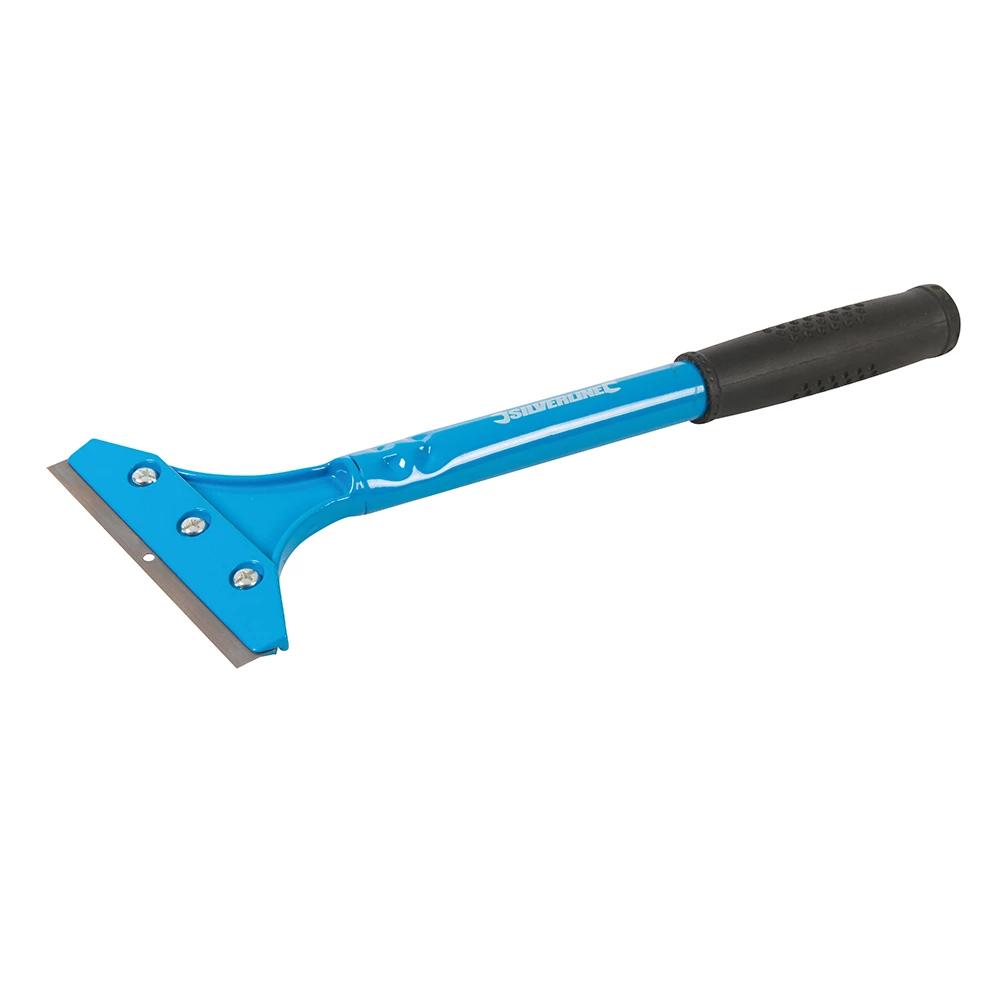
Most epoxy paint removal is performed using manual tools, such as a Heavy Duty Scraper or a metal-blade scraper. These sharp implements can cause injury if mishandled or if PPE is not worn. If you use cleaning agents or degreasers, select products that are suitable for your surface and always follow the safety instructions. Work in a well-ventilated area to avoid inhaling fumes and ensure your PPE is in good condition before starting.
When PPE Really Matters
PPE is especially important when scraping hard resin layers, handling potentially irritating degreasers, or removing paint from awkward or overhead spots where debris might fall. Even when working on small projects at home, minor accidents can occur unexpectedly; the right protective equipment provides invaluable peace of mind.
Related products
Related guides
Making personal protective equipment a priority ensures safer, more confident work when removing epoxy paint. For further practical advice and recommended tools, see our complete guide to epoxy paint removal.