 Free shipping on orders over £29,85
  Shipping Tracking!


 Google
 Facebook
← Back to How to prepare two-component epoxy putty?
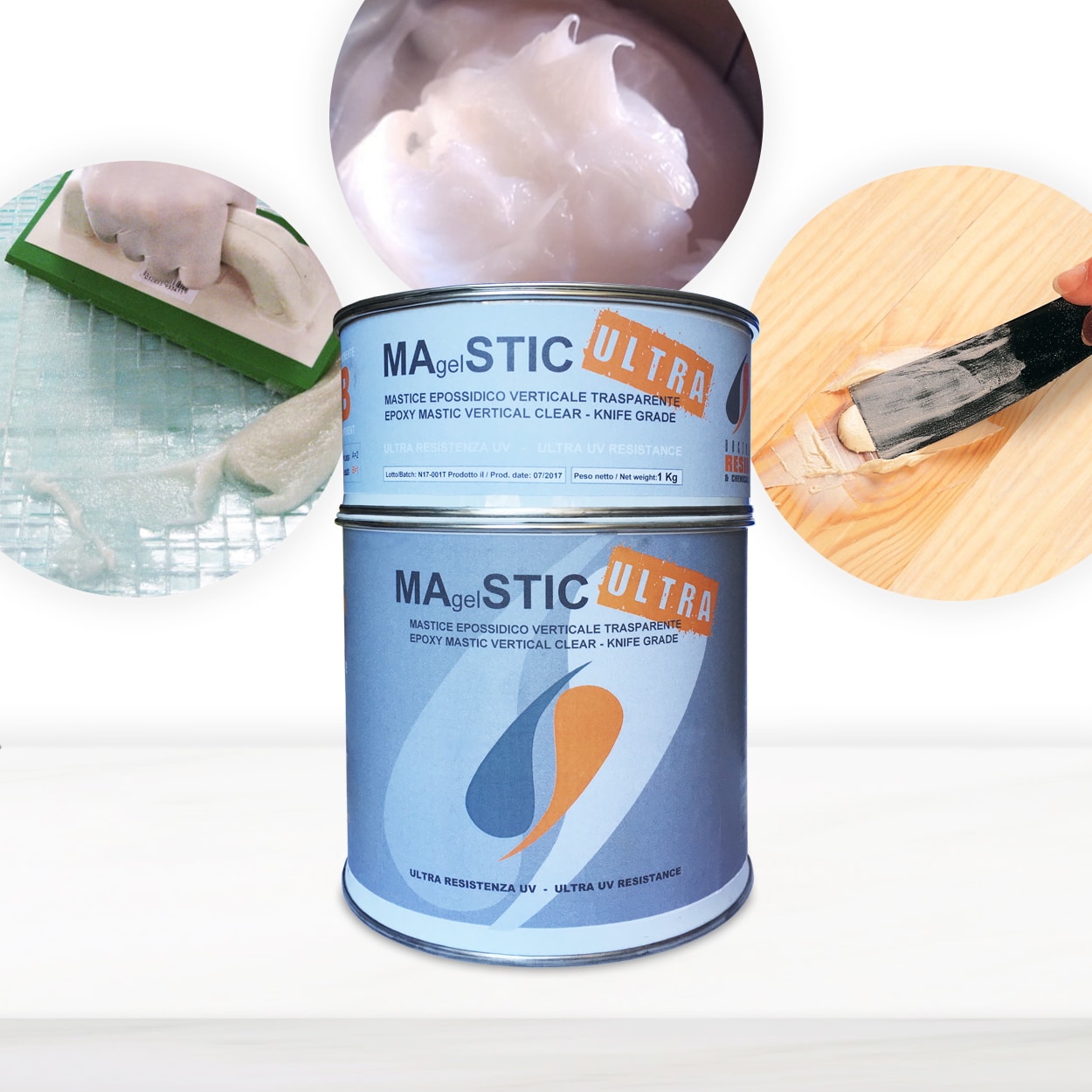
Two-component epoxy putty is a truly versatile adhesive and repair solution, but it’s important to match the product to your chosen surface for strong, lasting results.
Typical Compatible Surfaces
Most two-component epoxy putties are designed to bond effectively to a wide range of materials. Common compatible surfaces include:
- Natural and artificial stone (granite, marble, tiles)
- Metals (steel, aluminium, brass, iron)
- Cement and concrete surfaces
- Certain plastics
- Glass and ceramics
- Wood (hard and soft varieties)
Always check your product specification before use. For example, Magelstick Epoxy Mastic is crafted for robust bonding and grouting on stone, metal, and cement. Products such as Klebfix or FixExpress are ideal for smaller objects, including plastics, glass, and wood repairs.
Preparing the Surface for Best Results
Preparation is crucial to achieving a reliable bond. Begin by ensuring each surface is clean, dry, and free from dust, grease, and old adhesive residues. For smooth materials such as metal or glass, slightly roughening the area with fine sandpaper can improve adhesion. Observe temperature guidelines, as most epoxy putties require an ambient temperature above 10°C for proper curing.
When Versatility Matters Most
Epoxy putty’s adaptability is especially useful during renovations, repairs in mixed materials, or when restoring decorative items. If you regularly need to bond different surfaces, having a suitable two-component epoxy on hand ensures you can handle tasks ranging from masonry to woodwork.
Related products
Related guides
With careful selection and correct surface preparation, two-component epoxy putties can tackle various bonding challenges. Learn more about optimal preparation on our main guide.