 Free shipping on orders over £29,85
  Shipping Tracking!


 Google
 Facebook
How to regenerate a resin sink?
Step-by-step guide to restore shine and durability


Regenerating a resin sink can transform a tired, scratched, or dull surface into a feature that looks freshly installed. Whether your resin sink has suffered scratches, lost its gloss, or looks generally worn, this guide walks you through the best methods for restoration, from cleaning and polishing to surface refinishing. With careful attention to each step, you can rejuvenate the appearance and function of your sink without replacing it.
What You’ll Need
- Strong Technical Degreaser for Resin Projects – 100% Natural Formula – for safe but thorough cleaning
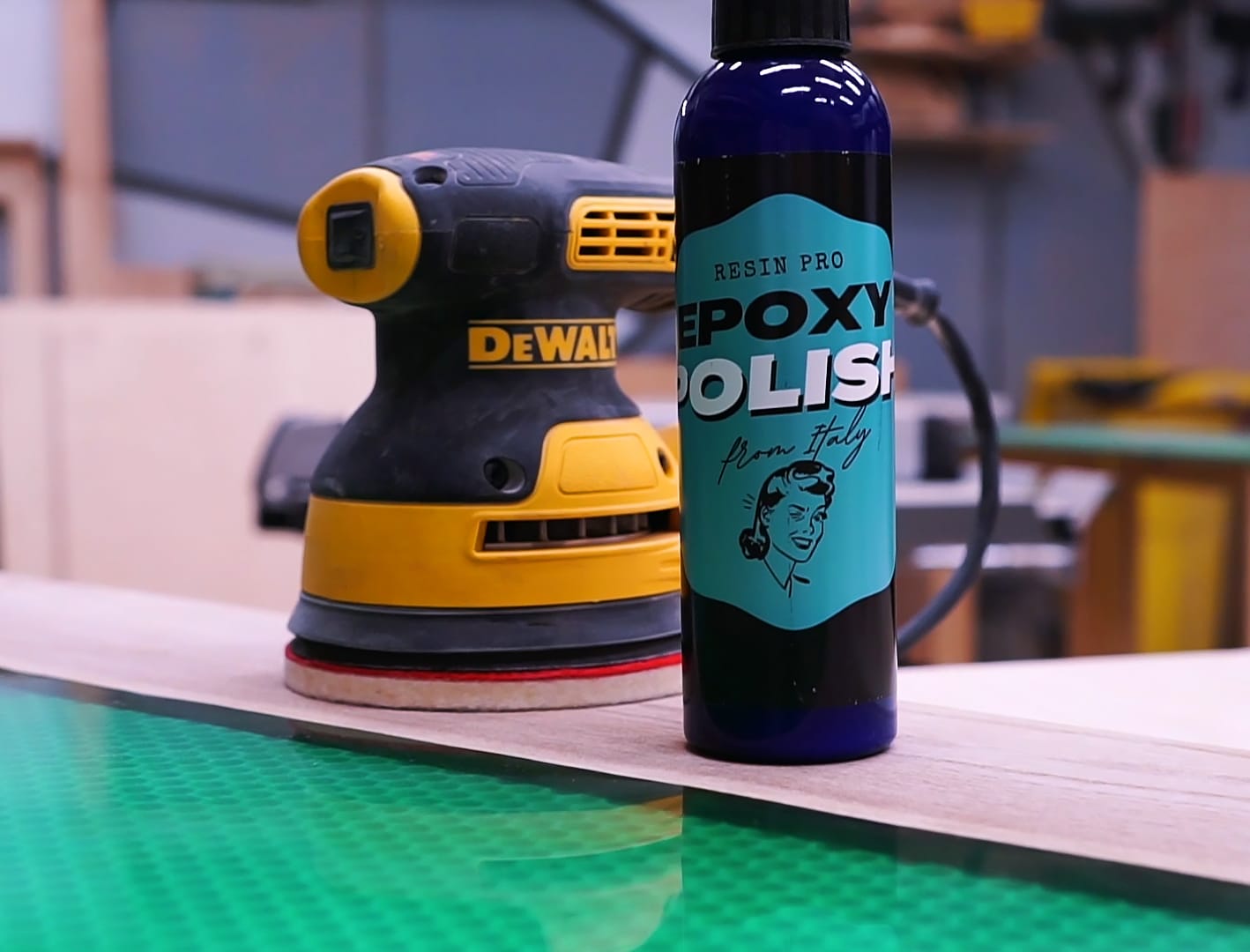
- “Epoxy Polish” – Epoxy Resin Polishing System – to restore gloss and remove minor scratches
- Non-abrasive soft sponges or cloths
- Sanding pads or waterproof abrasive paper (multiple grits if polishing by hand)
- Protective gloves
- Epoxy resin kit (as required for resurfacing), e.g., a clear coat or a suitable finish

Key Stages of Resin Sink Restoration
Visualising your workflow: See the transformation – from thorough cleaning, through sanding and polishing, to a sparkling, renewed finish. A methodical approach ensures consistent, professional results when restoring resin sinks.

Step 1: Clean and Prepare the Sink
Thorough preparation is crucial to achieve the best results in regenerating your resin sink. Remove all items from the sink area and rinse away loose dirt or residue. For a deep, effective clean, use a gentle cleaner designed for resin surfaces. Avoid harsh chemicals or abrasive scouring pads, which can worsen existing marks.
Applying the Strong Technical Degreaser for Resin Projects – 100% Natural Formula is ideal as it removes grease, silicone, and other stubborn residues without damaging the resin or surrounding materials. Work in a well-ventilated space and rinse thoroughly with water after degreasing. Gentle cleaning avoids further damage and gives you a pristine surface for the next steps.
Step 2: Remove Scratches and Dullness
If your sink has superficial scratches or has become dull, these can often be remedied with careful polishing. Begin with a fine-grit sanding pad or waterproof abrasive paper, working gently over the affected areas in circular motions. Always keep the surface slightly wet while sanding to prevent deeper scratches. Remove all dust and let the area dry.
Once the scratches are reduced and the surface feels smooth, polish the area using the “Epoxy Polish” – Epoxy Resin Polishing System. This is specially formulated for epoxy resin and is effective in restoring a mirror-like gloss. Apply a small amount of polish with a soft pad or microfibre cloth, buffing evenly over the entire sink. Even polishing yields the best results; avoid concentrating too long on any spot to prevent streaks.
Step 3: Reseal or Refinish the Surface (If Required)
If deep scratches, heavy wear, or colour loss remain visible after polishing, resurfacing with an epoxy resin layer may be necessary. Begin by ensuring the surface is absolutely dry and free of dust or residue. Mask off tapware and drain areas to protect them.
For the best outcome, use an epoxy resin designed for clear, thin layers, such as “Trasparente” – Multipurpose Clear Epoxy Resin for Casting – Up to 2cm. Mix and apply the resin according to the manufacturer’s instructions in a thin, self-levelling layer. Allow full curing as directed before using the sink again. Surface must be fully dry to avoid cloudy effects or adhesion issues.

Step 4: Final Buff and Ongoing Care
Once any new resin coating has cured completely, conduct a final light buff with a clean, non-abrasive cloth to bring up the shine. For regular care, clean with non-scratch cleaners and avoid dropping heavy or sharp objects in the sink. This will help keep your finish pristine for longer.
Tips and Troubleshooting
- Test a discreet area first when using any polish or cleaner, checking for unexpected reactions.
- Avoid abrasive scouring pads during both daily cleaning and restoration steps, as these can worsen damage.
- Do not pour resin thicker than recommended; exceeding the limit can cause overheating and curing issues.
- Allow proper curing time before exposing the sink to water or heavy use.
- If the finish looks cloudy, keep buffing with a fresh cloth and ensure no residue is left behind.
Expert Advice for Best Outcomes
Professional tips make a difference: Take your time, follow each preparation and application step carefully, and pay attention to surface dryness and cleanliness at every stage for optimal resin sink regeneration.

- Strong Technical Degreaser for Resin Projects – 100% Natural FormulaOriginal price was: £10.95.£9.45Current price is: £9.45.This natural degreaser is suitable for cleaning surfaces and materials commonly involved in resin projects.
- "Epoxy Polish" – Epoxy Resin Polishing SystemPrice range: £18.95 through £47.45Epoxy Polish is designed to restore and enhance the glossy finish of resin surfaces with ease.
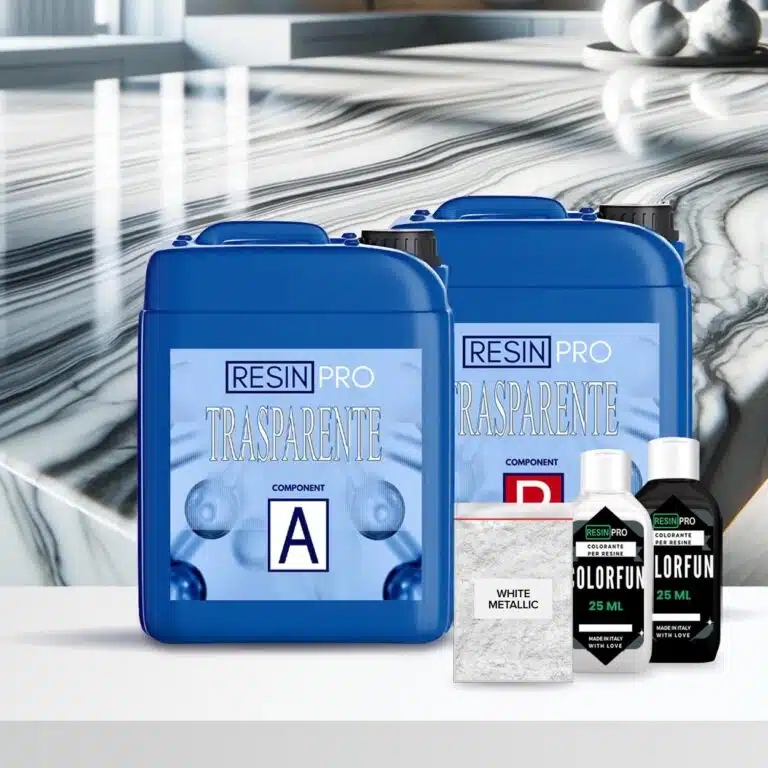 "Stone Effect Collection" – Marble Epoxy Resin Countertop KitPrice range: £57.95 through £272.95The Stone Effect Collection kit suits transforming old worktops with professional marble effects and durable resin finishes.
 "Trasparente" – Multipurpose Clear Epoxy Resin for Casting – Up to 2cmPrice range: £8.95 through £397.95"Trasparente" is a clear epoxy resin suitable for layers up to 2cm, designed for detailed castings and various woodworking and restoration projects.
Frequently Asked Questions
Can I use abrasive cleaners to regenerate a resin sink?
Abrasive cleaners are not recommended for resin sinks, as they can cause additional scratches and make restoration more difficult.
How can I fix a dull or cloudy resin sink?
After thorough cleaning, polish with a suitable epoxy polish system to restore the original gloss and transparency.
What causes a cloudy finish after resurfacing a resin sink?
Cloudiness usually results from moisture, dust, or improper buffing. Ensure the surface is completely dry and use clean pads.
How long should resin cure before using a regenerated sink?
Wait for the full cure time stated by the resin manufacturer, usually 24–48 hours, before using the sink with water or heavy objects.
Can I recolour a faded resin sink?
Resurfacing with pigmented epoxy is required for recolouring. Follow all surface prep and application steps for even colour.
Do I need professional help to refurbish a resin sink?
Most minor regeneration tasks can be managed at home with suitable products and patience, but extensive damage may require expert repair.
What is the best way to maintain a resin sink after regeneration?
Use soft sponges and gentle cleaners for regular cleaning. Avoid harsh impacts and abrasives to preserve the restored finish.