 Free shipping on orders over £29,85
  Shipping Tracking!


 Google
 Facebook
← Back to How do you apply resin to make a statue?
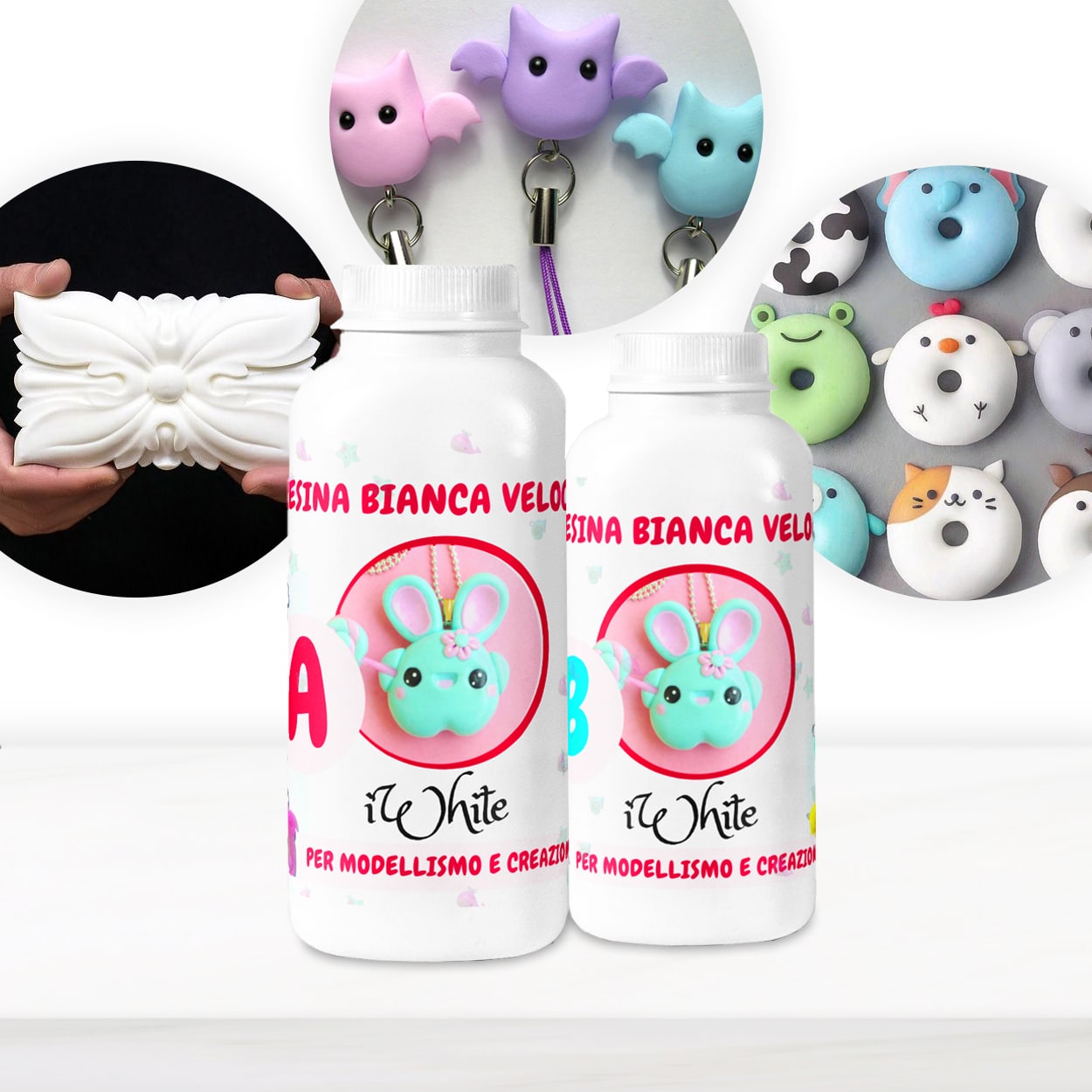
Creating statues with intricate detail begins with choosing the right mould. The correct mould is the foundation for capturing delicate features and ensuring a crisp, professional result with resin casting.
What Makes a Mould Suitable for Fine Detail?
To reproduce fine characteristics, opt for moulds made from flexible materials such as silicone. Silicone moulds are known for their elasticity and non-stick properties, which allow even the most delicate undercuts and textures to be released without damage. Look for high-quality, smooth-finished moulds with robust support to prevent warping during the resin pour. If your design has a lot of tiny features or relief, select a mould that’s both thin enough to capture details and sturdy enough to hold its shape.
Practical Guidance: Matching Resin and Mould
The fluidity of your resin matters as much as your mould’s quality. Resins like IWhite Polyurethane Casting Resin or Polyform are specifically formulated to flow into intricate mould features, helping to minimise bubbles and ensure a clean finish. When pouring, work slowly and gently vibrate or tap the mould to help the resin settle into all the details. Ensure the mould is clean and, if reusing, check for wear or residue that could affect detail transfer.
When This Matters Most
Choosing a detail-capturing mould is essential for artists, model makers, or anyone casting figurines, prototypes, or bespoke sculptures. High-detail moulds are particularly important for pieces where noticeable features—like facial expressions or textures—are a focal point.
Related products
Related guides
The right mould and compatible resin make all the difference in showing off your sculpting skills. For more resin statue-making tips, return to our main guide on how to apply resin to make a statue.