 Free shipping on orders over £29,85
  Shipping Tracking!


 Google
 Facebook
How do you resin seal ATEX locking joints?
A step-by-step guide to airtight and secure joint sealing


Ensuring a precise resin seal on ATEX locking joints is vital for maintaining safety, compliance, and long-term performance in hazardous environments. This guide will walk you through the critical steps for achieving a professional, reliable seal, minimising leaks and upholding ATEX standards on your installations.
What You’ll Need
- “Klebfix” – Two-Component Fast Epoxy Glue 2K, 25g Syringe: A fast-setting adhesive for robust bonding on plastics, metals, or glass in precision joints.
- “FixExpress” – Two-Component Epoxy Glue 500g: Ideal for strong, rapid sealing where higher volumes or multiple joints are involved.
- Isopropyl alcohol and lint-free cloths for cleaning joints before sealing.
- Protective gloves and eye protection for safe handling of resins and adhesives.
- Fine applicator tips or syringes for accurate placement of resin in tight spaces.

Essential Tools and Workspace Setup
Lay out all required materials and tools within easy reach before starting the resin sealing. Organise your workspace for safety and efficiency, prioritising good lighting and ventilation.
Wearing gloves and protective eyewear minimises the risk of direct contact with adhesives. Have disposal materials ready for cleaning up any spills promptly.

Step 1: Prepare and Clean the Joint Surfaces
Ensure all surfaces are clean and dry before starting. Remove dust, grease, or contaminants using isopropyl alcohol and a lint-free cloth. Thorough cleaning is critical to prevent adhesion failures, leaks, or reduced chemical resistance in ATEX-rated joints.
Inspect the locking joints for damage, corrosion, or debris. Address any repairs prior to applying resin sealant to guarantee a consistent, airtight bond.
Step 2: Mix and Prepare the Epoxy Resin or Adhesive
Select the most suitable epoxy product based on your joint material and sealing need. For most ATEX locking joints, a two-component epoxy such as Klebfix offers fast curing and robust adhesion. If more working time or volume is required, consider FixExpress.
Mix resin or epoxy adhesive thoroughly in the manufacturer’s recommended ratio (typically 1:1 for these systems). Proper mixing is essential for optimal curing and maximum joint integrity.
Prepare just enough product for immediate use, as working times are short—usually around five minutes. Use precision applicator tips to minimise waste and ensure control.
Step 3: Apply Resin Sealant to the Locking Joint
With your joint surfaces ready and resin mixed, use precision tools for accurate resin application. Apply a narrow, continuous bead of resin directly into the locking joint channel or over contact surfaces, ensuring complete coverage without air pockets.
For hard-to-reach or intricate locking mechanisms, a syringe or small brush may help deliver resin exactly where needed. Work carefully but swiftly within the available working window before the resin begins to set.
Press or lock the joint as required before the resin cures, maintaining alignment and contact pressure throughout the setting time.

Step 4: Curing and Post-Sealing Checks
Allow the resin to set undisturbed; most fast-cure epoxies such as those listed above harden within five minutes. Allow the resin to cure completely before stressing the joint or exposing it to vibration, pressure, or hazardous substances.
After full curing, visually inspect the joint for any missed areas or surface defects. If necessary, apply a secondary sealing pass to cover pinholes or exposed sections. Test the finished seal in accordance with your ATEX compliance procedures to confirm integrity.

Tips, Common Mistakes, and Troubleshooting
Plan all steps in advance, as rapid-setting resins require efficient workflow. Avoid delays between mixing and application to prevent premature hardening. Common mistakes include insufficient surface cleaning, improper resin ratio, or air entrapment—each can compromise the durability and safety of the seal. Always use appropriate personal protective equipment when handling chemicals and consult technical data sheets if in doubt about compatibility or use conditions.
Visual Inspection and Quality Assurance
Examine your sealed joints after curing. Use magnification or adequate lighting to catch missed spots or trapped bubbles. Any imperfections should be repaired with a careful touch-up of compatible resin.

- "Klebfix" – Two-Component Fast Epoxy Glue 2K, 25g Syringe£24.00KLEBFIX 2K Fast Epoxy Glue is suitable for demanding repairs on various materials, aligning with the resin sealing theme.
- "FixExpress" – Two-Component Epoxy Glue 500g£26.95"FixExpress" two-component epoxy glue provides rapid repairs and strong adhesion suitable for diverse material bonding in a professional setting.
- "EpoxyFood" – Certified Clear Food Contact Epoxy Resin for CoatingPrice range: £20.95 through £146.95"EpoxyFood" is a certified clear food-safe epoxy resin suitable for safely coating plates and boards with a transparent finish.
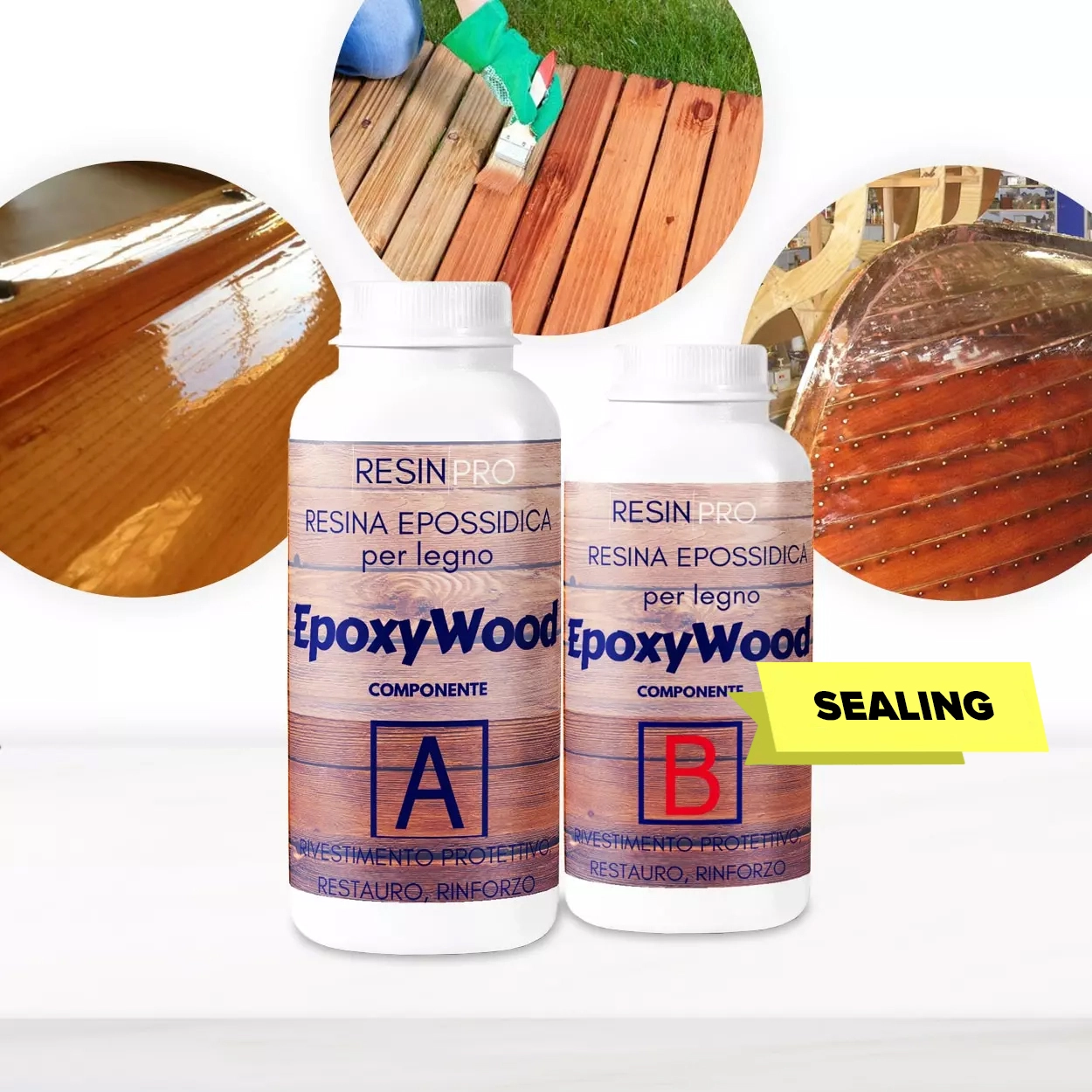 "EpoxyWood" – Wood Restoration Epoxy Resin for Deep Penetration and WaterproofingPrice range: £27.95 through £41.95EpoxyWood is a wood restoration epoxy resin designed for deep penetration and waterproofing, suitable for repairing and protecting wooden surfaces.
Frequently Asked Questions
Which epoxy resin or adhesive is best for sealing ATEX locking joints?
A two-component fast epoxy glue or professional-grade adhesive is recommended for secure, rapid sealing in ATEX joints.
How long does resin or epoxy sealant need to cure before placing a joint under stress?
Most fast-setting epoxies cure within five minutes, but always allow full curing before applying any load or pressure.
Do I need to clean ATEX locking joints before applying resin sealant?
Yes, clean and dry surfaces are essential for strong bonding and reliable seal performance in demanding environments.
What personal protective equipment is recommended when resin sealing ATEX rated joints?
Wear gloves, protective eyewear, and ensure good ventilation when working with resins or epoxy adhesives.
What mistakes should I avoid when sealing ATEX locking joints with resin?
Avoid poor surface prep, incorrect mixing ratios, air entrapment, and rushing the application.
How can I verify the resin seal on an ATEX locking joint is secure?
After curing, inspect visually and test per ATEX procedures—check for full coverage and tightness.