 Free shipping on orders over £29,85
  Shipping Tracking!


 Google
 Facebook
← Back to How do you stop resin leaks?
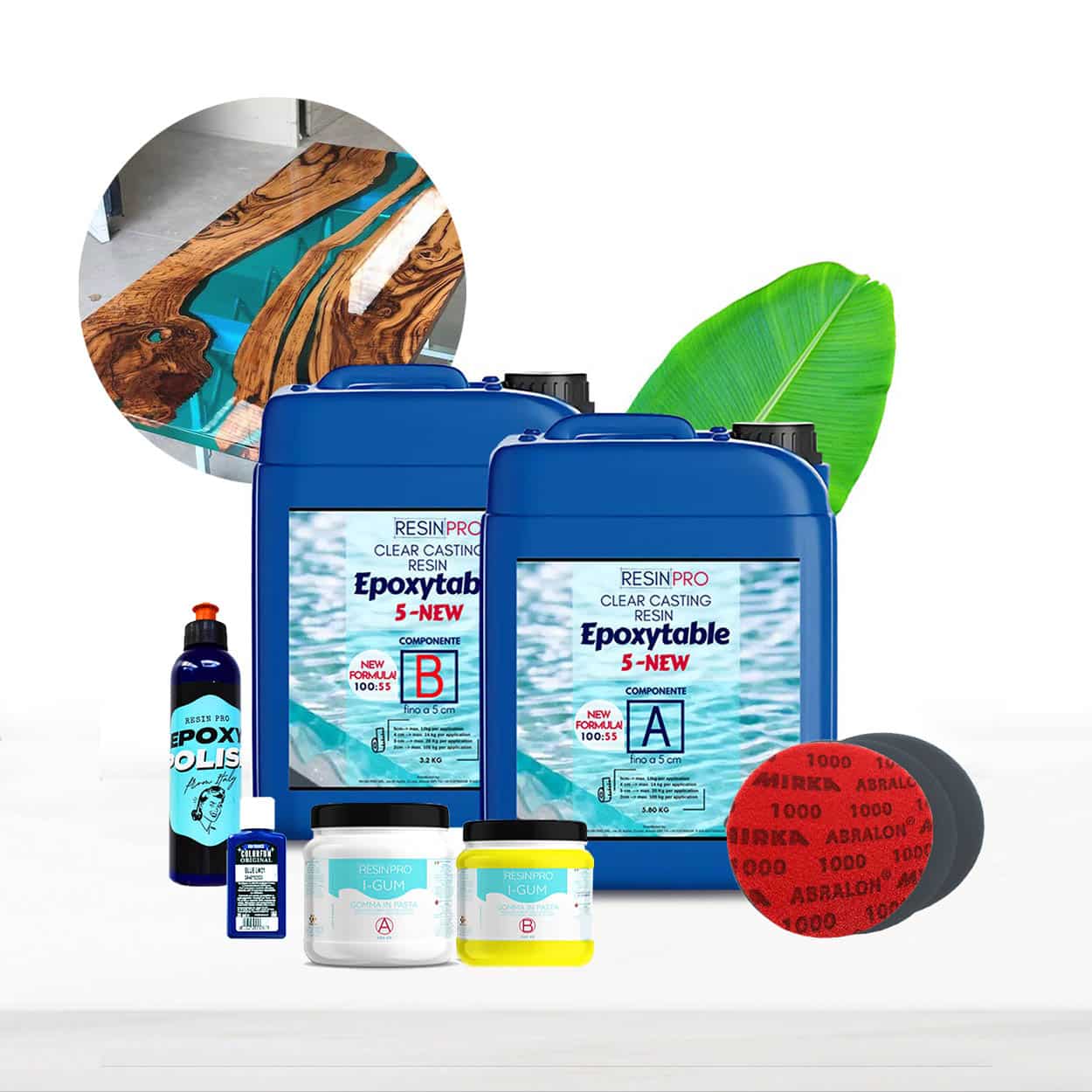
Pacing your resin work and respecting advised layer thicknesses are fundamental for smooth, successful casting. These careful practices are crucial in avoiding unnecessary leaks and ensuring better results, particularly for beginners.
Why Pouring Slowly Matters
Taking your time when pouring resin allows you to monitor the flow and spot any immediate issues, such as gaps in the formwork or the appearance of air bubbles. Rushing increases the risk of overfilling or missing signs of leaks, which can lead to wasted material and a messy project area. Working gradually also makes it easier to control the resin’s placement and helps ensure a more even cure.
The Importance of Recommended Layer Thickness
Each epoxy resin has a maximum advised layer thickness per application—often between 2 and 5 cm depending on the product, such as the “River-Table” Complete Kit. Pouring thicker layers than suggested can cause overheating, uneven curing, or excessive pressure at the formwork edges, all of which may trigger leaks. Stick to the manufacturer’s guidelines and allow each layer to set before adding the next for reliable results.
Practical Preparation and Formwork Tips
- Seal your formwork thoroughly with an appropriate material, such as silicone rubber included in some resin kits, to close off potential leak points.
- Double-check tight corners and seams before pouring, especially for deep casts.
- Mix your resin carefully and avoid trying to rush large projects—multiple pours are often safer and more manageable.
When This Matters
Pacing and proper layering are essential any time you are working with deep pours, large format projects like resin tables, or unfamiliar mould materials. Adhering to best practices reduces risk and minimises costly setbacks.
Related products
Related guides
Paying close attention to speed and layer guidelines goes hand in hand with smart leak prevention strategies. For further advice on tackling resin leaks across various projects, see our full FAQ on how to stop resin leaks.