 Free shipping on orders over £29,85
  Shipping Tracking!


 Google
 Facebook
How to repair a small hole in a plastic resin container?
Clear steps for achieving a watertight, resilient repair every time.


Plastic resin containers are remarkably durable, but even the sturdiest models can suffer nicks or punctures from accidental drops or impact. A small hole might seem like the end of the road for your favourite container—but with the right approach, you can achieve a strong, watertight fix. This guide shows you how to restore integrity and extend the life of your plastic container, whether it’s destined for everyday storage, household projects, or craft applications.
What You’ll Need
- “Klebfix” – Two-Component Fast Epoxy Glue 2K, 25g Syringe: A reliable choice for quick repairs requiring a strong, waterproof bond on rigid plastics.
- “FixExpress” – Two-Component Epoxy Glue 500g: For larger or deeper holes, this rapid-set epoxy delivers durable adhesion on various materials including plastics.
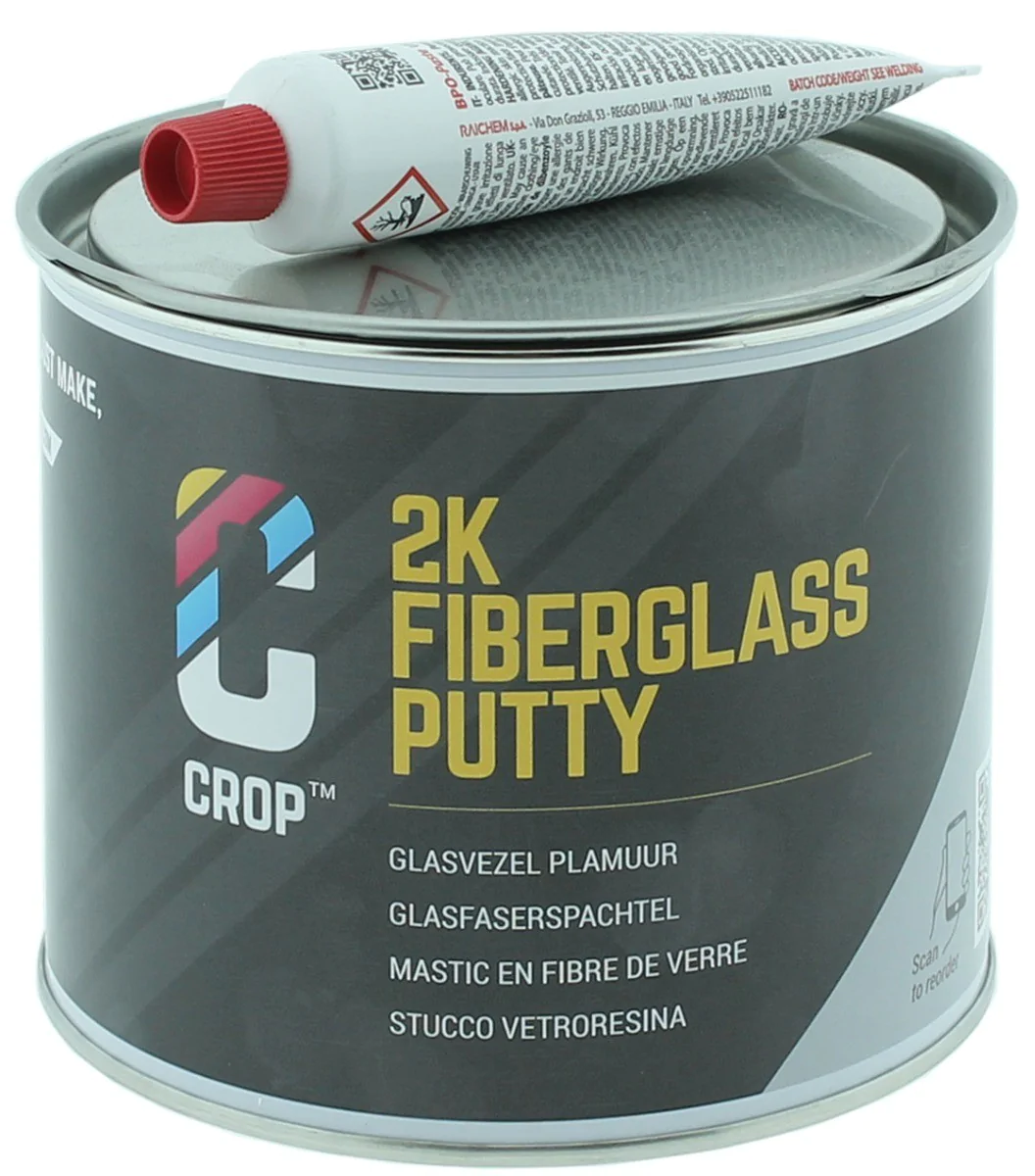
- CROP 2K Fiberglass Putty – 750 ml + Hardener: Ideal for filling and sealing larger cracks or reinforcing repairs.
- Resin Fibreglass Repair Kit – Complete Polyester Resin and Hardener Set: Use when high-strength, waterproof, and impact-resistant restoration is needed—especially for structural or load-bearing containers.
- Fine sandpaper (180–400 grit), mixing stick, gloves, isopropyl alcohol, lint-free cloth, masking tape (optional).

See Step-by-Step Repair Results
Browse before and after examples of plastic resin container repairs. Notice how expert preparation and correct use of adhesives restores both function and appearance.

Step 1: Clean and Prepare the Damaged Area
Cleanliness is critical when repairing plastics. Begin by emptying and thoroughly washing the container. Remove any grease, dust, or debris around the hole using warm soapy water, and let dry completely. Next, lightly sand the area around the hole to dull any glossy finish and create a textured surface for better adhesion. Wipe away sanding residue with a lint-free cloth dampened with isopropyl alcohol. Most adhesives require a dry, residue-free area for optimal bonding, so make sure the surface is spotless and completely dry.
Step 2: Apply the Chosen Repair Material
Depending on the location and size of the hole, select the most suitable repair material from the list above. For very small punctures and precision work, a two-component epoxy glue such as “Klebfix” – Two-Component Fast Epoxy Glue 2K, 25g Syringe offers rapid setting and a transparent, waterproof finish. Mix the adhesive according to the instructions and use a mixing stick or the syringe for precise placement.
For holes up to a few millimetres, you might prefer “FixExpress” – Two-Component Epoxy Glue 500g, which allows you to fill slightly broader gaps. If a reinforcing, load-bearing seal is necessary, opt for CROP 2K Fiberglass Putty – 750 ml + Hardener or the Resin Fibreglass Repair Kit, following all mixing and application guidelines for best results.
Layer the adhesive or putty generously, but avoid overfilling so you don’t create unnecessary bulges. Smooth the repair area with a gloved finger, then clean up any excess immediately.
Step 3: Curing and Finishing the Repair
Allow the repair material to cure at room temperature according to its instructions—which typically ranges from five minutes (initial set) up to 24 hours for full hardness, depending on the product chosen. During this time, keep the container undisturbed, away from moisture and direct sunlight for best adhesion.
If you’ve used putty or a fibreglass kit, once cured, lightly sand the surface with fine sandpaper to blend the patch with the surrounding plastic. Wipe clean again before priming or painting if you wish to restore the original look.
Allow proper curing time before returning the container to use for wet, pressurised, or load-bearing tasks, ensuring a leak-free and resilient repair.
Tips and Common Mistakes When Repairing Plastic Resin Containers
- Always wear gloves and work in a well-ventilated area—epoxies and resins can cause skin and respiratory irritation.
- Avoid applying adhesives to damp, oily, or poorly sanded surfaces, as this weakens the bond.
- Don’t rush sanding or skip drying times between stages; patience leads to a more resilient repair.
- For repairs near built-in seams or corners, consider reinforcing with small strips of fibreglass mat to increase strength.
- Test the container with water after curing, before returning it to full service.
Detailed Repair Demonstrations and Finishing Touches
Watch how professionals blend, sand, and test repaired areas for watertightness and structural integrity on various plastic containers. Finishing details matter for long-lasting results.

- "Klebfix" – Two-Component Fast Epoxy Glue 2K, 25g Syringe£24.00"Klebfix" is a fast-setting two-component epoxy glue designed for professional-strength bonding of plastics and other materials.
- "FixExpress" – Two-Component Epoxy Glue 500g£26.95"FixExpress" offers a rapid two-component epoxy glue suitable for quick repairs and bonding on various materials.
- CROP 2K Fiberglass Putty – 750 ml + Hardener£15.85CROP 2K Fiberglass Putty is suitable for repairs involving cracks and holes, reinforced for strength and durability.
 Resin Fibreglass Repair Kit – Complete Polyester Resin and Hardener SetResin Fibreglass Repair Kit provides structural reinforcement with a fibreglass mat and polyester resin, suitable for various repair tasks.
Frequently Asked Questions
What’s the best adhesive for small holes in resin containers?
A two-component epoxy such as Klebfix or FixExpress provides a strong, waterproof bond that is ideal for small puncture repairs in rigid plastic containers.
How long does epoxy need to cure before use?
Most epoxies set within five minutes and reach full strength in 24 hours. Wait until completely cured before exposing to water or pressure.
How should I prepare the plastic before repair?
Clean, dry, and lightly sand the surface to remove grime and improve adhesion for any repair material.
Can fibreglass putty be used on plastic resin containers?
Yes, fibreglass putties and repair kits are effective for strong, reinforced repairs on rigid plastics, provided surface prep is done correctly.
Can I paint over a repaired hole?
Yes—once the adhesive, putty, or fibreglass has cured and been sanded smooth, you can apply primer and paint if needed.
When should I use a fibreglass repair kit instead of epoxy?
Use a fibreglass kit for structural, large, or load-bearing repairs. Epoxy glue is best for small, shallow holes and quick fixes.