 Free shipping on orders over £29,85
  Shipping Tracking!


 Google
 Facebook
How to use epoxy resin wiki how?
Step-by-step guide to mastering epoxy resin projects at home.
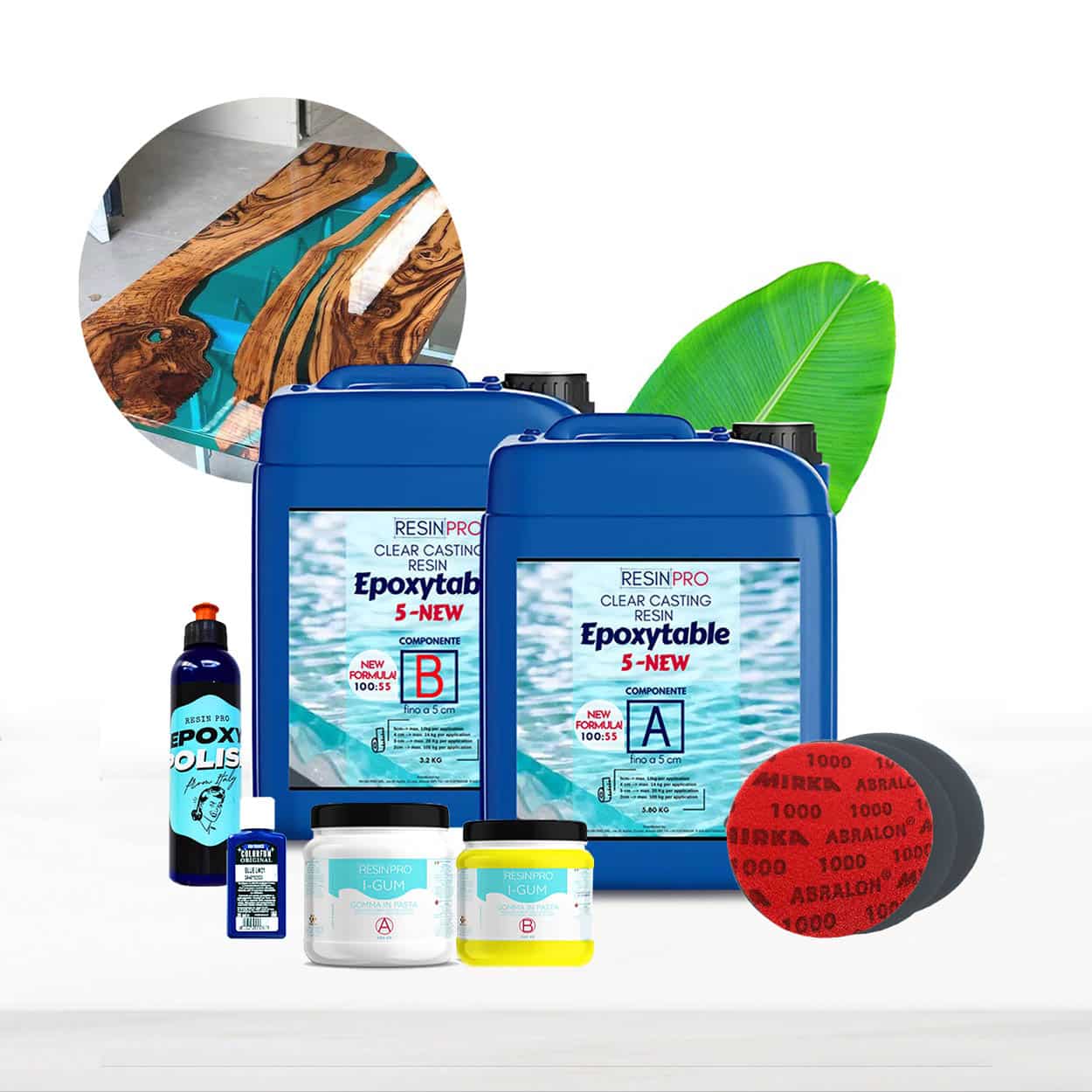
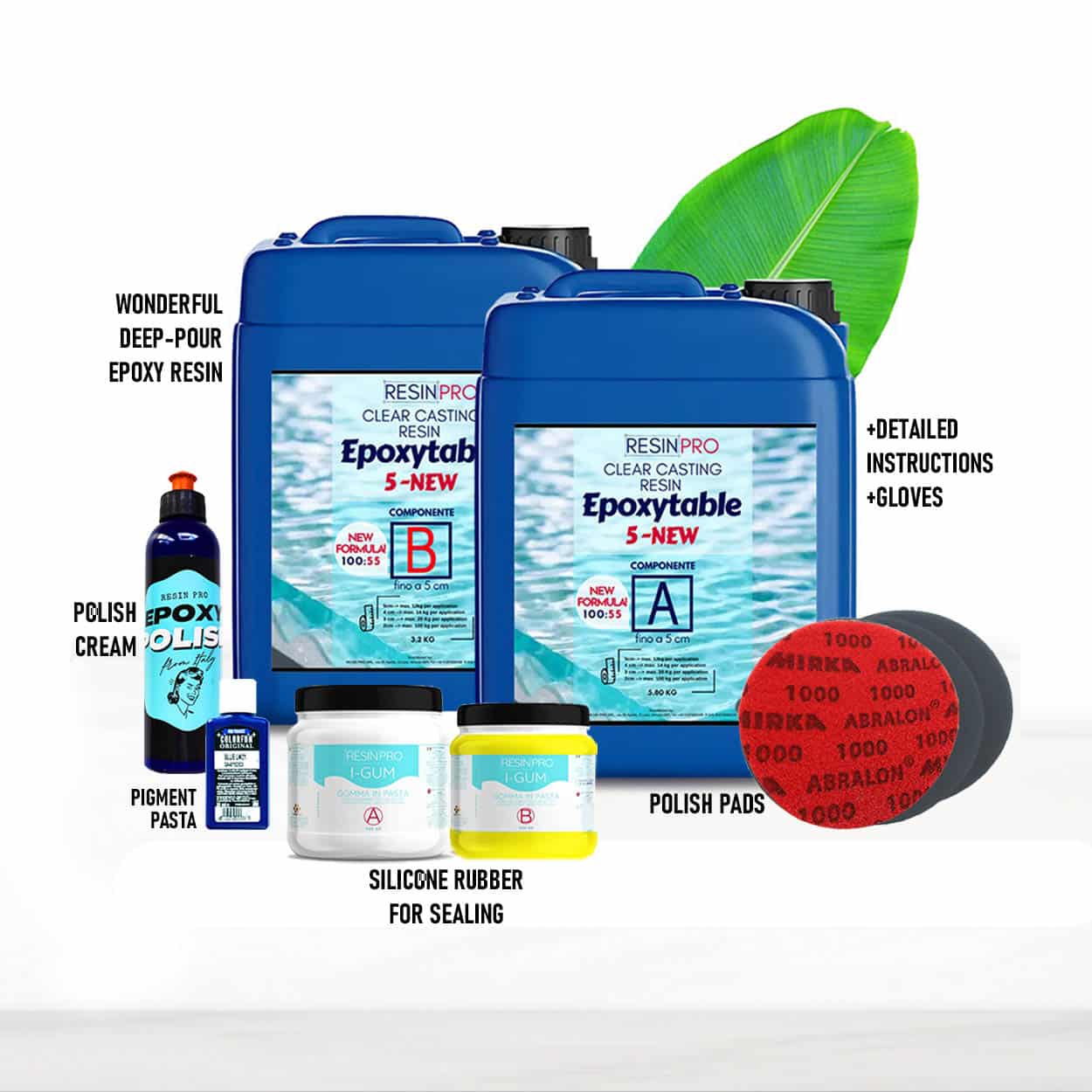
Epoxy resin is a versatile material used for crafts, woodworking, jewellery, and artwork. Whether you’re new to resin or refining your technique, this guide details every stage—planning, mixing, pouring, curing, and finishing—so you can achieve outstanding, long-lasting results in your own projects.
What You’ll Need
- “River-Table” – Complete Kit for Creating Your First Epoxy Resin Table – excellent for larger wood and resin creations, includes resin, pigments, silicone, and polishing tools.
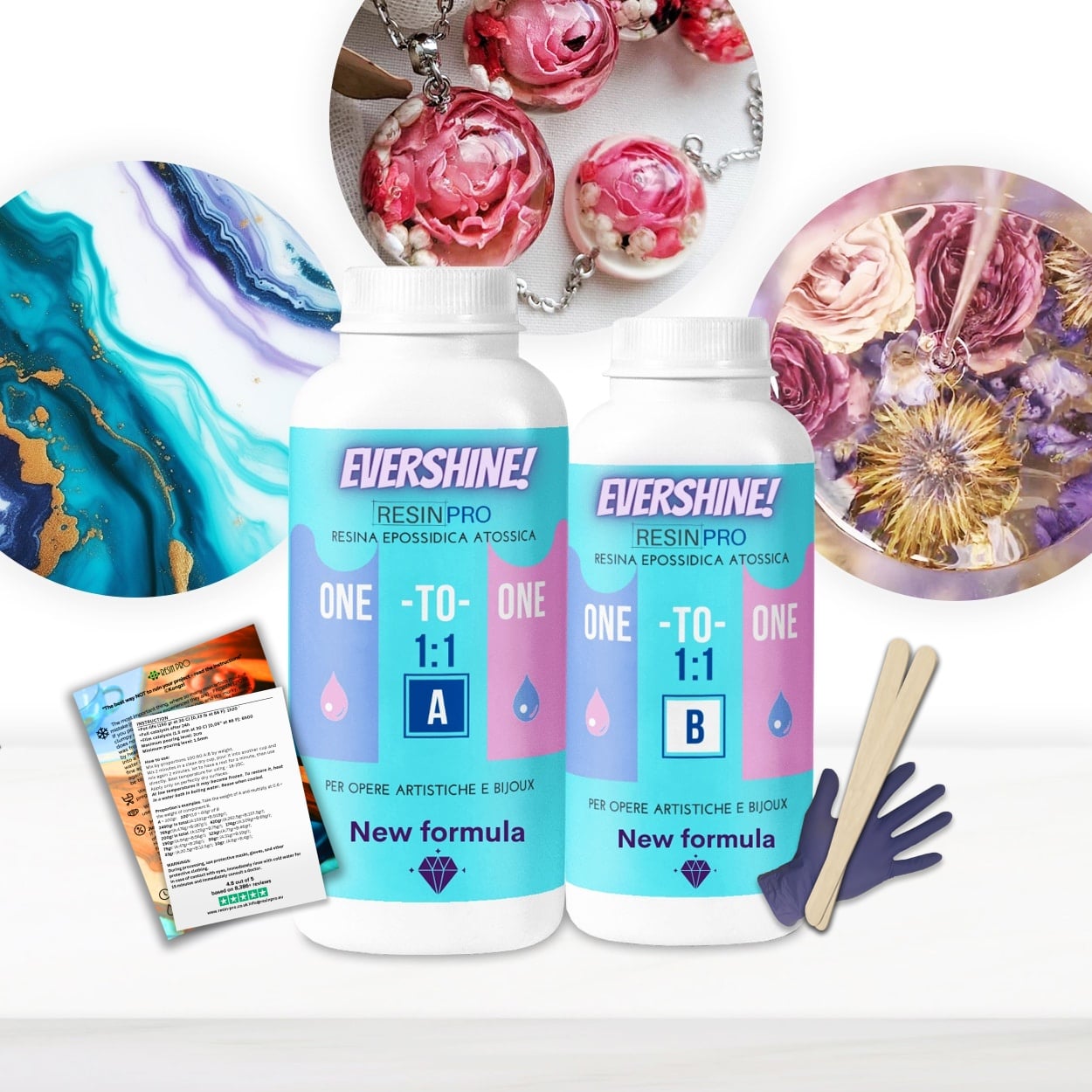
- “One-2-One” – Epoxy Resin for Handcraft, 1:1 Mixing Ratio – ideal for jewellery, cabochons, and decorative projects requiring easy mixing.
- “Trasparente” – Multipurpose Clear Epoxy Resin for Casting – Up to 2cm – suitable for artistic castings, tables, or restoration up to 2cm depth.
- “Icrystal” – Clear Epoxy Resin – Odourless Formula – Up to 1.5cm – great for smaller craft, coating, and surface finish projects where low odour is important.
- Disposable mixing cups (if not included in your kit)
- Mixing sticks or spatulas
- Nitrile gloves, protective mask, and apron
- Clean workspace with dust protection
- Sandpaper or polishing kit (for finishing)

Hands-On with Epoxy Resin
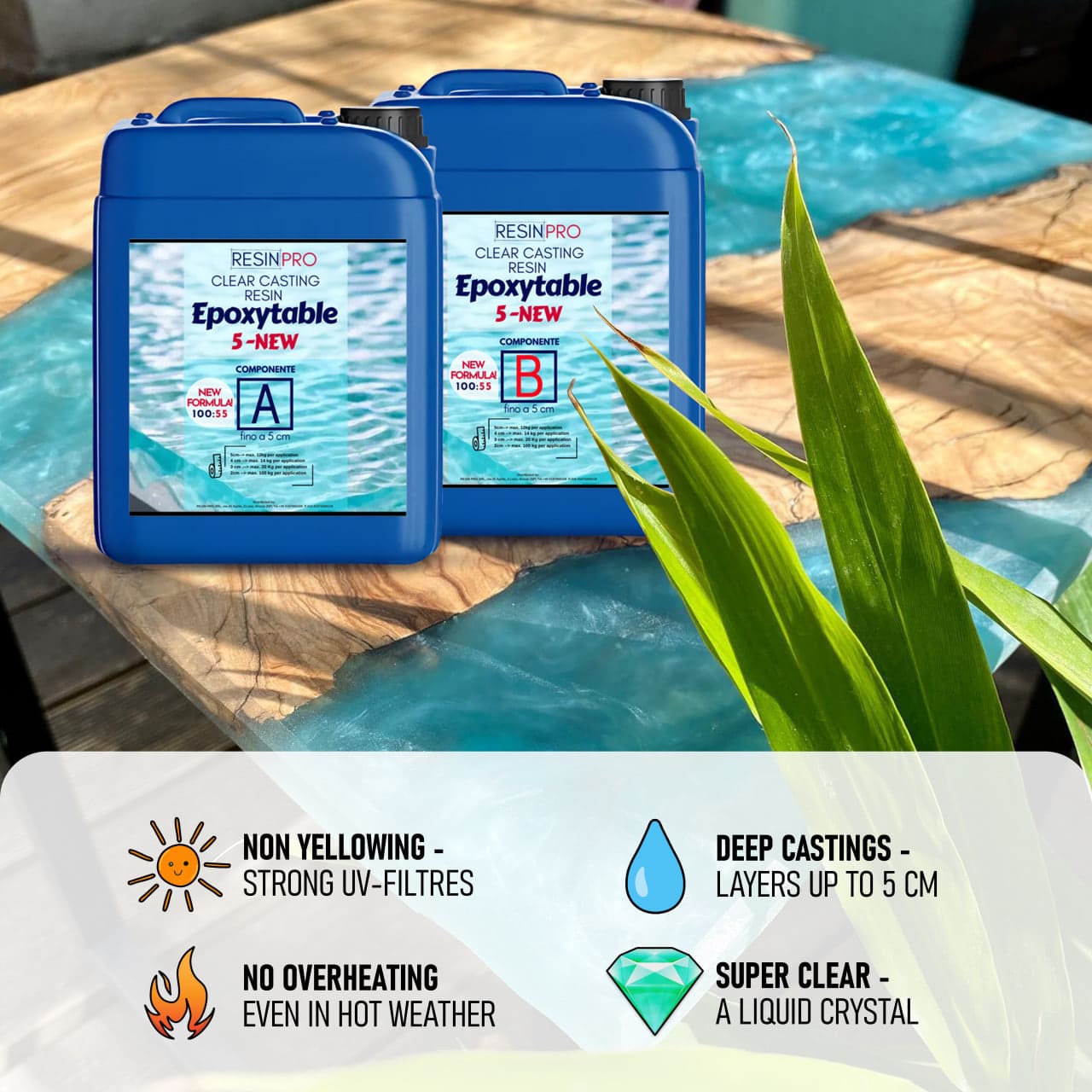
See step-by-step mixing and pouring in action: Real projects, from small crafts to full-sized river tables, show how careful measurement and controlled pouring yield the clearest results.
Notice how workspace safety, correct personal protective equipment, and a clean environment underpin every successful resin project.
Step 1: Prepare the Workspace and Safety Gear
Start by choosing a well-ventilated, dust-free area for your resin work. Lay down protective sheeting over your workspace to guard against spills. Wear protective gloves and a mask when handling epoxy resin. Good airflow or an extractor fan is recommended, especially with standard resins.
Organise all materials so that resin, hardener, mixing tools, and safety accessories are within easy reach. Always read the instructions provided with your resin, as each product—such as the “Icrystal” – Clear Epoxy Resin – Odourless Formula – Up to 1.5cm—may have specific safety and usage guidelines.
Step 2: Accurately Measure Resin and Hardener
To achieve a proper cure, the resin and hardener must be measured precisely, following the ratio specified by the manufacturer. Measure epoxy resin and hardener with care; some products, like “One-2-One” – Epoxy Resin for Handcraft, 1:1 Mixing Ratio, are particularly easy for beginners as they are simply mixed in equal parts by volume.
Pour both components into a clean cup. Avoid mixing excessive amounts in a single batch, as larger volumes can accelerate curing and generate heat.
Step 3: Mix Epoxy Resin Slowly and Thoroughly
Begin to gently combine the resin and hardener, stirring for up to 3–5 minutes. Mix slowly to minimise air bubbles and scrape the sides and base of the mixing vessel regularly to ensure a consistent blend.
If your project calls for pigment powders or additives, introduce them only after the resin and hardener are fully merged. Some kits, such as the “River-Table” – Complete Kit for Creating Your First Epoxy Resin Table, contain compatible pigments—add little by little until you reach your preferred hue.

Step 4: Pour Epoxy Resin in Controlled Layers
Once blended, pour the resin gently into your prepared mould or onto your project surface. Pour resin in thin layers to avoid overheating; check your product’s maximum pour depth (for instance, “Trasparente” – Multipurpose Clear Epoxy Resin for Casting is suitable for layers up to 2cm).
Use a heat gun or blowtorch briefly to remove surface bubbles, but take care not to overheat. Level the resin with a spatula if necessary and leave to cure undisturbed.
Step 5: Allow for Curing and Finishing Touches
Allow the resin to cure in a dust-free, temperature-stable area as recommended by the product packaging—curing times can vary from 24 to 72 hours. Cover your project with a lid or box to shield from dust particles.
Once fully hardened, demould (if applicable) and inspect. For a professional result, sand and polish with fine abrasives for a professional finish. Comprehensive kits may include a full polishing kit, ensuring your finished piece looks and feels its best.
Tips, Common Mistakes, and Troubleshooting
- Work at recommended temperatures: Lower temperatures slow curing, high temperatures may cause overheating.
- Avoid moisture contact—water drops can cause cloudiness in your resin.
- Do not mix more resin than needed—unused resin will harden and become unusable.
- If you encounter sticky or soft spots, insufficient mixing is a common cause. Always follow mixing instructions closely.
- Store leftover resin in tightly sealed containers to prolong life.
Finishing and Polishing Epoxy Resin
Before and after: Finished resin surfaces—Explore how sanding and polishing transform cast pieces to a professional sheen. Discover the subtle impact of pigment selection and layering techniques on clarity and colour depth.
Our guides reveal how attention to finishing details makes your craft stand out.

- "River-Table" – Complete Kit for Creating Your First Epoxy Resin TablePrice range: £198.45 through £467.45"River-Table" offers a complete kit with epoxy resin and polishing tools, designed for creating your first wood and resin table.
- "One-2-One" – Epoxy Resin for Handcraft, 1:1 Mixing RatioPrice range: £15.95 through £59.95"One-2-One" epoxy resin is a medium viscosity product designed for handcraft projects with a simple 1:1 volume mixing ratio.
 "Trasparente" – Multipurpose Clear Epoxy Resin for Casting – Up to 2cmPrice range: £8.95 through £397.95"Trasparente" is a clear epoxy resin suitable for various DIY and woodworking projects, providing a glossy, self-levelling finish up to 2cm thick.
 "Icrystal" – Clear Epoxy Resin – Odourless Formula – Up to 1.5cmPrice range: £12.45 through £341.45"Icrystal" Clear Epoxy Resin offers good quality with easy use and odourless formula, suitable for transparent coatings within the wiki how theme.
Frequently Asked Questions
Is it safe to use epoxy resin indoors?
Yes, but ensure proper ventilation and wear appropriate personal protection such as gloves and a mask.
Why is my epoxy resin sticky after curing?
Sticky spots usually result from incorrect resin-to-hardener ratios or incomplete mixing. Remake a new batch if needed.
What basic tools do I need for epoxy resin projects?
You’ll need gloves, mixing cups, spatulas, and sanding materials. Kits may include these for convenience.
How thick can I pour epoxy at once?
Check your resin’s guidance—some are for up to 1.5–2cm per layer, while others allow for thicker or thinner pours.
Can I add colour to epoxy resin?
Yes, most clear resins can have pigments or dyes added. Always mix well after adding colour.
Do I need a heat gun to remove bubbles from epoxy resin?
A heat gun or blowtorch does help by releasing surface bubbles, but use with caution to avoid overheating.
How do I get a high-gloss finish with epoxy resin?
Sand gradually with fine grit, then polish using suitable creams or pads as recommended by your resin kit.