 Free shipping on orders over £29,85
  Shipping Tracking!


 Google
 Facebook
← Back to How do you cover a resin floor?
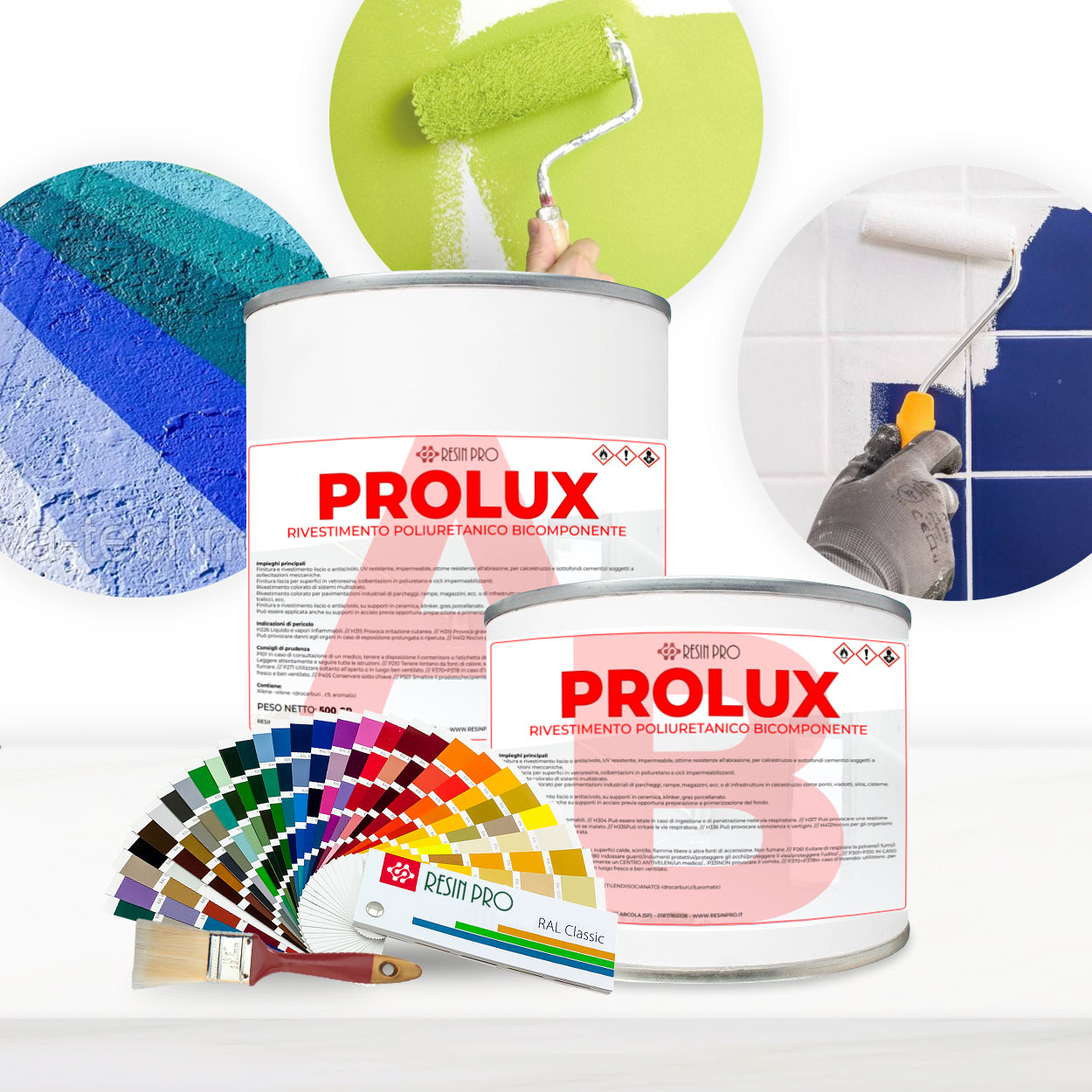
Wondering which surfaces can be safely covered with a resin or polyurethane coating? Choosing the right base is crucial for durability, appearance, and long-term performance of your resin floor.
Compatible Surfaces for Resin Floor Coatings
Modern resin and polyurethane coatings are designed to adhere securely to a range of common flooring materials. These include:
- Concrete: The most popular and reliable substrate, offering excellent mechanical stability.
- Ceramic tiles and screeds: Both can be successfully covered, but tiles should be clean, degreased, and sound.
- Prepared plastics and properly primed steel: Both require careful cleaning and, in some cases, specialist primers for secure bonding.
- Timber: Water-based epoxy primers, such as Epoxyprimer, are suitable for stable, dry timber surfaces.
The Importance of Surface Preparation
No matter the substrate, proper preparation is essential. Surfaces should be dry, stable, and free from dust or grease. Some materials, such as tiles or metals, may need sanding, degreasing, and priming to ensure the coating adheres effectively. For example, combining a primer like Epoxyprimer on concrete or tiles before applying a polyurethane topcoat, such as Prolux, offers best results for robust flooring.
When Surface Suitability Matters Most
Selecting the right surface is especially important in high-traffic areas, outdoor spaces, or locations exposed to moisture and changing temperatures. Outdoor parking zones, driveways, and damp interiors all benefit from durable coatings and the correct choice of resin system.
Related products
Related guides
Understanding which surfaces are compatible with resin flooring ensures a finish that is both attractive and long-lasting. For further details on the application process, visit our main guide on how to cover a resin floor.