 Free shipping on orders over £29,85
  Shipping Tracking!


 Google
 Facebook
← Back to How to remove epoxy glue?
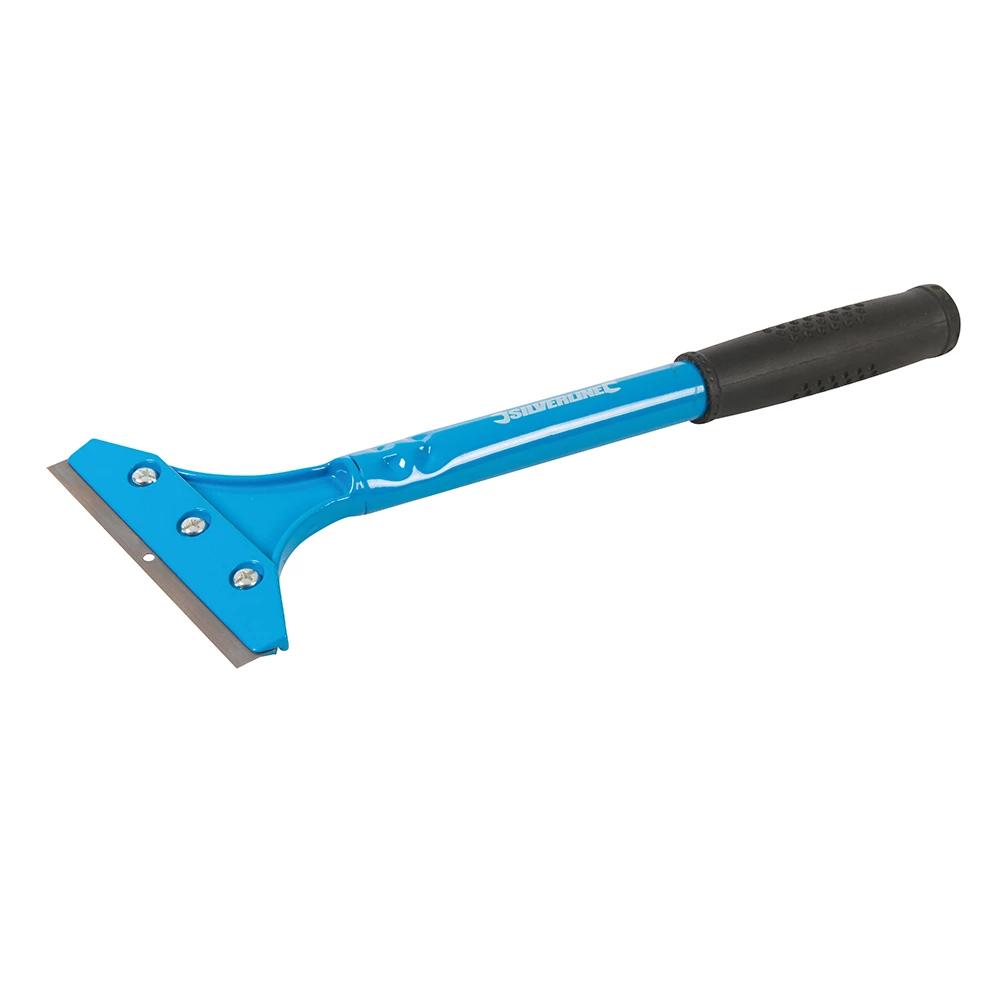
When epoxy glue has cured, mechanical removal stands out as the safest and most reliable approach. Tackling hardened resin requires patience and the right tools to avoid damaging underlying surfaces.
Why Mechanical Removal is Recommended
Cured epoxy forms a tough bond that resists most chemical solvents, making scraping the most efficient option. Chemical removers can often harm both your health and the surface in question, whereas mechanical tools directly target the glue. For this reason, careful, hands-on removal with purpose-built scrapers and abrasives is generally advised.
Choosing and Using the Right Tools
For most surfaces, a Heavy Duty Scraper for Paint and Epoxy Resin Removal is ideal. Its razor-sharp blade efficiently scrapes away cured epoxy from areas like floors, tiles, and walls. For leftover residue or smoothing, follow up with a fine sanding pad such as the Ebonite Abralon Sanding Pads. Always work in gentle strokes, applying steady pressure, to control the process and limit potential scratching to the base material.
When This Matters Most
Mechanical removal is especially crucial when working on hard, non-porous surfaces where chemical softening is ineffective or unsafe. Home renovations, DIY repairs, or professional projects all benefit from this method’s precision and minimal risk to the original surface.
Related products
Related guides
Understanding the importance of mechanical removal ensures a safe and controlled approach whenever cured epoxy glue needs to be cleared. For more in-depth removal tips and accessory options, explore our full guide on how to remove epoxy glue.