 Free shipping on orders over £29,85
  Shipping Tracking!


 Google
 Facebook
How to remove epoxy glue?
Step-by-step guide for safe, effective epoxy glue removal at home
Epoxy glue is well known for its extraordinary strength and durability — which can make it a challenge to remove when accidental spills or unwanted residues occur. In this guide, you’ll learn safe, effective techniques for removing cured or uncured epoxy glue, helping you restore your surfaces with minimal risk of damage. Whether you’re a DIY enthusiast tackling a misstep or a tradesperson refining a project, these methods will address a wide range of needs without compromising safety or finish quality.
What You’ll Need
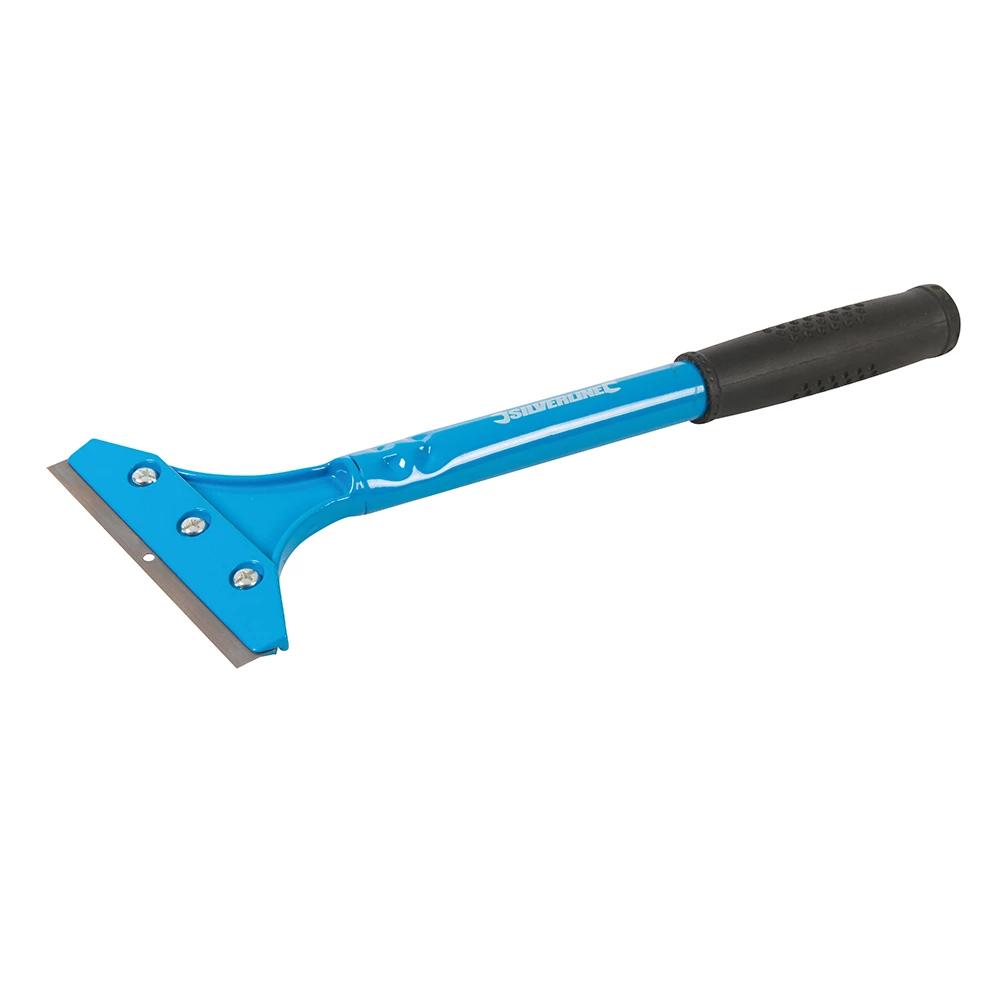
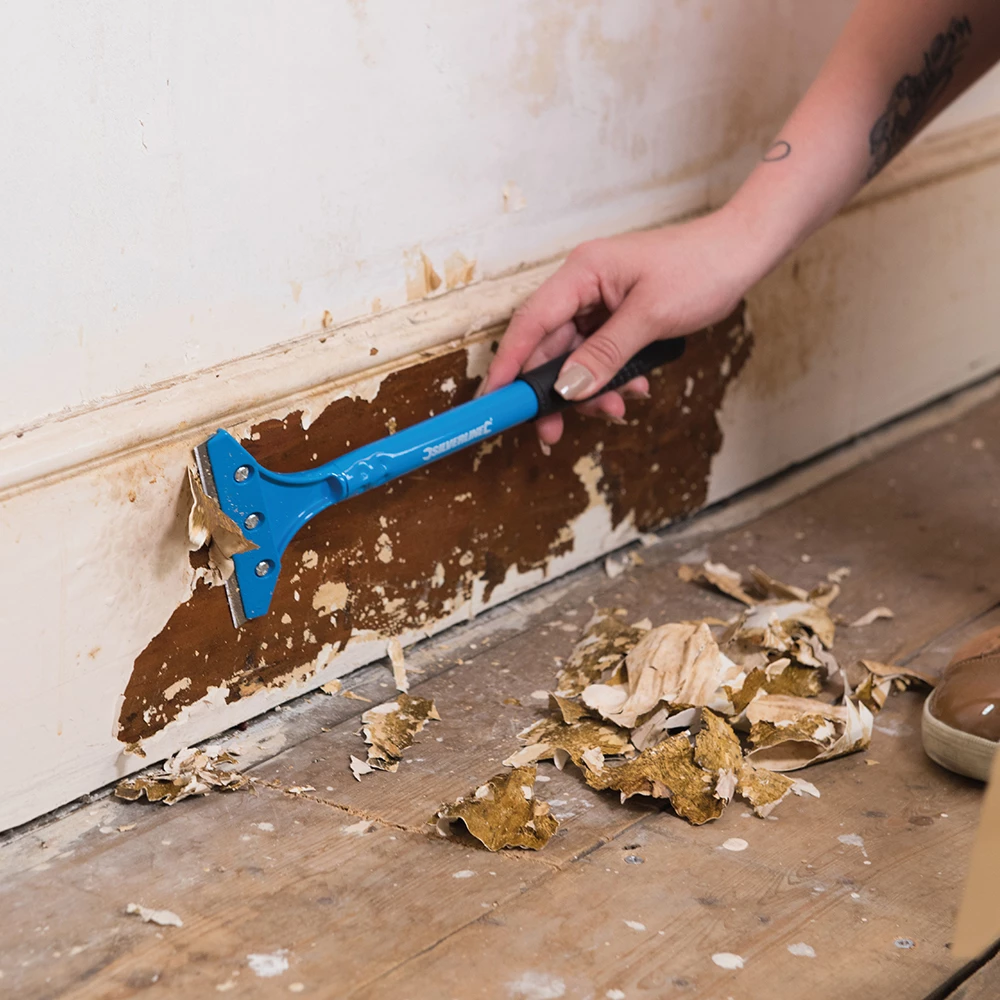
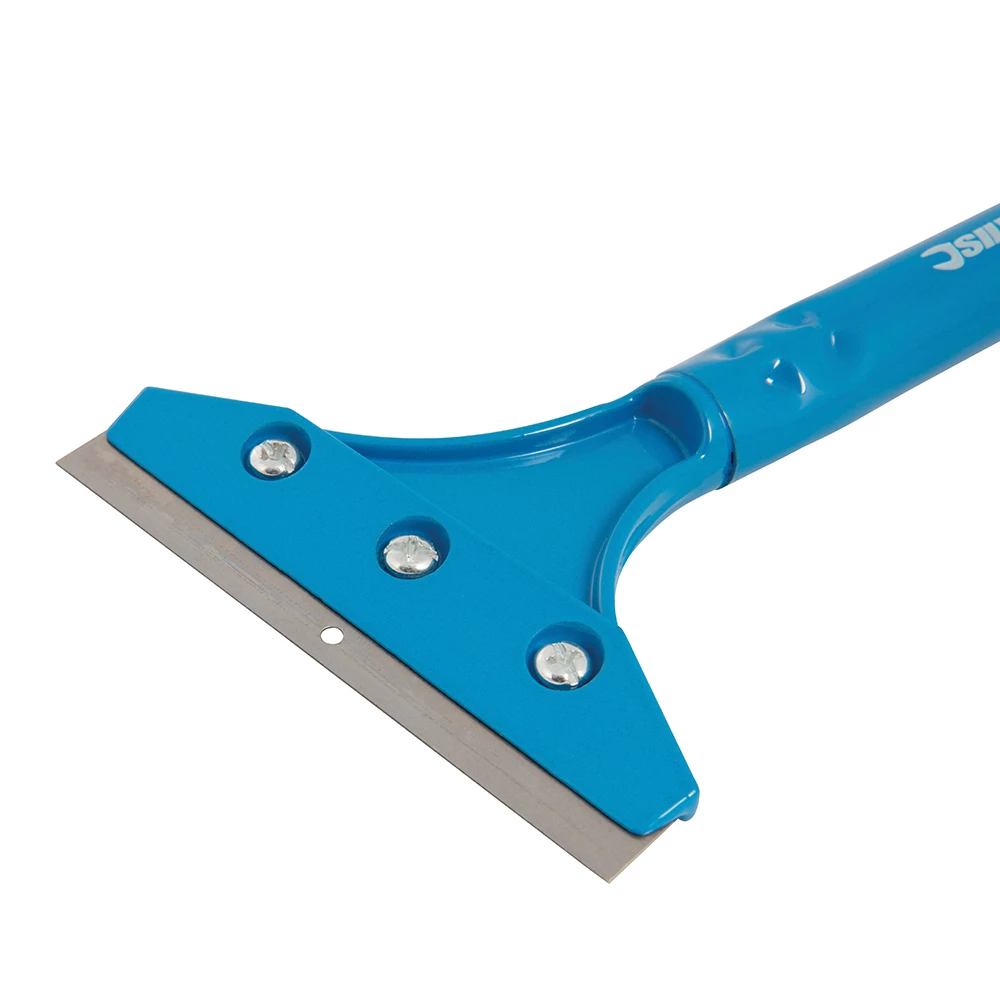
- Heavy Duty Scraper for Paint and Epoxy Resin Removal — For mechanical removal of cured adhesive and residues
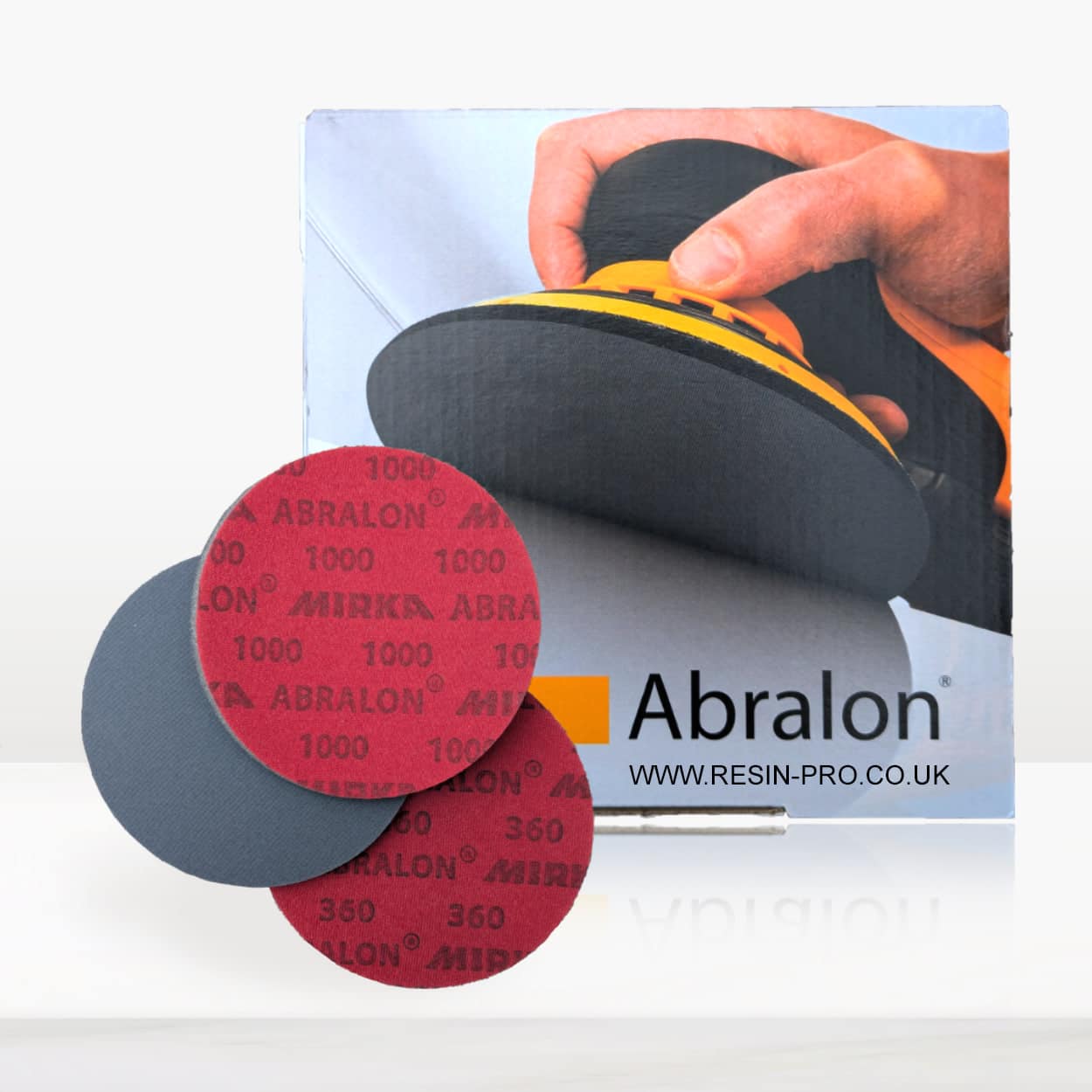
- “Ebonite Abralon” – Sanding Pads 360-4000 Grit for Resin and Wood — For smoothing or refining surfaces post-removal
- Pure Isopropyl Alcohol 99.9% – 1000ml Bottle for Epoxy Resin Projects & DIY — For dissolving fresh or partly cured epoxy residues
- Strong Technical Degreaser for Resin Projects – 100% Natural Formula — For cleaning surfaces before and after glue removal
- Disposable gloves and safety goggles
- Clean, lint-free cloths
Visual Examples of Epoxy Glue Removal Methods
See step-by-step images demonstrating the difference between mechanical scraping, solvent wiping, and sanding for epoxy glue removal. Each method provides a unique result depending on the surface and glue thickness.
Step 1: Assess the Epoxy Glue Status
Begin by determining whether the epoxy glue is fully cured, partially set, or still wet. Uncured epoxy can often be wiped away, while cured epoxy requires more forceful methods. Try to remove it as soon as possible after spillage for the best results. Always protect your hands and eyes before handling solvents or scraping tools.
Step 2: Remove Excess Epoxy Mechanically
For cured spots or layers of epoxy glue, mechanical removal is safest for cured epoxy glue. Hold your Heavy Duty Scraper for Paint and Epoxy Resin Removal at a shallow angle and gently work under the glue. Take care not to gouge wood, metal, tiles, or painted surfaces beneath. Use steady, even pressure and let the sharp blade do the work. Remove as much adhesive as possible before progressing to fine finishing.
Step 3: Apply a Solvent for Residue Removal
If traces remain, especially on non-porous surfaces, lightly moisten a lint-free cloth with Pure Isopropyl Alcohol 99.9% – 1000ml Bottle for Epoxy Resin Projects & DIY. Wipe the remaining epoxy glue, allowing the solvent a few minutes to soften the bond. Repeat as needed but always test in an inconspicuous area first to confirm compatibility with the underlying material. Ensure the area is well ventilated, and avoid open flames.
Step 4: Smooth and Polish the Surface
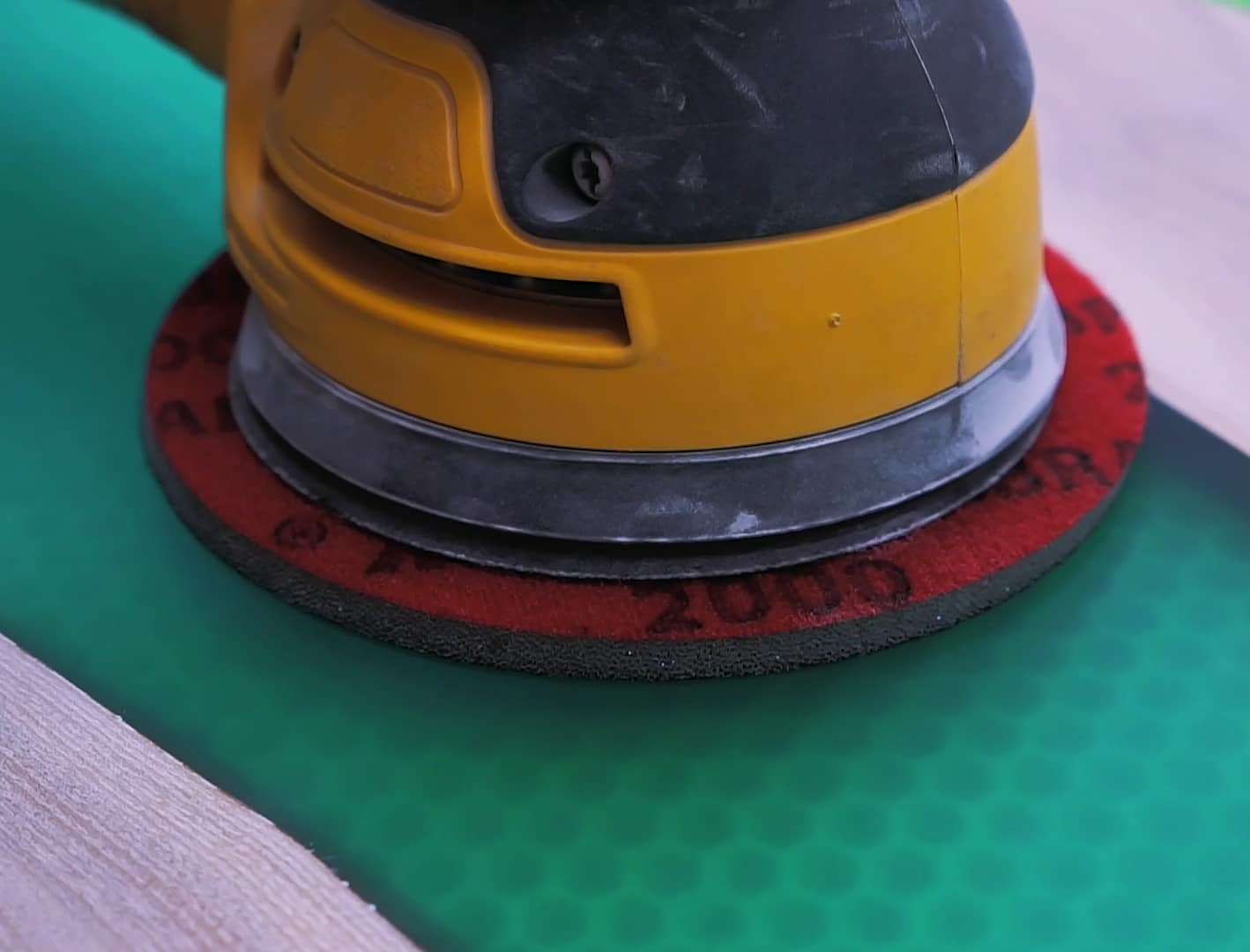
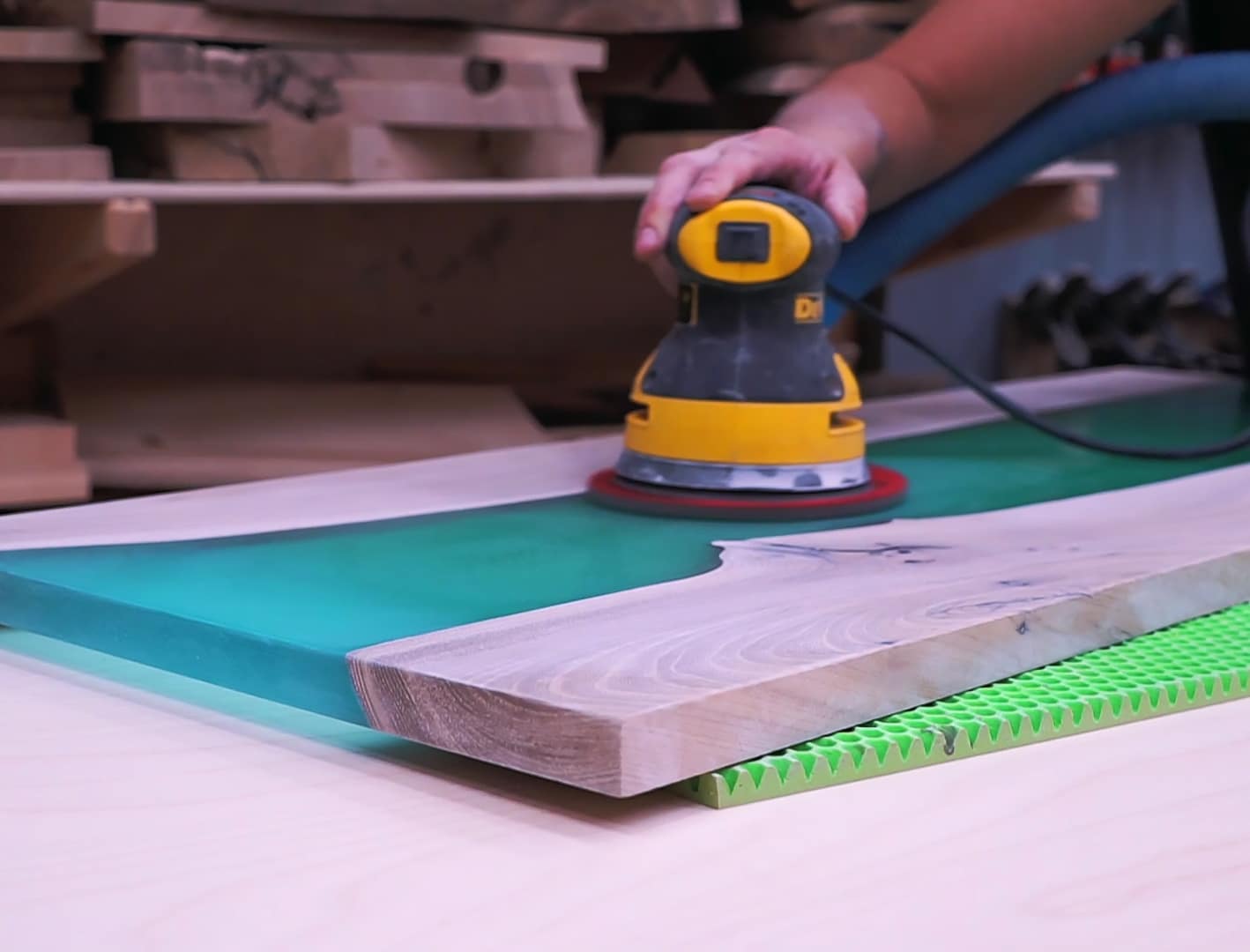
Once the bulk of the glue is gone, uneven residue might remain. This can be gently abraded using “Ebonite Abralon” – Sanding Pads 360-4000 Grit for Resin and Wood, starting with a coarser grit for stubborn spots and finishing with a fine grit to achieve a smooth result. Use gentle, circular motions for best effect, and wipe away dust between passes.
Step 5: Final Cleaning
After mechanical and chemical removal, thoroughly clean the area with a product such as Strong Technical Degreaser for Resin Projects – 100% Natural Formula to remove any traces of adhesives or solvents. This ensures the surface is safe for repainting, refinishing, or general use, and prevents the re-deposition of residue. Dry the area completely before further work.
Tips and Troubleshooting for Epoxy Removal
Use correct safety precautions with solvents — gloves, goggles, and good ventilation reduce risk. Work systematically to avoid surface damage — try tools and solvents in less visible spots first. Stubborn stains may require repetition of steps. If progress seems slow, patience yields the cleanest results.
Surface Care After Glue Removal
After successfully removing epoxy glue, inspect your surface for blemishes or dull areas. Applying a finishing product or gentle polish can restore the original sheen. For wood or painted surfaces, consider a protective layer after cleaning.
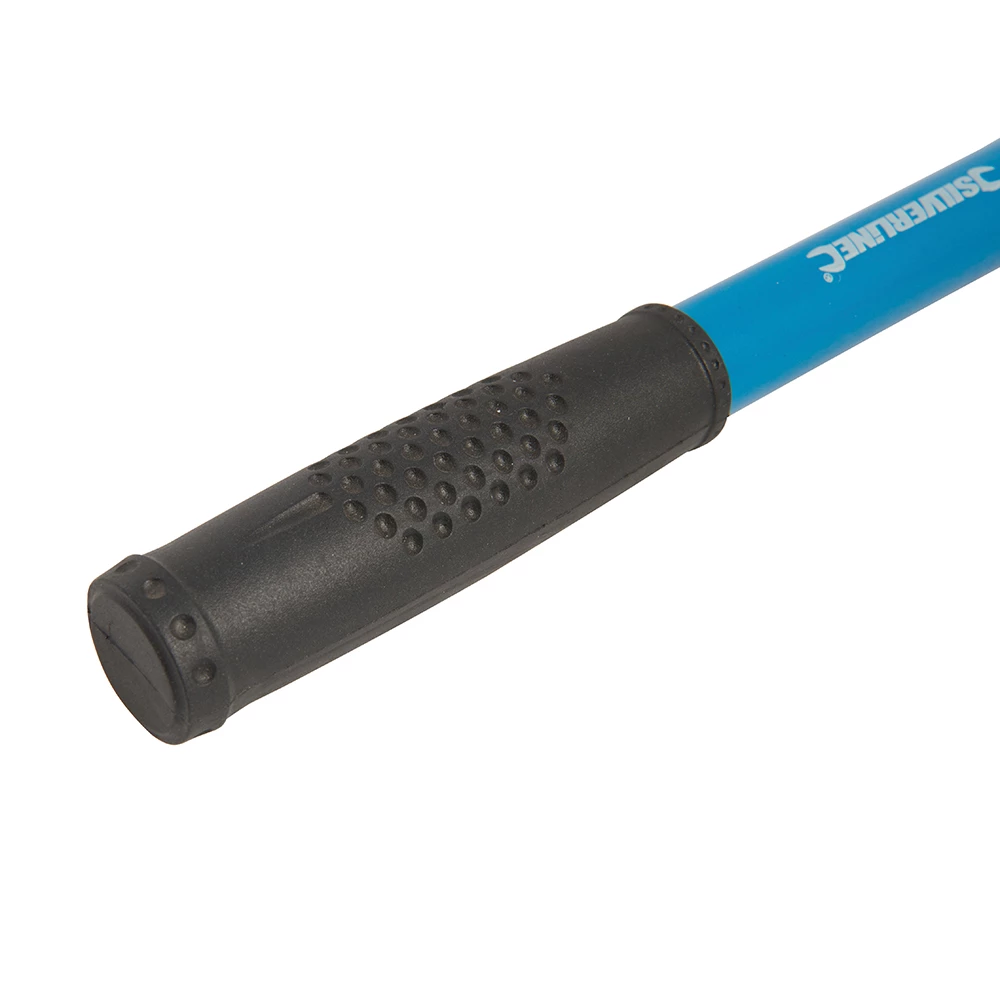
- Heavy Duty Scraper for Paint and Epoxy Resin Removal£8.95The Heavy Duty Scraper is a versatile tool designed for removal of paint, wall coverings, and epoxy resin.
- "Ebonite Abralon" – Sanding Pads 360-4000 Grit for Resin and Wood£4.15Ebonite Abralon Sanding Pads provide a range of grits for precise polishing of epoxy resin and wood surfaces.
 Pure Isopropyl Alcohol 99.9% – 1000ml Bottle for Epoxy Resin Projects & DIYPrice range: £10.45 through £20.95Pure Isopropyl Alcohol 99.9% in 1000ml is suitable for epoxy resin projects, helping to remove bubbles and support creative resin finishes.
 Strong Technical Degreaser for Resin Projects – 100% Natural FormulaOriginal price was: £10.95.£9.45Current price is: £9.45.Strong Technical Degreaser is a natural, gentle cleaner effective on epoxy resin residues and multiple surfaces within the theme of how to remove…
Frequently Asked Questions
Can I remove epoxy glue without damaging the surface?
Yes, by using a scraper gently and selecting appropriate solvents, you can reduce the risk of damage. Always test methods on hidden spots first.
Is it safe to use isopropyl alcohol on epoxy glue?
Isopropyl alcohol can help soften fresh or partly cured epoxy glue. Always use in a well-ventilated area and wear protective gloves.
How long does epoxy glue take to cure?
Epoxy glue typically fully cures within 24 to 48 hours but becomes tack-free much sooner. Removal is easiest before it fully hardens.
What if epoxy glue remains after scraping?
Use solvents or sanding pads to tackle any stubborn residues left after mechanical scraping for a cleaner finish.
Can I sand epoxy glue off wood or metal?
Yes, sanding pads are suitable for finishing the removal process, especially on hard surfaces. Begin with a finer grit to avoid scratches.
Should I wear gloves when removing epoxy glue?
Always wear gloves when using scraping tools or chemical solvents to protect your skin from irritation or contact with adhesives.
How do I clean tools used for epoxy glue?
Clean tools promptly using isopropyl alcohol or specialist degreasers before the epoxy fully cures for easiest removal.