 Free shipping on orders over £29,85
  Shipping Tracking!


 Google
 Facebook
← Back to How to repaint a resin statue?
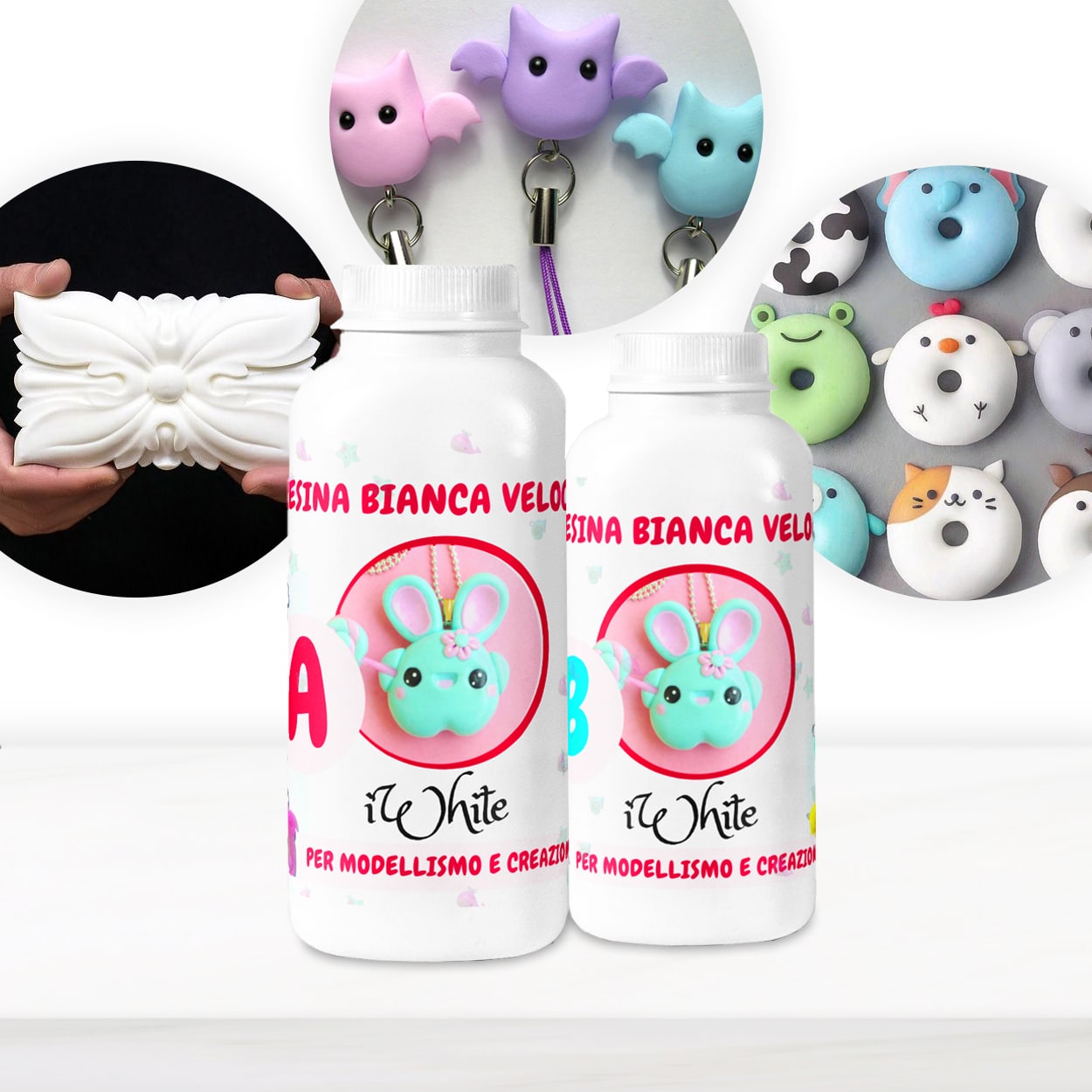
Careful surface preparation, such as lightly sanding, is the first step towards achieving excellent results when repainting a resin statue. This process improves paint adhesion and enhances the final look. Here’s why sanding matters, how to do it safely, and tips for a flawless repaint.
Why Light Sanding Is Essential
Resin statues often develop glossy surfaces during their initial manufacturing or previous paint jobs. These smooth finishes can make it difficult for fresh paint to adhere. By gently sanding, you remove surface sheen and create a subtle texture, helping new coats of paint or protective topcoats, like Art Pro clear epoxy resin, bond more effectively.
Best Sanding Techniques for Resin Statues
Use fine-grit sandpaper (around 400–600 grit) and apply gentle pressure in circular motions. Focus on even coverage and avoid sanding too hard, especially around intricate details or raised areas. Afterwards, wipe down the statue thoroughly with a slightly damp, lint-free cloth to remove all dust before painting.
- Start with a clean, dry statue
- Use light, consistent pressure
- Pay extra attention to areas where old paint has chipped
- Clean thoroughly before priming or painting
When Light Sanding Matters Most
This step becomes crucial if you’re working with fast-curing resins such as IWhite Polyurethane Resin or with older statues showing patches of wear or gloss. Sanding helps to even out the surface, reduce imperfections, and ensure your new paintwork stands the test of time.
Related products
Related guides
Taking the time to sand resin statues properly lays the foundation for a beautiful and lasting finish. For more tips on repainting, visit our main guide on how to repaint a resin statue.