 Free shipping on orders over £29,85
  Shipping Tracking!


 Google
 Facebook
← Back to How to resin seal the locking joints?
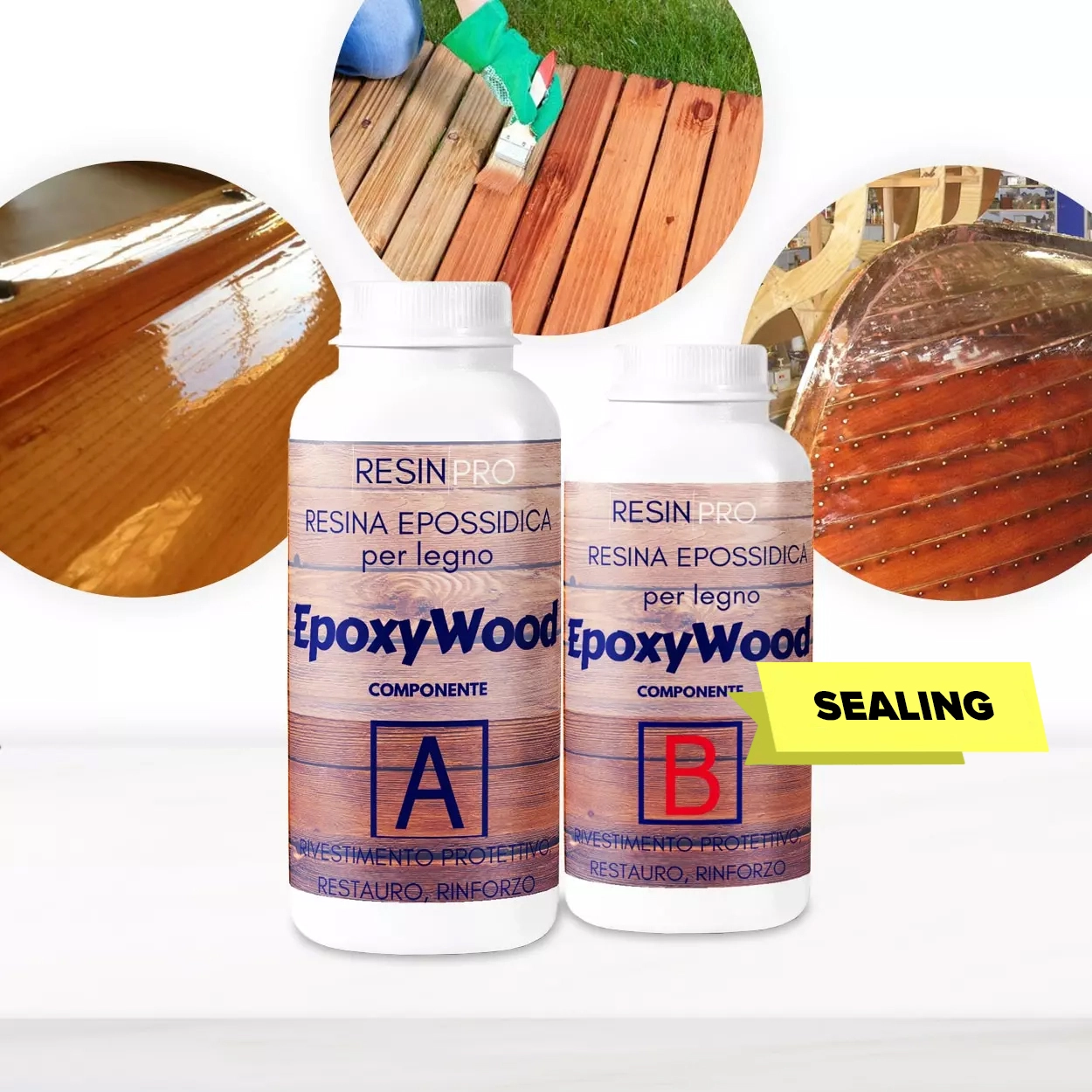
Sealing locking joints is vital for protecting your woodworking or DIY project from moisture and damage. Choosing the right resin ensures a robust, lasting seal whether you’re working with timber, engineered wood, or other common substrates.
Choosing the Right Resin for Your Locking Joints
The best resin for sealing locking joints depends on the materials and depth of your joint. For wood, a deep-penetration epoxy such as EpoxyWood is particularly effective. Its ultra-low viscosity lets it flow deep into the wood, reinforcing the structure and making it more resistant to moisture. For projects requiring a fully clear finish, consider a multipurpose resin designed for thin layers and UV resistance, such as “Icrystal” or “Trasparente”.
Practical Application Tips
Start by ensuring your locking joints are clean, dry, and well-sanded. This promotes optimal adhesion and allows the resin to seep into all pores and gaps. When using a product like EpoxyWood, apply in thin coats and allow sufficient curing time between layers. For visible areas where clarity matters, select a clear epoxy and pour at the recommended thickness—usually up to 1.5-2cm per application to avoid any issues with curing or clarity.
When This Matters
Sealing locking joints is especially important for outdoor furniture, kitchens, floors, and anywhere exposed to fluctuating humidity or water. Properly sealed joints stay structurally sound for longer and look more professional, providing peace of mind in damp-prone spaces.
Related products
Related guides
Understanding which resin suits your locking joints ensures long-lasting protection and a neat finish. To explore further techniques and resin uses, see our main guide on how to resin seal the locking joints.