 Free shipping on orders over £29,85
  Shipping Tracking!


 Google
 Facebook
← Back to How to resin seal the locking joints?
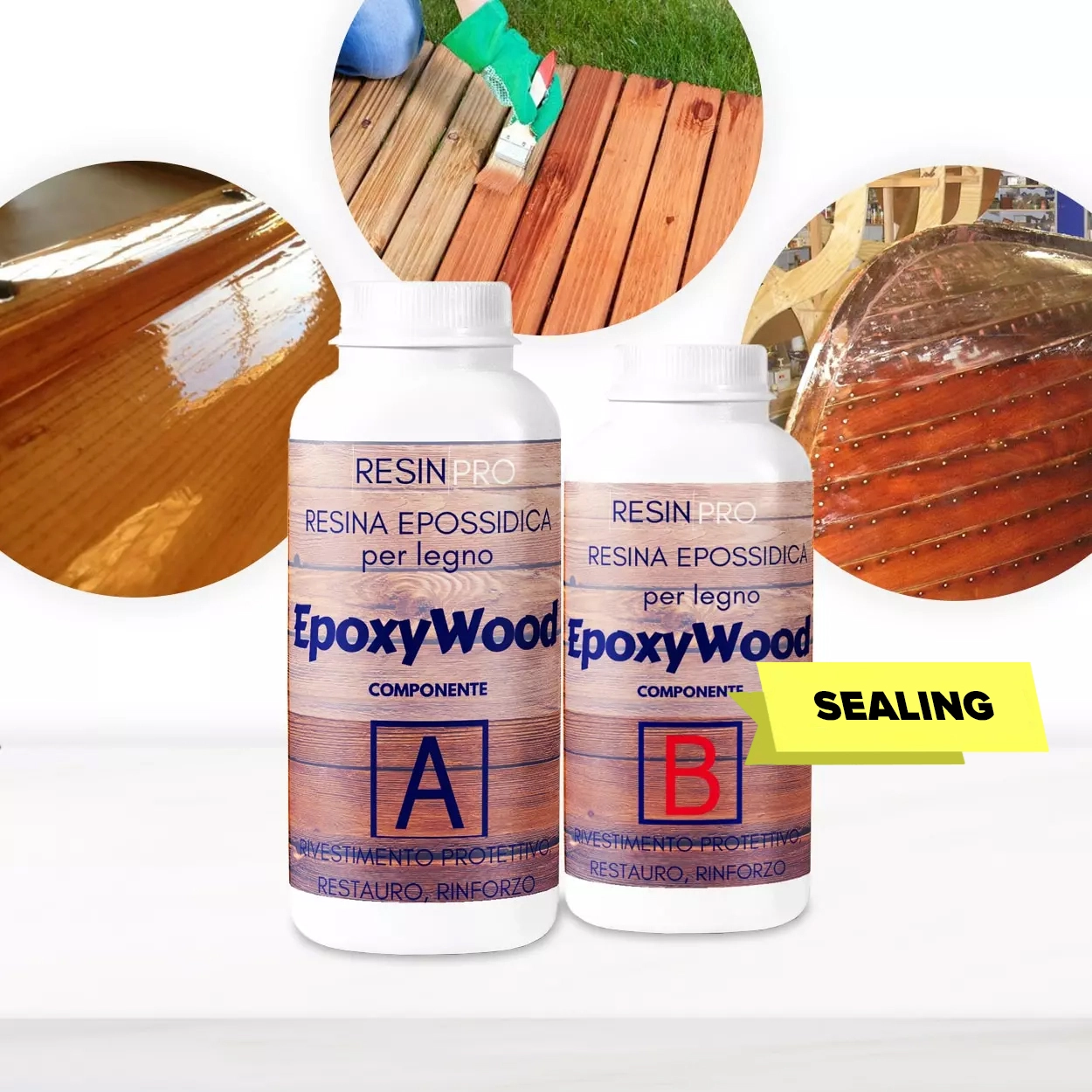
Epoxy resin can be used to seal and protect exterior locking joints, provided you select an outdoor-suitable product and prepare the area thoroughly for a lasting, moisture-resistant finish.
Choosing the Right Epoxy Resin
When sealing exterior locking joints, it’s essential to use an epoxy formulated for outdoor conditions and exposure. Exterior-grade resins like EpoxyWood are designed to deeply penetrate wood, protecting joints against moisture and reinforcing their structural integrity. Always check the resin description to ensure suitability for wood and exterior applications. For clear finishes or fine work, options such as “Trasparente” and “Icrystal” may also be appropriate, depending on the joint’s profile and requirements.
Surface Preparation and Application
Successful sealing begins with careful preparation. The joint must be dry, free from dust, grease or old finishes, and preferably sanded to aid resin penetration. Once ready, mix your chosen epoxy as instructed, ensuring an even application into the joint gaps and across adjacent surfaces. Take care to avoid air bubbles, especially in tight corners. After application, allow the epoxy to cure fully before exposing the joint to outdoor conditions, as incomplete curing may compromise moisture protection.
When Exterior Sealing Matters Most
- Locking joints exposed to rain, garden humidity, or fluctuating temperatures benefit most from an epoxy seal.
- Epoxy helps prevent joint swelling, rot, and loosening over time, especially for outdoor furniture, gates, and fences.
Related products
Related guides
Using the right epoxy and thorough preparation ensures your exterior locking joints remain waterproof and sturdy for years. For more guidance on resin applications, explore our full instructions on how to resin seal the locking joints.