 Free shipping on orders over £29,85
  Shipping Tracking!


 Google
 Facebook
← Back to How to resin seal the locking joints?
Resin-sealing locking joints in woodwork requires both care and attention to detail. Avoiding common errors is essential for achieving a durable, professional finish that safeguards your project for years to come.
Preparing Your Surface: The Foundation for Success
One of the chief pitfalls when sealing joints with epoxy resin is neglecting proper preparation. Make sure all surfaces are clean, dry, and free from dust or grease. Sand the wood to create a slightly roughened profile—this boosts adhesion and allows the resin to fully penetrate, especially in locking joints where a strong bond is needed. Skimping on surface prep can result in poor durability or visible flaws.
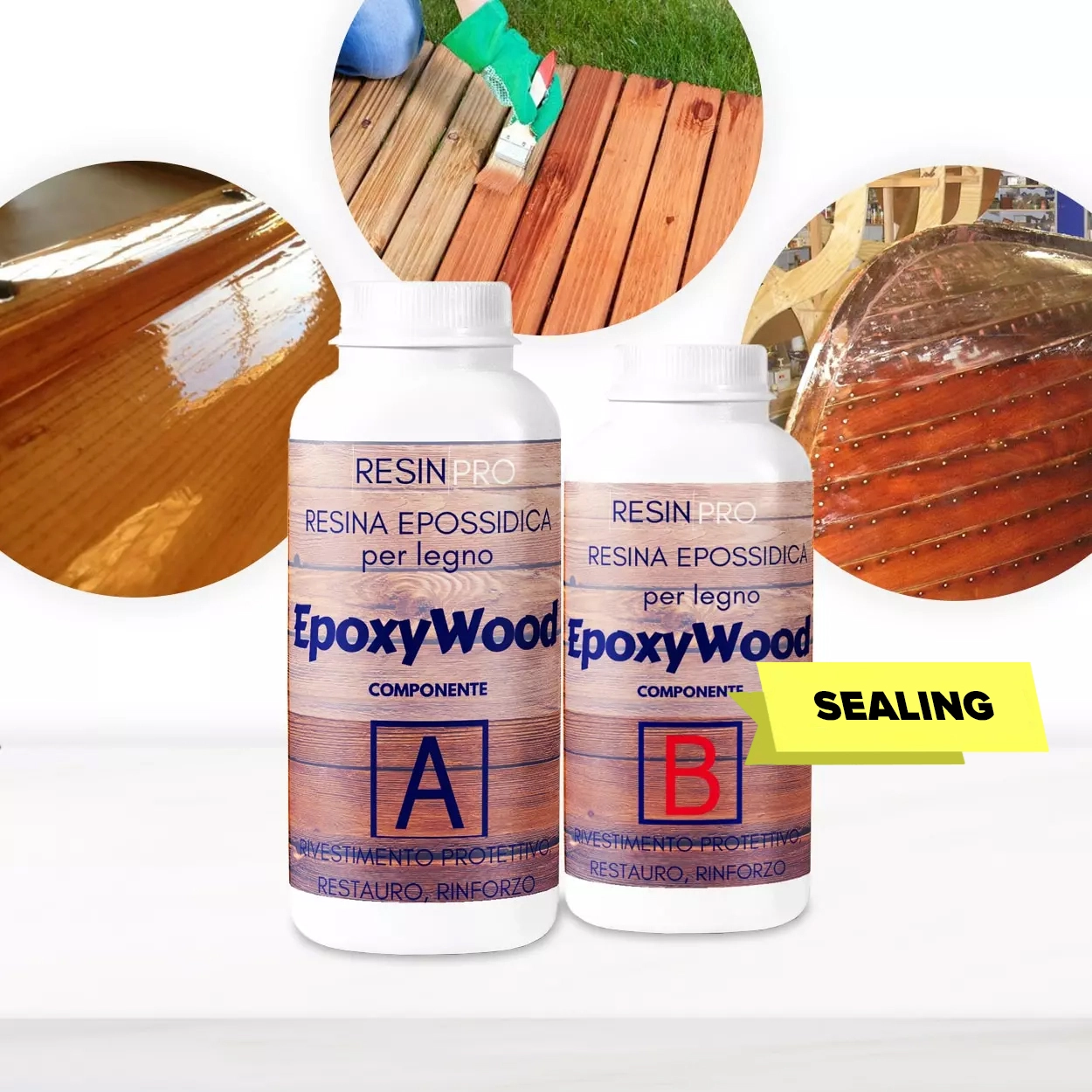
For projects focusing on wood restoration and joint protection, EpoxyWood is expertly designed to deeply reinforce and seal wooden surfaces, supporting a strong finish from within.
Mixing and Application: Getting It Right
Another frequent mistake is under-mixing the resin components. Always follow the manufacturer’s recommended ratios and instructions, mixing slowly but thoroughly until the blend is uniform. Rushing this step may lead to soft patches or incomplete curing. Additionally, be conscious of environmental conditions; applying resin in temperatures that are too cold or hot can lead to cloudy finishes and uneven hardening. Aim to work in a stable, moderate climate for the best results.
When This Matters: Preserving Strength and Appearance
These mistakes most often affect woodwork intended to withstand weathering, movement, or wear—such as doors, outdoor furniture, or decorative joinery. Taking proper steps with resin sealing helps ensure water resistance, stability, and a long-lasting finish that continues to look its best.
Related products
Related guides
By avoiding these common errors, you give your resin-sealed locking joints their best chance at excellent, robust results. For more step-by-step guidance on perfecting your resin sealing process, explore our main guide on how to resin seal the locking joints.