 Free shipping on orders over £29,85
  Shipping Tracking!


 Google
 Facebook
← Back to How to resin seal the locking joints?
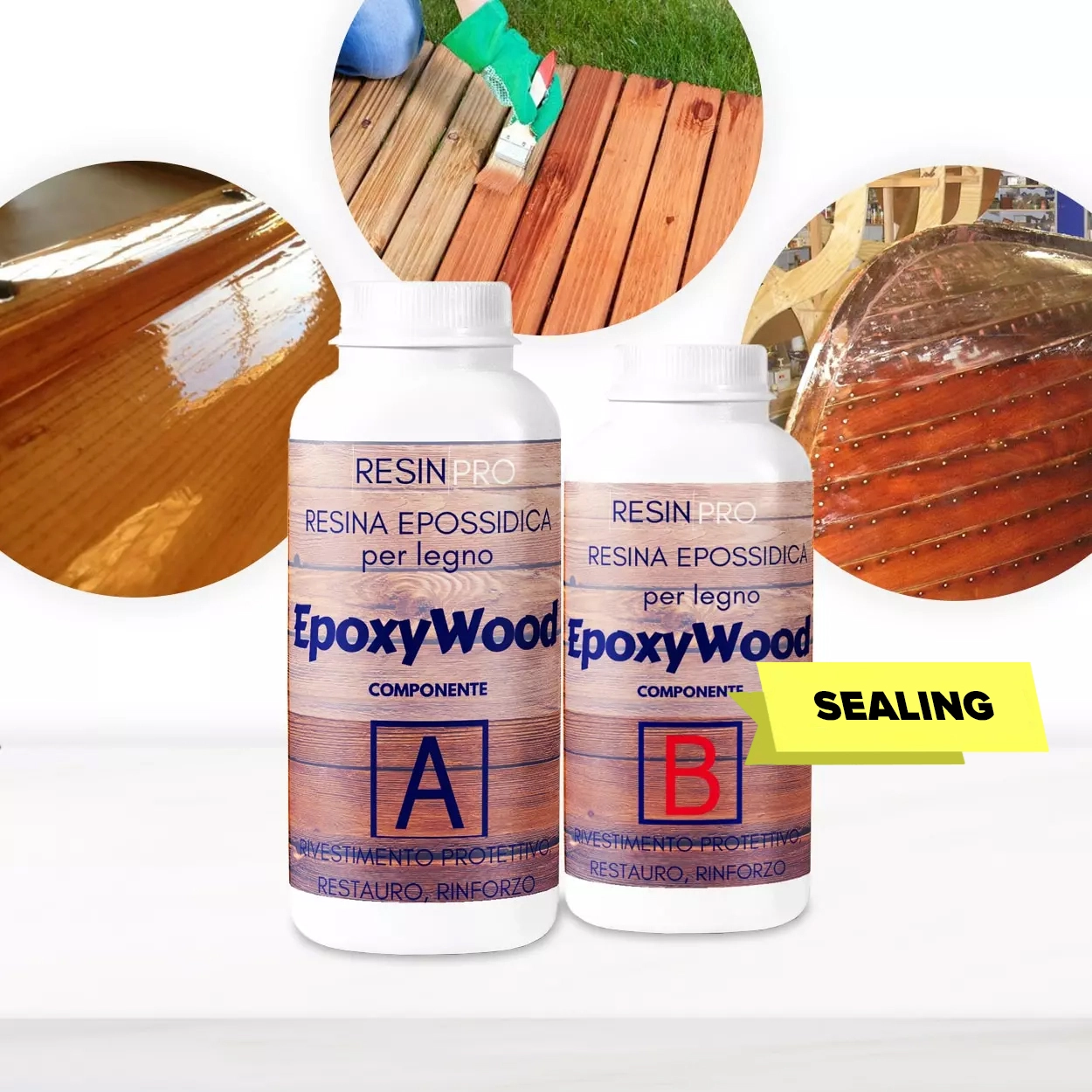
Pouring resin slowly is essential when sealing locking joints in wood, as it ensures deep and effective penetration for long-lasting protection. Understanding the correct method can make a significant difference in the strength and durability of your joint seal.
Why Slow Application Improves Penetration
Applying resin too quickly can cause air bubbles and prevent it from thoroughly soaking into tiny crevices within locking joints. Pouring slowly allows the resin, particularly low-viscosity options, to seep deep into the wood structure and reinforce from within. This careful approach is especially important for joints where long-term moisture resistance and stability are desired.
Best Practice for Resin Application
- Preparation: Ensure surfaces are dry and sanded so the resin can adhere and penetrate without obstruction.
- Selection: Choose a resin with ultra-low viscosity, such as EpoxyWood, designed to move deeply into wood pores.
- Method: Begin by slowly dribbling the mixed resin along the joint, letting it soak before adding more. Aim for gradual, steady layers to avoid overflows and improve internal saturation.
Working patiently and avoiding rush creates a more robust, waterproof seal in the locking joints.
When Deep Penetration Matters
Slow, deep resin penetration is especially important when repairing furniture, outdoor structures, or restoring boat hulls—anywhere locking joints are exposed to stress or moisture. Investing extra time during application ensures your sealed joints remain protected for years to come.
Related products
Related guides
Taking a careful, gradual approach to resin sealing not only strengthens your locking joints but also preserves the overall integrity of your woodworking project. For further advice and tips, visit our main guide on how to resin seal the locking joints.