 Free shipping on orders over £29,85
  Shipping Tracking!


 Google
 Facebook
← Back to How to resin seal the locking joints?
When sealing locking joints with resin, controlling overflow is essential for a crisp, professional finish. Using masking tape or physical barriers makes resin application more manageable, especially on detailed or visible woodwork.
Why Control Resin Overflow?
Uncontrolled resin overflow can leave unsightly drips or excess hardened resin on surfaces, making clean-up more challenging and risking a less attractive result. By planning ahead with masking tape or barriers, you gain more precision, waste less resin and minimise sanding or corrective work after curing.
How to Apply Masking Tape and Barriers Effectively
- Select quality tape: Choose a tape that adheres well yet removes cleanly. Painter’s masking tape is often ideal for timber and most surfaces.
- Prepare the area: Clean, dry, and sand the joint before applying tape along the boundaries where overflow should be prevented.
- Apply tape tightly: Ensure the tape is pressed firmly against all edges to prevent resin seepage.
- Use physical barriers for deep pours: For larger joints or projects with thicker resin layers, use temporary barriers like acetate sheets or custom-cut boards to hold resin in place until it cures.
- Remove at the right time: Peel tape away once the resin begins to gel but isn’t fully hardened – this helps achieve clean lines without lifting the cured resin edge.
Choosing the Right Resin for Joints
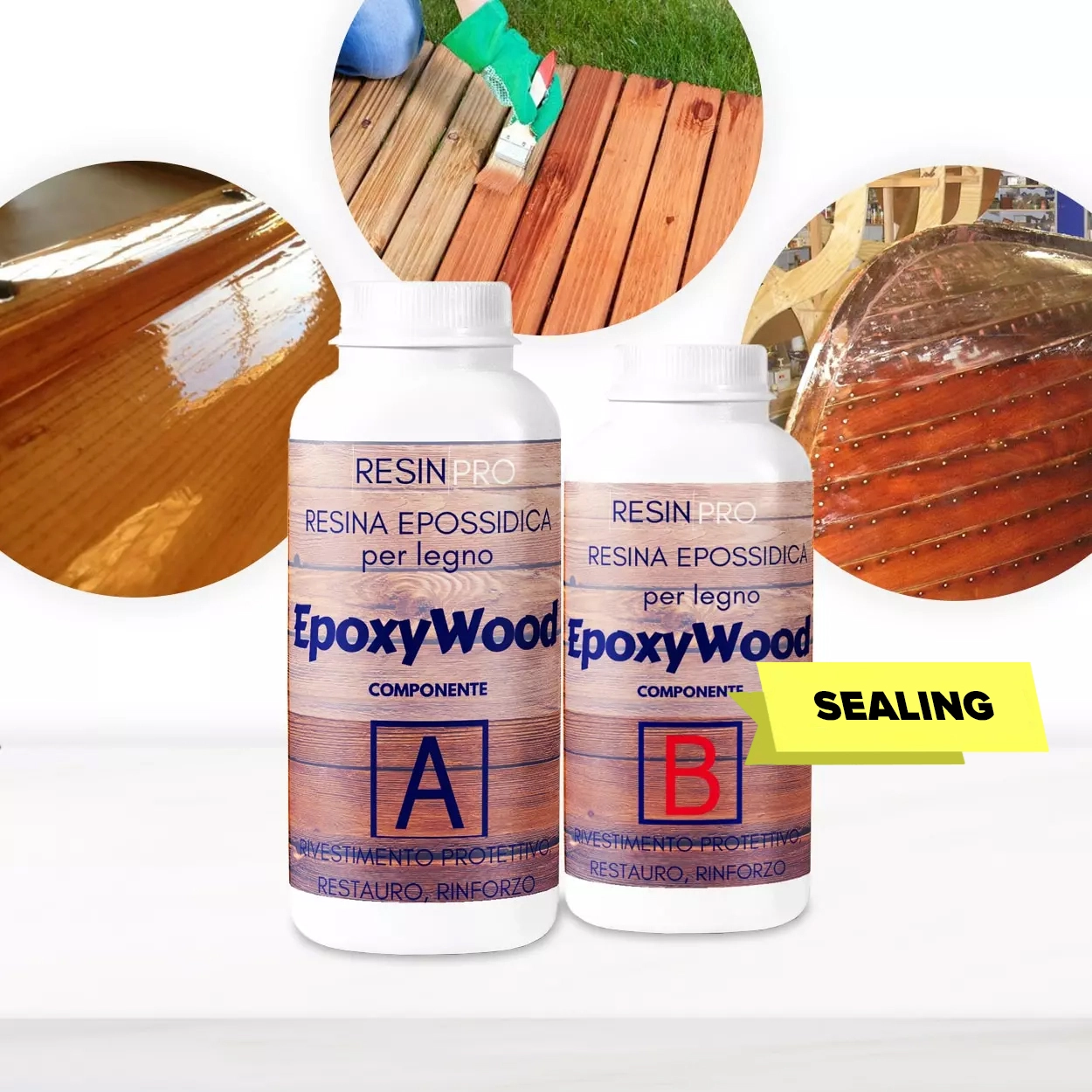
The right resin ensures proper sealing while working well with masking techniques. For wood, EpoxyWood deeply penetrates joints and delivers a reinforced, waterproof finish. For a crystal-clear, high-gloss look on visible joinery, “Icrystal” is a good choice, whilst “Trasparente” suits thicker layers up to 2cm. Match your resin to the application for best results and straightforward clean-up.
When This Matters Most
Masking is especially important when working on visible joints, intricate assemblies, or when using tinted or pigmented resins that could permanently mark unwanted areas. It’s also key for furniture restoration or new builds where clean lines and minimal post-cure finishing are priorities.
Related products
Related guides
Mastering masking tape and barrier use results in tidy and durable joint sealing. For more on working with epoxy resins and perfecting your woodworking finishes, see our main guide on how to resin seal the locking joints.