 Free shipping on orders over £29,85
  Shipping Tracking!


 Google
 Facebook
← Back to How do you paint old furniture with resin?
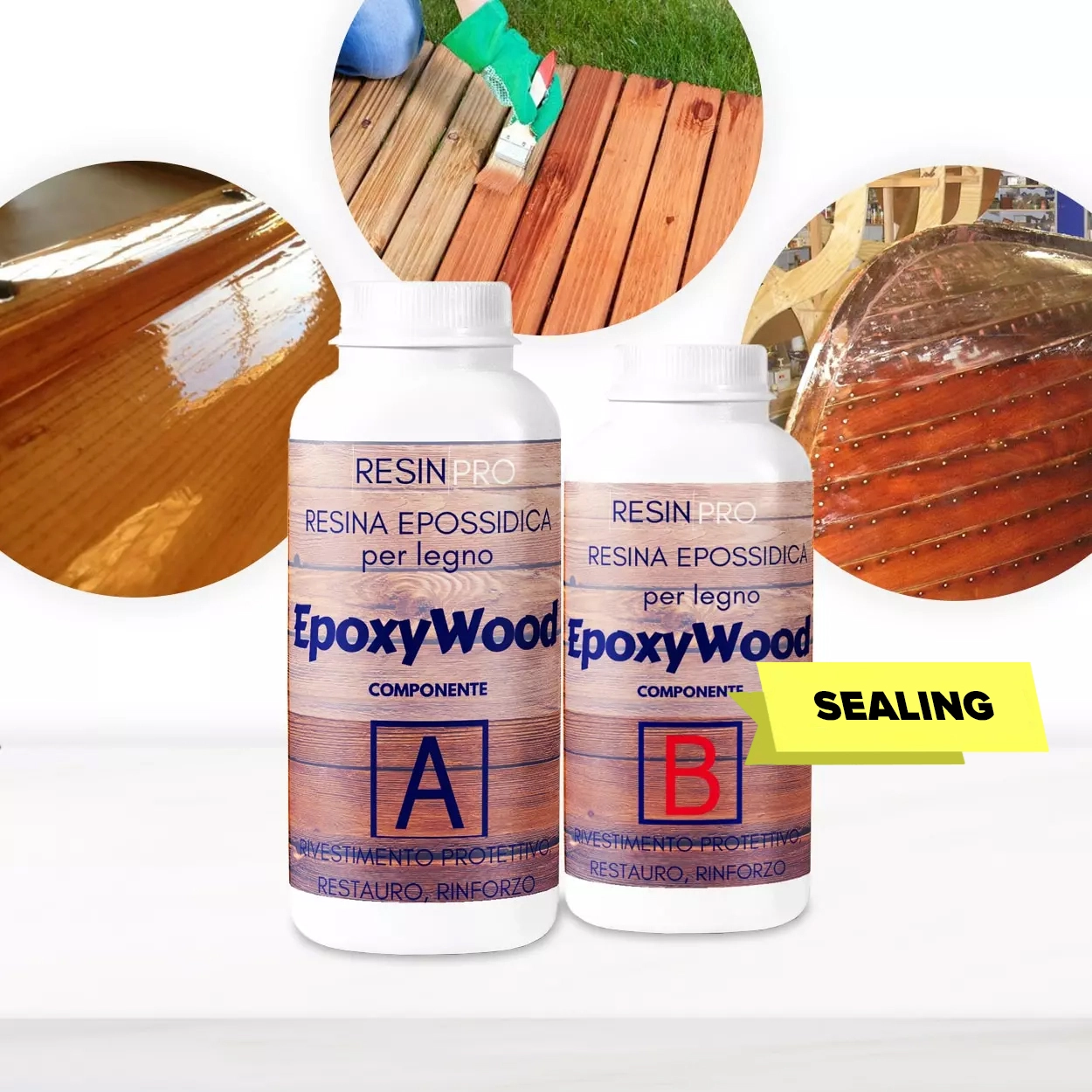
Filling cracks, holes, or weakened areas in old furniture before applying resin can make all the difference between a professional finish and ongoing issues. Here’s why it’s important, and how to get the best results during restoration.
Why It’s Essential to Repair Damage First
Resin is excellent for sealing and protecting wooden furniture, but it cannot strengthen areas that are already compromised. Failing to address damaged wood means cracks can spread further or resin can seep into gaps, resulting in a weak or uneven final surface. Making repairs first ensures the resin forms a smooth and durable layer on a sound base.
Steps for Repairing Damaged Wood
- Clean the furniture: Remove dust and old finishes to clearly see any damage.
- Fill cracks and holes: Use a wood filler or a purpose-designed product such as EpoxyWood epoxy resin, which soaks into dry wood and reinforces its structure.
- Let the filler cure: Allow sufficient time for any repair product to fully harden before you proceed.
- Sand the surface: Sand repairs smooth and remove any excess filler to ensure the resin can adhere evenly.
When This Matters Most
If your furniture is particularly old, has visible structural damage, or will be used outdoors or in damp areas, repairing wood before adding resin is especially important to ensure lasting protection and a neat appearance.
Related products
Related guides
Taking the time to repair damage before applying resin doesn’t just improve the look of your furniture—it extends its lifespan and protects your project. For more tips on preparing and painting old furniture with resin, visit our main guide on restoring furniture with resin.