 Free shipping on orders over £29,85
  Shipping Tracking!


 Google
 Facebook
← Back to How to make molds for resin casting?
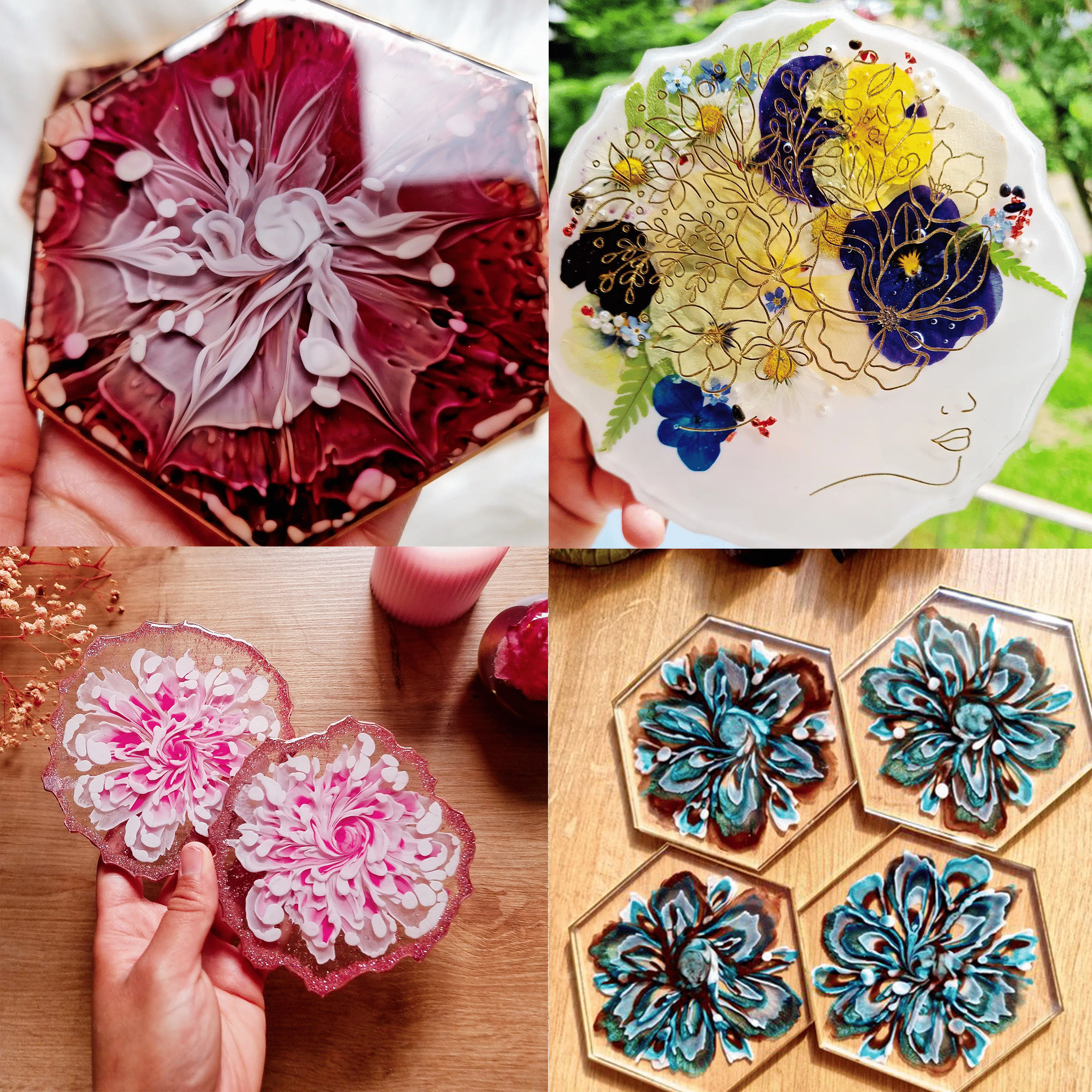
Whether you’re new to resin crafting or expanding your skills, understanding step-by-step casting, demoulding, and shaping techniques is essential for achieving consistent results and creative freedom in your projects.
Casting: Mixing, Pouring and Colouring
Begin by choosing a suitable resin and ensuring your workspace is protected and organised. Mix your epoxy and hardener thoroughly, following the manufacturer’s directions for ratios and timing. If you’re aiming for a coloured effect, add pigments or pastes during mixing, stirring gently to minimise air bubbles. When ready to pour, do so slowly from one side of the mould to help bubbles escape and ensure an even distribution.
- Gather protective gear such as gloves and a mask.
- Have a thermometer ready to monitor temperature.
- Select a quality silicone mould—for example, “Pure Mould” – Translucent Liquid Silicone Rubber is excellent for clear, detailed results.
Demoulding: Timing and Technique
Demoulding at the correct time is crucial. Resin should be firm but not fully cured if you plan to shape or manipulate it further. For items such as coasters or trays, wait until the resin is set to the touch—usually a matter of hours, depending on the type used. Gently release the piece from the mould, avoiding excessive flex or force to preserve delicate edges and details. For complex forms, a release film or a few drops of suitable mould release agent may help.
Shaping and Finishing
After demoulding, resin may be shaped if still semi-flexible. Popular shaping techniques include bending gently over a rounded surface or draping over a form to create bowls or abstract shapes. Once fully cured, you can sand or polish sharp edges, progressing through finer grits for a smooth finish. Use dedicated polishing kits to restore shine and clarity. The Complete Kit for Creating Your First Epoxy Resin Table includes handy materials and step-by-step instructions to help beginners achieve professional results.
When This Matters
Knowing precise casting, demoulding, and shaping timings is vital when your design relies on specific effects—such as layering colours, embedding objects, or bending resin for sculptural pieces. These techniques help avoid common pitfalls like trapped bubbles or misshapen projects.
Related products
Related guides
Mastering casting, demoulding, and shaping techniques not only ensures quality results but also opens doors to creative resin projects. For more tips on making your own moulds, visit our main guide: How to make molds for resin casting?