 Free shipping on orders over £29,85
  Shipping Tracking!


 Google
 Facebook
← Back to How to replace epoxy thinner?
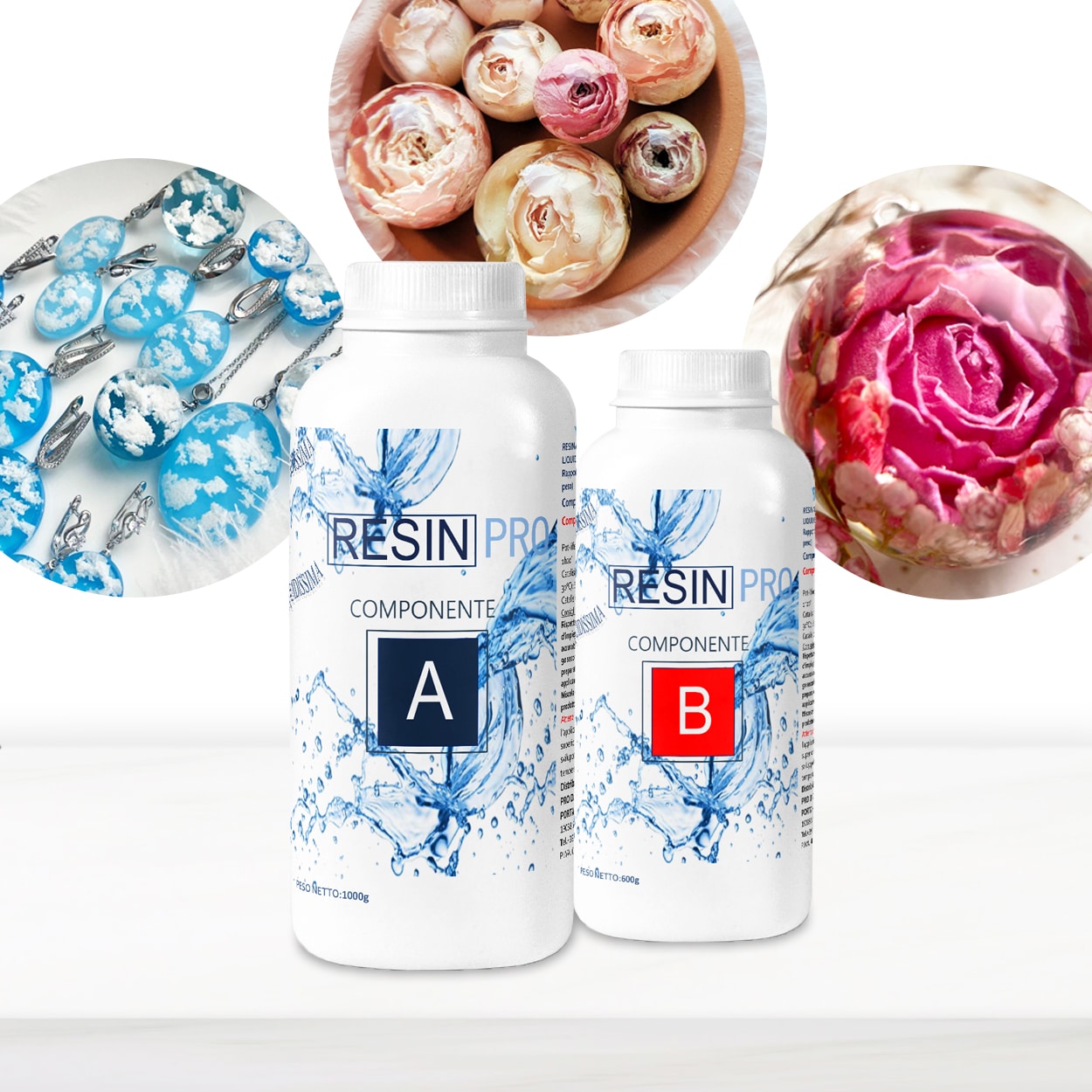
When making resin jewellery, you might wonder if adding a thinner will improve clarity, fluidity, or detail. Let’s clarify whether thinners have a place in high-quality jewellery resin projects.
Are Thinners Needed for Jewellery Resin?
There’s no need to add thinners to specialist jewellery resins. Products like Liquidissima are formulated with the ideal viscosity for jewellery making, delivering superb clarity and flow as they are. Thinners are typically used in other resin applications to reduce viscosity, but for jewellery, they can affect the finish and compromise details.
Benefits of Using a Dedicated Jewellery Resin
- Superior Clarity: Specially designed resins pour crystal clear, showing off fine details.
- Self-Levelling and Bubble Minimising: The low viscosity ensures smooth casting and reduces trapped air without the aid of thinners.
- Longer Working Time: Gives you more time to perfect complex designs in tiny moulds.
Good Practice for Stunning Resin Jewellery
Choose a trusted high-transparency resin intended for fine casting. Mix resin and hardener slowly to avoid bubbles and pour in a steady motion. Work in a dust-free, dry environment for best results, and follow the manufacturer’s ratio and curing advice closely.
When This Matters
If your project features delicate settings, vibrant colours or intricate moulds, unnecessary additives like thinners can blur edges or introduce faults. Sticking to a premium jewellery resin ensures your finished piece remains sharp and brilliant.
Related products
Related guides
In summary, specialist jewellery resins are ready to use straight from the bottle—no thinners needed. For more nuanced guidance on working with epoxy and alternatives, see our main page on how to replace epoxy thinner.