 Free shipping on orders over £29,85
  Shipping Tracking!


 Google
 Facebook
← Back to How to replace epoxy thinner?
It may be tempting to add thinner to modern epoxy resins in pursuit of easier application, but this can lead to issues in the finished piece. Modern low-viscosity epoxies are carefully formulated, and introducing thinners disrupts their balance.
How Thinners Affect Modern Epoxy Resins
Adding thinner to a modern, already low-viscosity epoxy can degrade both its physical properties and appearance. Thinners change the chemical structure of the resin, which can result in compromised strength and reduced durability once cured. Rather than improving the application, this often leads to problems such as weak bonding or surfaces that do not stand up to wear.
Surface Defects and Curing Risks
Beyond weakening the structure, thinners can cause surface defects like uneven finishes, improper hardening, or tacky spots. The resin may behave unpredictably during curing, leading to bubbles, dimples, or patches that never fully set. If clarity or durability is crucial, these risks can be especially disappointing.
Better Alternatives: Choosing the Right Resin
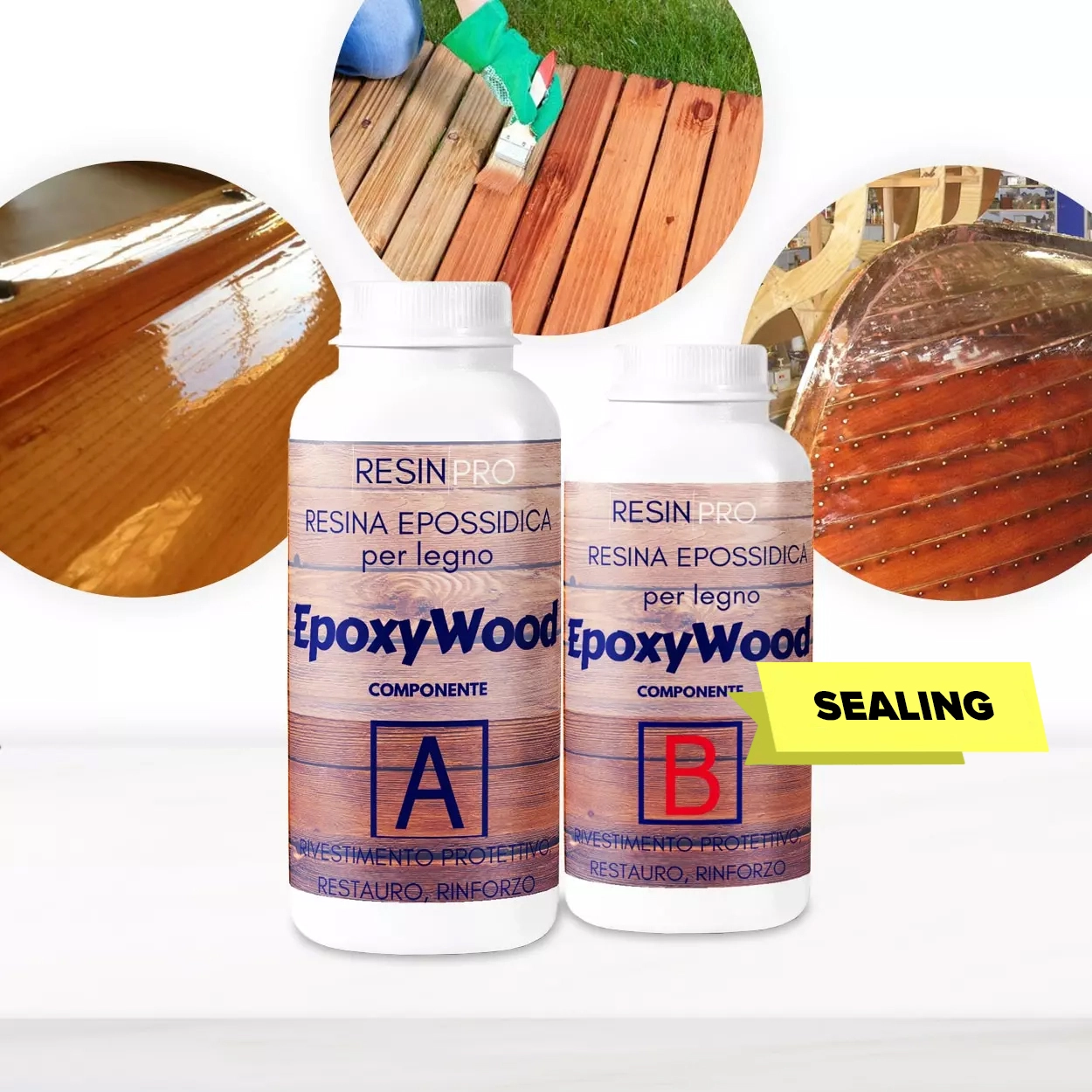
Instead of thinning your epoxy, select a product specifically designed to flow or penetrate as needed. For example, EpoxyWood offers an ultra-low viscosity without requiring extra solvent. For deep pours or crystal-clear results, purpose-made resins such as “Epoxytable 10-Ten” or “Liquidissima” are ideal choices. These options provide ease of use as well as reliable curing and strength.
Related products
Related guides
Using modern epoxy resins as intended is the best way to ensure a strong, clean, and durable finish. For more guidance on choosing and applying epoxies, visit our main epoxy thinner replacement guide.