 Free shipping on orders over £29,85
  Shipping Tracking!


 Google
 Facebook
← Back to How do you install resin kitchen coating?
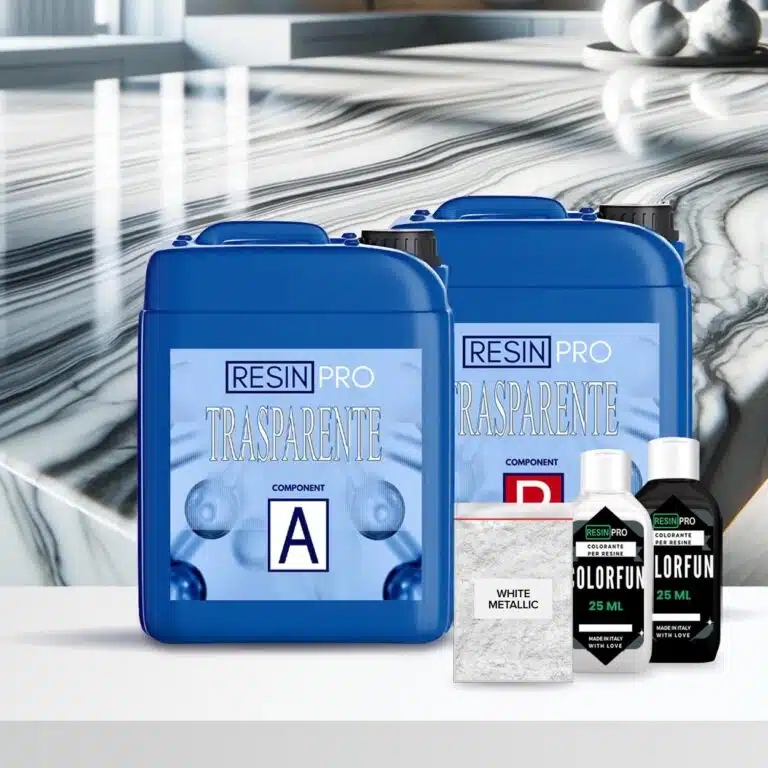
Applying more than one layer of resin is a common approach for those seeking extra resilience or a perfectly smooth finish on kitchen surfaces. Understanding the right technique for multiple coats ensures a long-lasting and visually pleasing result.
How to Apply Successive Resin Layers
To achieve a strong bond between coats, allow each layer of resin to cure thoroughly according to the manufacturer’s recommendation. Lightly sanding the cured surface before adding the next coat improves adhesion and helps to prevent haze or clouding.
Clean the surface of any dust or grease before pouring the next layer. For best results, adhere to the mixing ratios and environmental guidelines provided with the resin, such as the Stone Effect Collection – Marble Epoxy Resin Countertop Kit, which includes easy-to-follow instructions suitable for layered applications.
Benefits of Multiple Resin Layers
Using more than one coat can boost durability, especially in kitchens where worktops are subject to frequent wear and tear. Additional layers not only correct minor imperfections but can also enhance shine and depth, giving countertops a professional, glass-like finish.
- Increased scratch and impact resistance
- Improved overall finish quality
- Greater longevity for high-traffic surfaces
When This Matters
Multiple layers are particularly useful on surfaces that see heavy daily use, or when extra heat or liquid resistance is desired. This approach is valuable for DIY renovators keen on achieving a luxury look or rectifying minor surface flaws during application.
Related products
Related guides
Applying multiple resin coats, when done thoughtfully, elevates both durability and visual appeal of your kitchen surfaces. For more advice on installation or to explore suitable resin options, revisit our kitchen coating installation guide.