 Free shipping on orders over £29,85
  Shipping Tracking!


 Google
 Facebook
How do you install resin kitchen coating?
Step-by-step guide for a durable, stylish kitchen finish
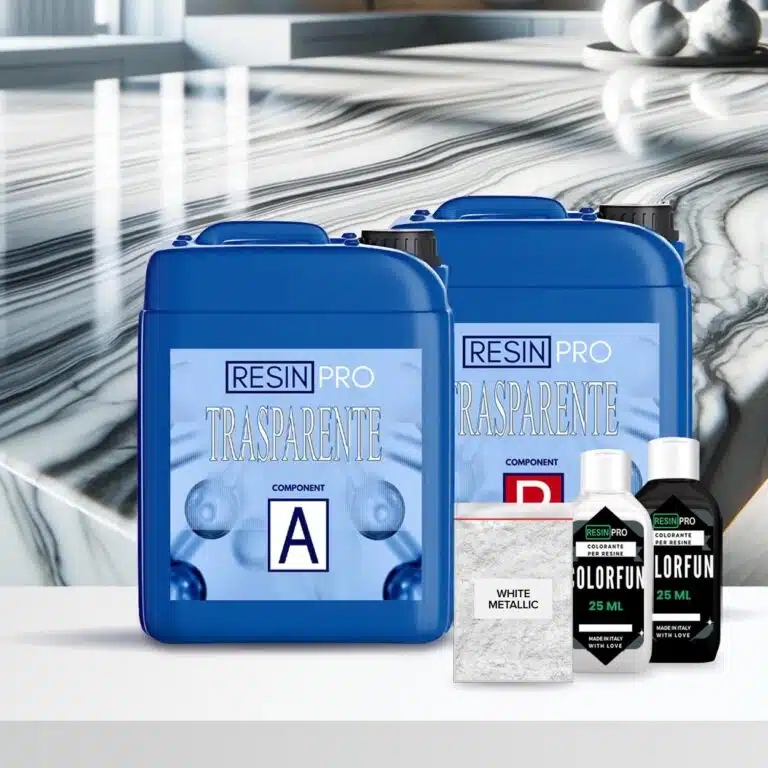
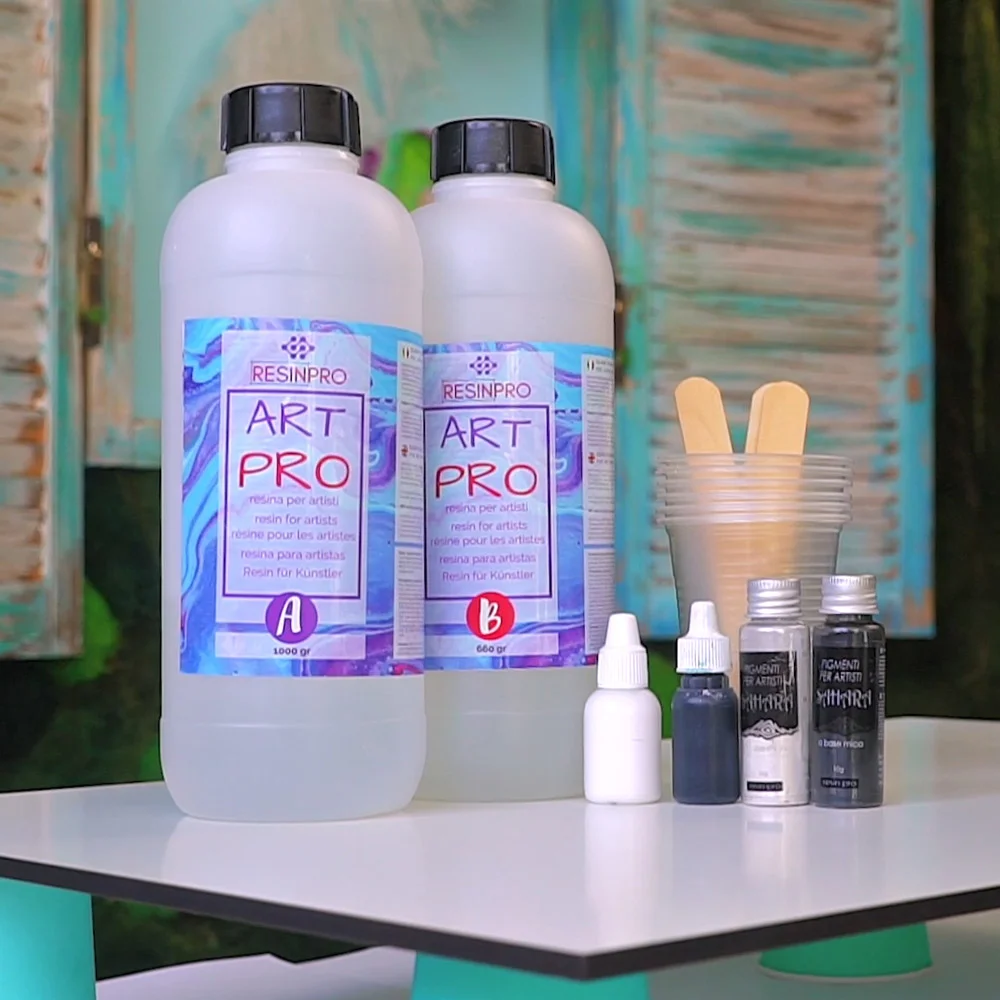
Transforming your kitchen with a resin coating is an excellent way to create a hard-wearing, attractive, and hygienic surface. This guide will walk you through the essential steps for successfully installing a resin coating on your kitchen worktops or splashbacks. Whether you’re seeking to update an old countertop or protect a new installation, following these instructions will help you achieve a professional-looking result that endures everyday kitchen use.
What You’ll Need
- “Stone Effect Collection” – Marble Epoxy Resin Countertop Kit: Complete kit for durable worktops with stone or marble finishes.
- “EpoxyFood” – Certified Clear Food Contact Epoxy Resin for Coating: Food-safe option for surfaces in direct contact with food.
- “Heat Pro” – Flexible Heat-Resistant Glossy Coating: For surfaces with high heat exposure, such as near hobs.
- “Prolux” – PU coating for tiles, concrete, plastic and metal – suitable for driveable surfaces: For maximum durability on tiles, cement, or metal substrates in kitchen areas.
- Protective gloves and safety eyewear
- Sanding block or fine grit sandpaper
- Measuring cups, stir sticks, and a mixing bucket
- Painter’s tape and non-stick drop sheets

Essential Tools and Workspace Setup
Prepare your kitchen space before starting. Cover nearby appliances, lay down non-stick sheets, and ensure all materials—protective gloves, safety eyewear, mixing containers—are at hand. Proper setup prevents spills and makes the installation process much smoother and safer for both you and your surfaces.
Step 1: Prepare the Kitchen Surface
Thoroughly clean and dry the kitchen surface you intend to coat, removing all grease, dust, and residues. For the best adhesion, lightly sand existing finishes or laminate surfaces using fine-grit sandpaper, wiping away all dust with a damp cloth afterwards. Take time to carefully mask edges, sinks, hob cut-outs, and walls with painter’s tape to prevent spills and achieve crisp lines. Any imperfections or cracks should be filled and allowed to dry fully prior to coating, as these will be amplified by the resin’s glossy finish.
Step 2: Mix the Resin Components
Once your work area is prepared, carefully read the instructions provided with your chosen resin product. Mix your resin components according to instructions, ensuring you use the precise ratios for resin and hardener. For example, the “EpoxyFood” – Certified Clear Food Contact Epoxy Resin for Coating uses a 100:55 ratio and should be mixed thoroughly but gently to avoid introducing air bubbles. If using the “Stone Effect Collection” – Marble Epoxy Resin Countertop Kit, follow the supplied guide for adding pigments or dyes and creating marble effects. Ensure the temperature in the room is stable and above 18°C for optimal curing.
Step 3: Apply the Resin Evenly
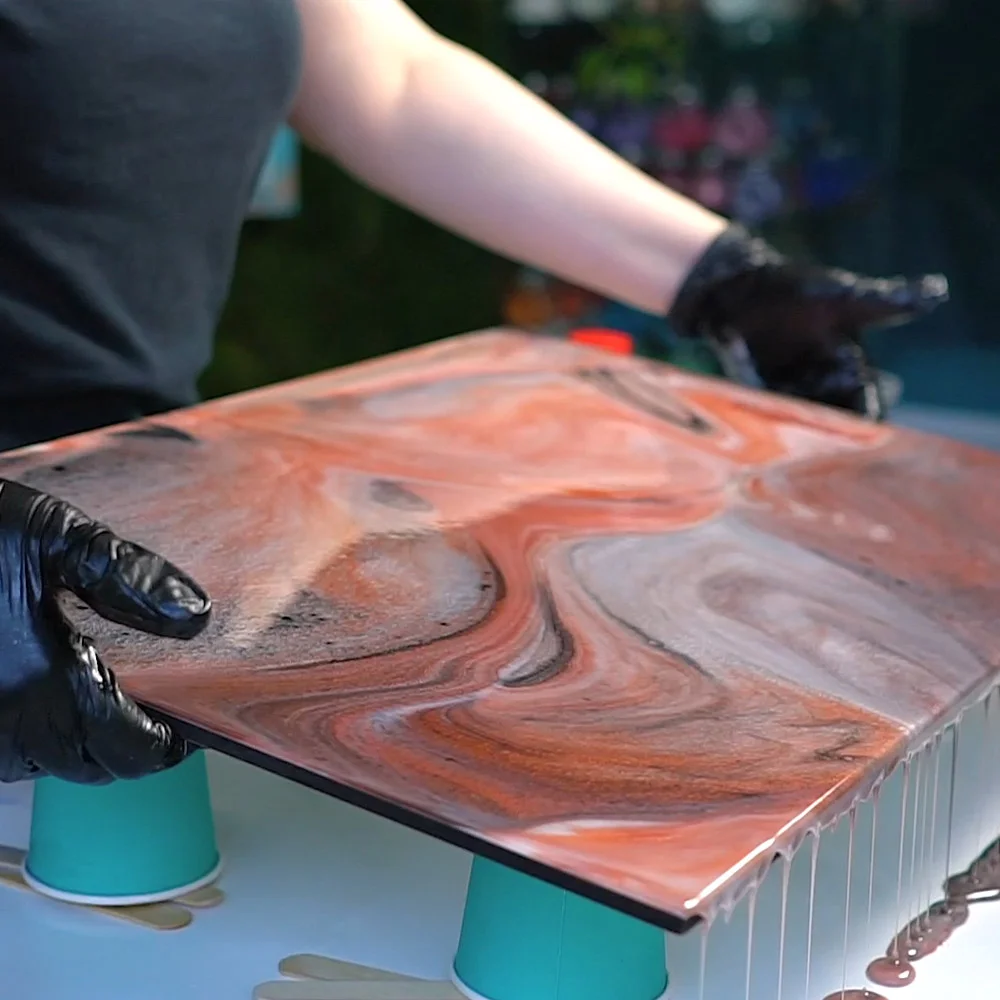
Pour the mixed resin onto the surface, starting at one end, and allow it to self-level over the area. For larger surfaces, work in manageable sections. Pour and distribute the resin evenly using a notched trowel or a spreader, guiding the resin gently towards edges without going over tape lines. For marble or colour effects, use the supplied pigments or isopropyl alcohol with the Marble Epoxy Resin Countertop Kit to create realistic veining. Avoid overworking the resin to prevent bubbles. If heat resistance is a priority, especially for surfaces near hobs, consider a final coat of “Heat Pro” – Flexible Heat-Resistant Glossy Coating after the primary layer has cured.
Step 4: Allow Proper Curing and Finishing
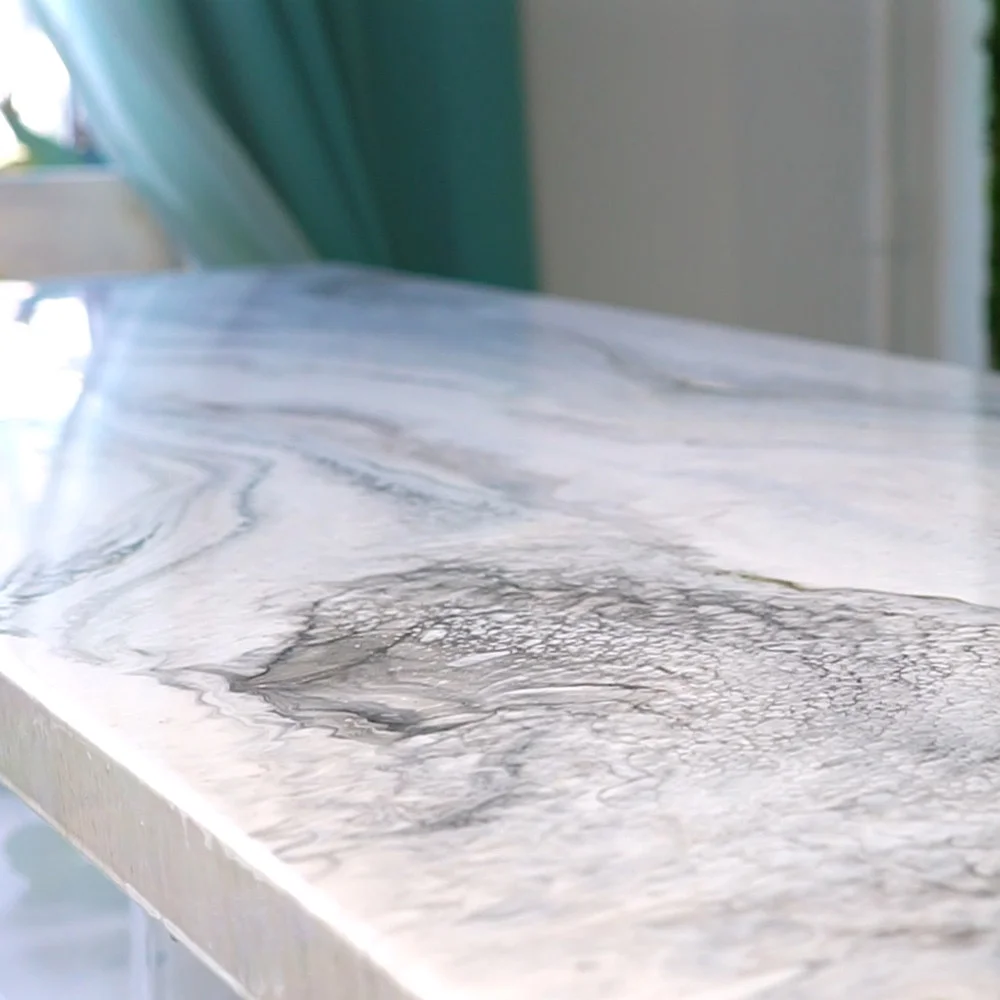
After the coating is applied, it’s important to leave it undisturbed in a dust-free environment. Allow to cure before handling or reinstalling appliances—typically, resin reaches touch-dry in 12–24 hours but requires up to 7 days for full chemical cure and maximum hardness. Remove tape before the resin fully sets to leave a sharp edge. For tiled or concrete kitchen floors needing extra durability, finish with “Prolux” PU coating as per manufacturer’s recommendations for best traction and wear resistance.

Tips, Common Mistakes, and Troubleshooting
Always measure and mix your resin carefully; inaccurate ratios or uneven mixing is the main cause of sticky or soft finishes. Work in a well-ventilated, dust-free space, and wear safety gear throughout the process. Avoid applying thick layers all at once, as these can trap bubbles or create waves. If bubbles appear, lightly pass a heat gun or hairdryer above the surface to release them. Patience during curing ensures the surface reaches its full strength and clarity before use.
Curing and Surface Care Advice
Keep the coated surface free from dust and movement during initial curing. Wait for full cure before returning appliances or using the area. For ongoing care, wipe spills promptly and avoid abrasive cleaners to maintain a glossy and hygienic finish in your kitchen.
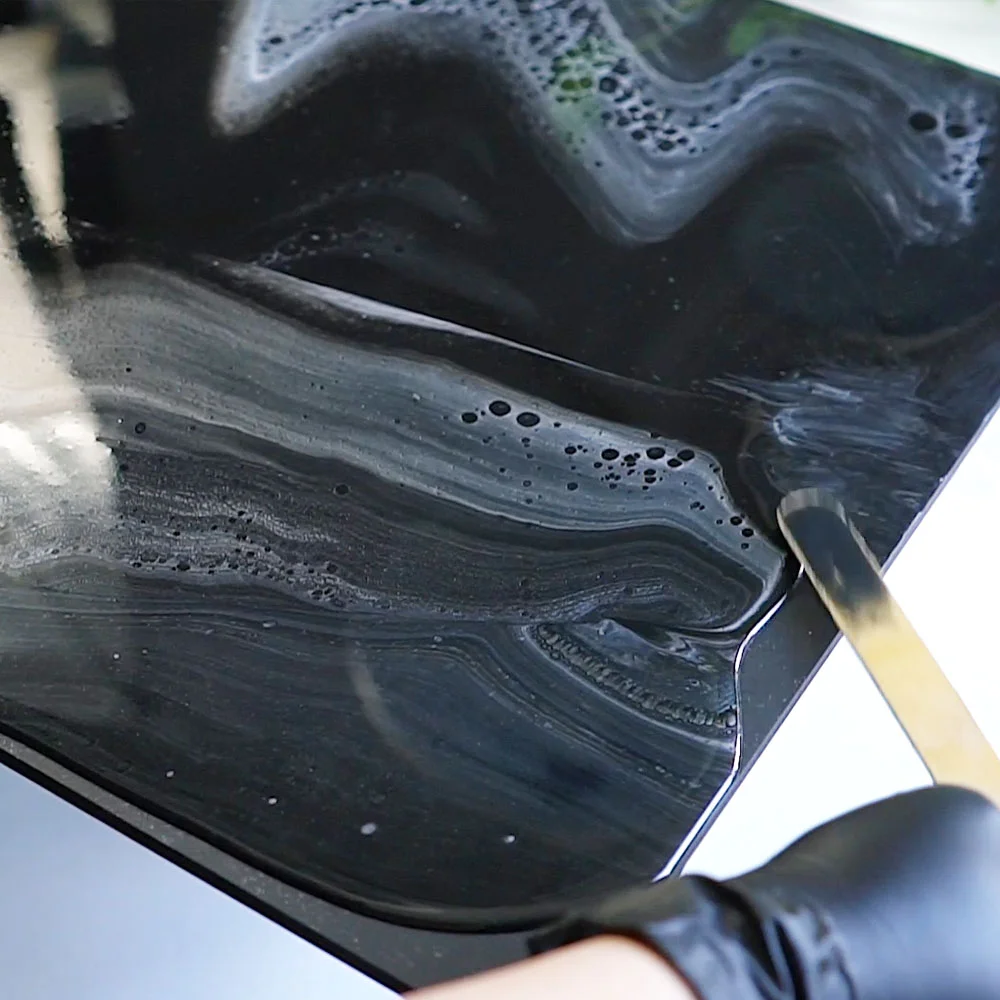
- "Stone Effect Collection" – Marble Epoxy Resin Countertop KitPrice range: £57.95 through £272.95This kit provides professional marble and stone effects with a durable, scratch-resistant finish suitable for kitchen and bathroom surfaces.
- "EpoxyFood" – Certified Clear Food Contact Epoxy Resin for CoatingPrice range: £20.95 through £146.95"EpoxyFood" is a food-safe transparent resin suitable for coating kitchen items, designed to provide clear, gloss finishes and UV resistance.
 "Heat Pro" – Flexible Heat-Resistant Glossy CoatingPrice range: £26.45 through £185.45"Heat Pro" is an elastic coating designed for epoxy resin projects, providing heat resistance and a glossy finish for kitchen and craft surfaces.
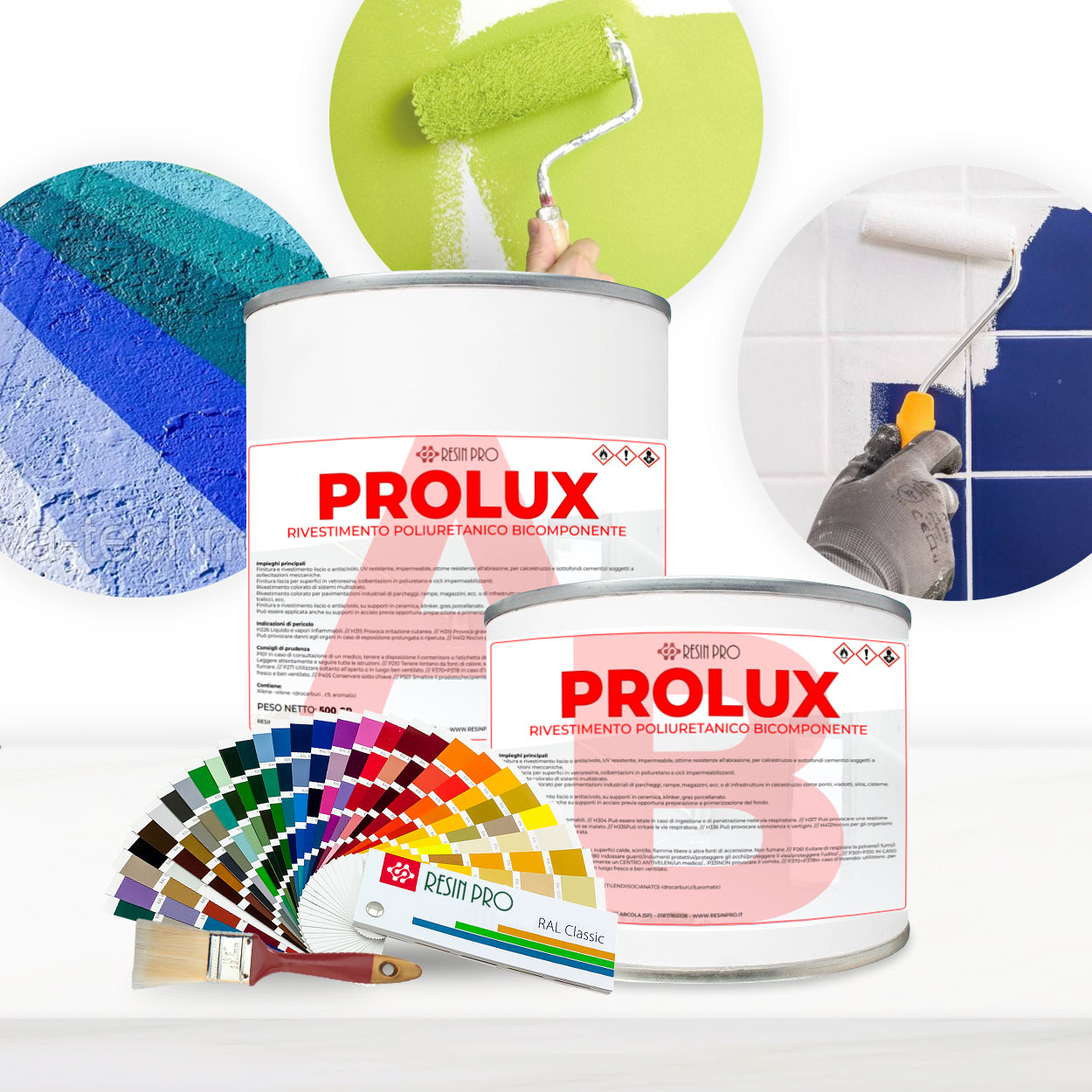 "Prolux" – PU coating for tiles, concrete, plastic and metal – suitable for driveable surfacesPrice range: £44.85 through £494.85"Prolux" is a polyurethane coating designed for multiple surfaces including tiles and concrete, suitable for durable, high-traffic areas.
Frequently Asked Questions
How should I prepare my kitchen worktop before applying resin?
The surface must be thoroughly cleaned, degreased, and lightly sanded. All dust and residues should be removed to ensure strong adhesion.
Are resin coatings for kitchen worktops food safe?
Only resins specifically certified for food contact, like EpoxyFood, should be used on surfaces intended for direct food preparation.
How long should I wait before using my resin-coated kitchen surface?
Surfaces are touch-dry after 12–24 hours but require up to 7 days for full cure and chemical resistance.
Will my resin-coated kitchen worktop be heat resistant?
Heat resistance varies by product. Surfaces near hobs benefit from a top coat of heat-resistant resin such as Heat Pro for best protection.
Can I apply more than one resin layer for extra durability?
Yes, additional layers can be added once the previous one has cured, following manufacturer guidelines to avoid haze or improperly bonded coats.
How do I prevent or fix bubbles when installing resin in my kitchen?
Mix gently to minimise bubbles and use a heat gun or hairdryer on low to pop any visible air bubbles after pouring.