 Free shipping on orders over £29,85
  Shipping Tracking!


 Google
 Facebook
How to renew floor resin?
Step-by-step process for refreshing and protecting resin floors
Renewing a floor resin can transform tired, worn-out flooring into a vibrant, hard-wearing surface. Whether your project is residential or commercial, this comprehensive guide walks you through the renewal process, ensuring a refreshed look, enhanced durability, and reliable protection for your floors.
What You’ll Need
- “Epoxyprimer” – Universal Water-Based Two-Component Epoxy Floor Primer: Ensures optimal adhesion to concrete, tiles, wood, and screeded surfaces.
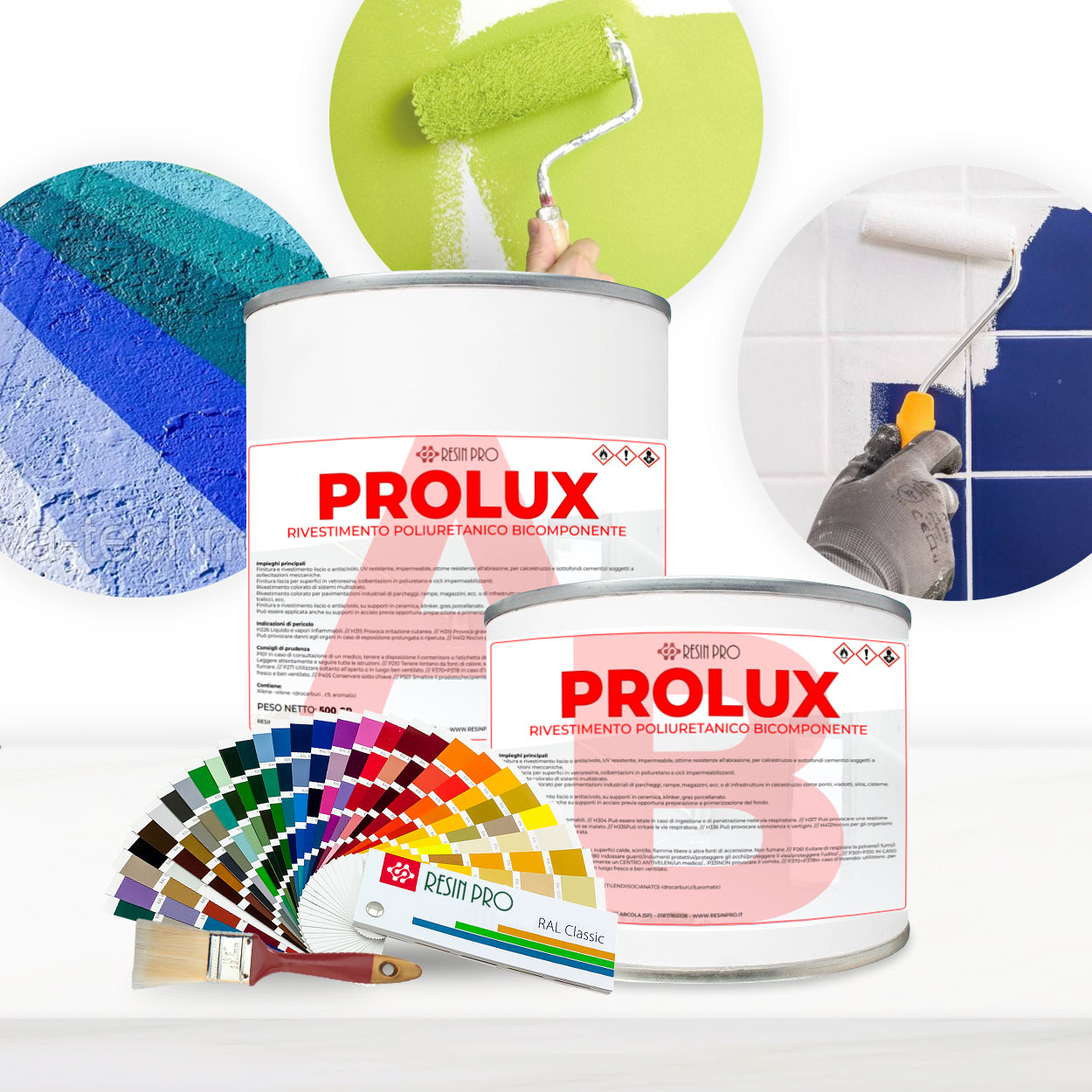
- “Prolux” – PU coating for tiles, concrete, plastic and metal – suitable for driveable surfaces: For resilient, long-lasting floors in high-traffic or demanding environments.
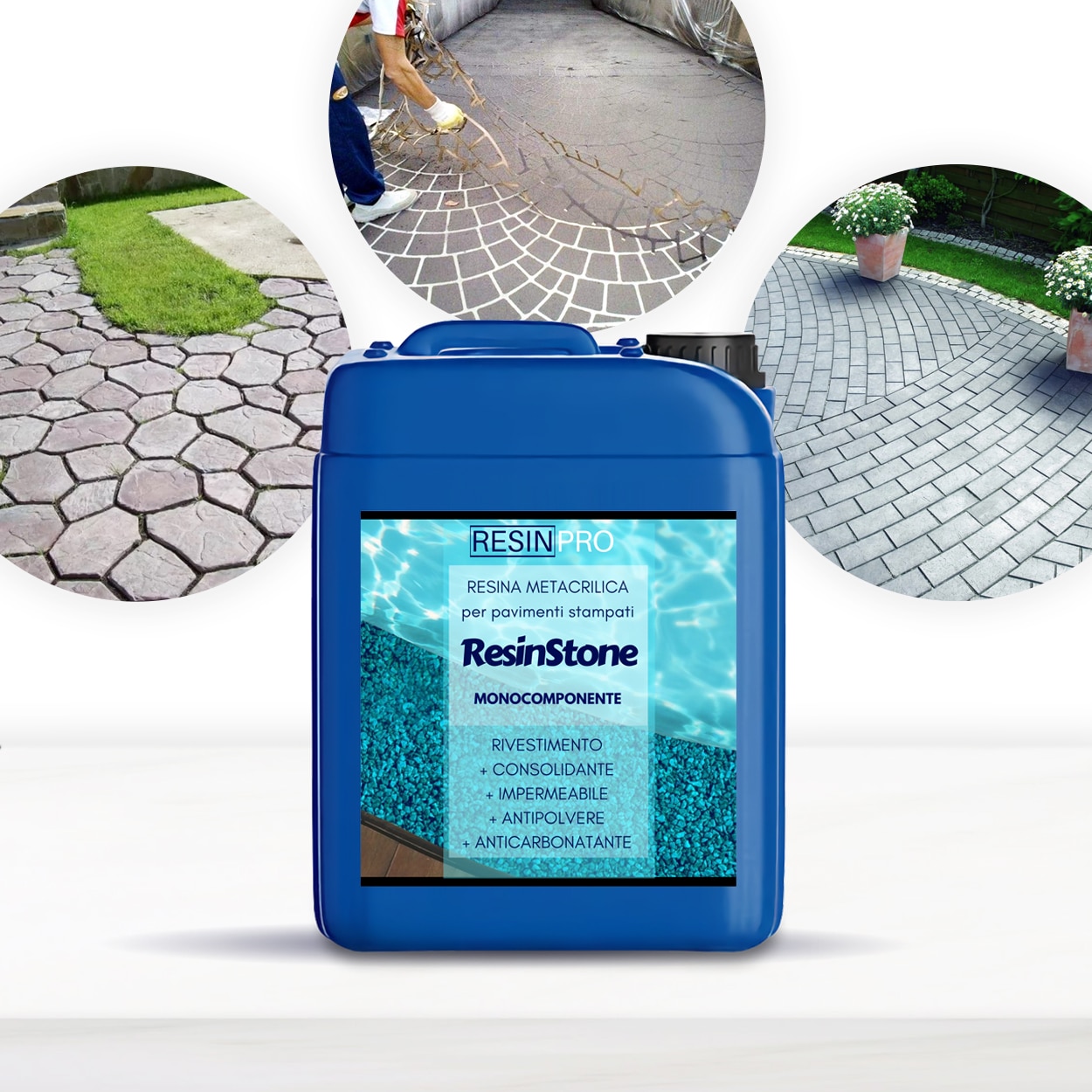
- “Resinstone” – One-Component Methacrylic Resin for Concrete Floors and Driveways: For robust sealing and protection, especially outdoors or on driveways.
- “Epoxy Polish” – Epoxy Resin Polishing System: For restoring shine and gloss after the resin cures.
- Rollers, brushes, masking tape, gloves, cleaning supplies, and, if polishing, a polishing pad or rotary polisher.

Key Preparation Steps Before Renewal
Proper surface preparation is crucial for trouble-free resin renewal. Deep cleaning and ensuring a grease-free, dry substrate lay the groundwork for lasting adhesion and a flawless finish. If subfloor moisture is high, take additional drying measures and use a moisture-tolerant primer.
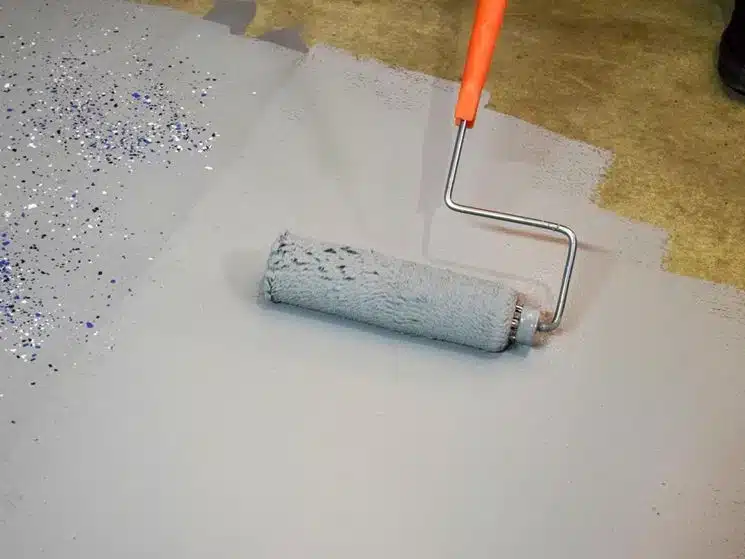
Step 1: Thoroughly clean and degrease the surface
Start by removing all furniture and obstructions from the area. Sweep or hoover the entire floor to remove dust and debris. Next, wash the surface with a suitable floor detergent and ensure all grease, oils, or contaminants are eliminated. Pay particular attention to corners and edges, as residual dirt can cause bonding failures later on. Allow the surface to dry completely before moving on.
Step 2: Assess wear and damage
Visually inspect the resin floor for cracks, chips, lifting edges, or surface deterioration. Small cracks or rough spots can sometimes be filled or abraded, while significant damage may require patching or a full resurfacing in the affected areas. Lightly sand any glossy or smooth patches to ensure your new layer will adhere optimally, and don’t forget to hoover again to remove sanding dust. Any repairs should be completed and edges feathered out for a seamless finish.
Step 3: Apply a primer for maximum adhesion
Once the floor is dry and smooth, a primer will provide the key to strong, long-lasting results. For most indoor and absorbent surfaces, “Epoxyprimer” – Universal Water-Based Two-Component Epoxy Floor Primer is an excellent choice. Mix as instructed, then apply with a roller, brush, or spatula for even coverage. Allow the recommended curing time—usually between 24 and 48 hours—for full performance. This ensures your subsequent layers will not lift or bubble due to poor adhesion.
Step 4: Choose the right topcoat or sealer
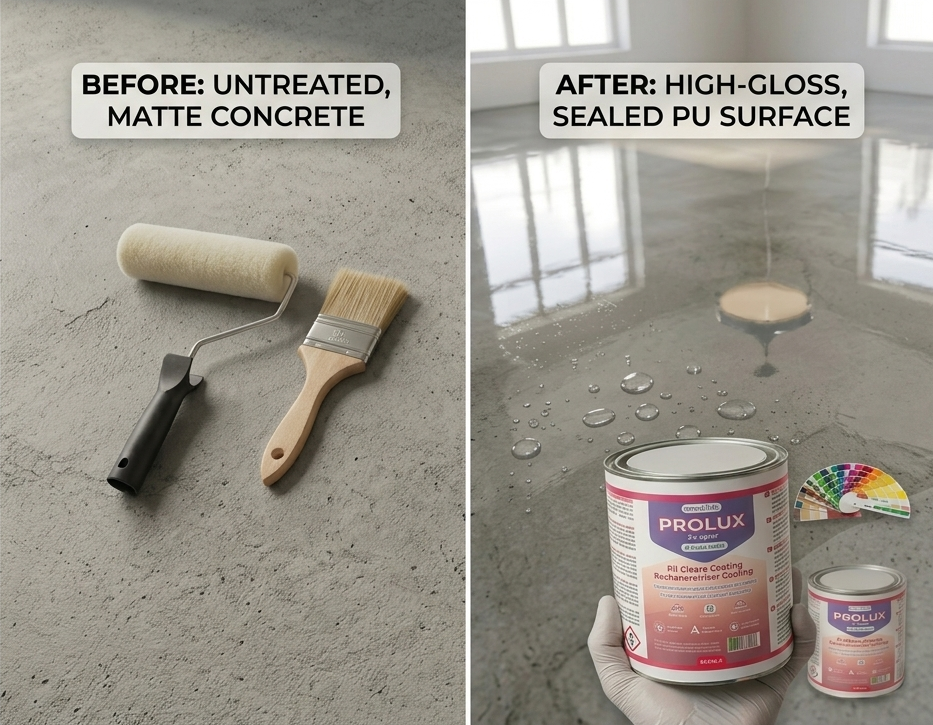
The choice of topcoat depends on the location and performance requirements of your floor. For residential interiors, offices, or light commercial spaces, a polyurethane finish such as “Prolux” – PU coating for tiles, concrete, plastic and metal – suitable for driveable surfaces adds robust abrasion and UV resistance, available in various glossy or satin finishes. For outdoor, garage, or driveway applications, “Resinstone” – One-Component Methacrylic Resin excels in protecting concrete surfaces against water, chemicals, and weather. Apply the chosen product according to the manufacturer’s instructions, ensuring each coat is even and free of air bubbles or missed spots.
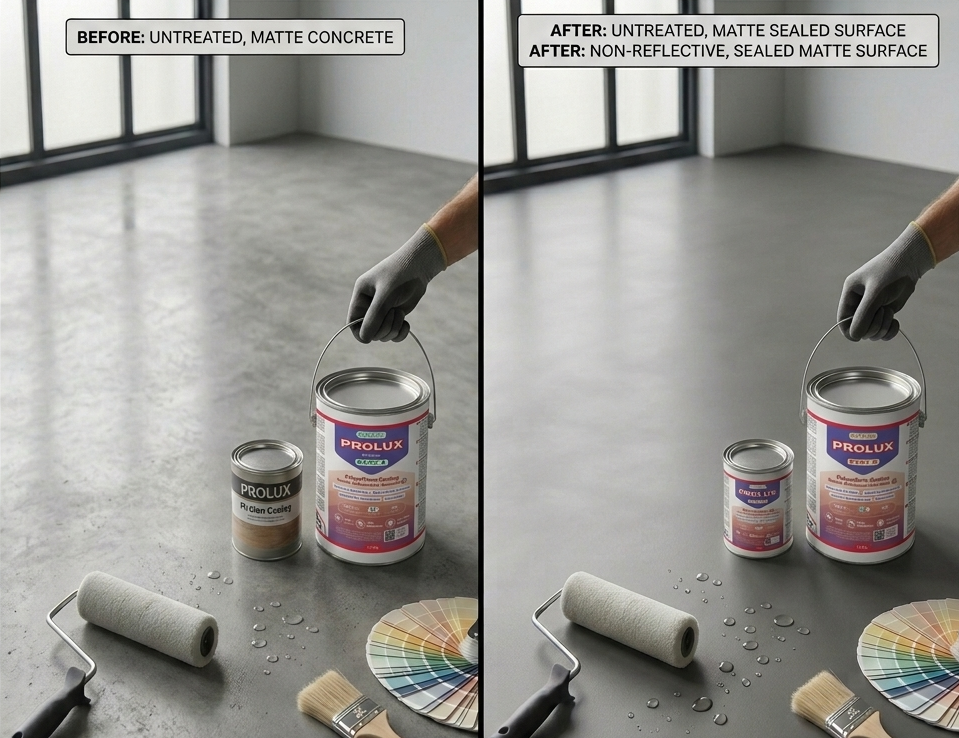
Step 5: Allow for proper curing and finishing
Let all layers cure thoroughly—refer to the relevant product instruction for exact times. Avoid walking on or placing items back on the floor before the coating has set fully. For a polished, high-gloss effect, use “Epoxy Polish” – Epoxy Resin Polishing System with the recommended polishing pads or machines. This step buffs out small imperfections and brings out the resin’s natural lustre, perfect for decorative floors or high-impact spaces.
Tips, common mistakes, and troubleshooting
Plan for dry weather and good air circulation to speed up curing and prevent dust from settling into uncured resin. Avoid rushing the process; resin that is not properly cured is vulnerable to dents, scratches, and sticking. Mask edges and verticals carefully to tidy up transitions. Finally, always use personal protection, including gloves and ventilation, especially when mixing and applying primers or topcoats.
Real-World Results and Maintenance Advice
Regular cleaning and prompt repair of minor scratches can greatly extend the life of your renewed resin floor. Use gentle, pH-neutral cleaning products and avoid dragging heavy items to keep your surface looking newly refreshed.

- "Epoxyprimer" – Universal Water-Based Two-Component Epoxy Floor PrimerPrice range: £156.45 through £286.45"Epoxyprimer" is a water-based two-component epoxy floor primer designed for effective adhesion and durability in floor resin renewal.
- "Prolux" – PU coating for tiles, concrete, plastic and metal – suitable for driveable surfacesPrice range: £44.85 through £494.85"Prolux" is a polyurethane coating designed for durable finishes on floors and other surfaces in the context of floor resin renewal.
- "Resinstone" – One-Component Methacrylic Resin for Concrete Floors and DrivewaysPrice range: £36.71 through £336.48Resinstone is a one-component methacrylic resin designed for sealing and protecting concrete floors and driveways in floor renewal projects.
 "Epoxy Polish" – Epoxy Resin Polishing SystemPrice range: £18.95 through £47.45Epoxy Polish rejuvenates resin surfaces to a mirror-like finish and is suitable for various polishing tasks under the theme How to renew floor resin?
Frequently Asked Questions
Which primer is best for renewing an old resin floor?
"Epoxyprimer" is ideal for most surfaces, promoting strong adhesion for new resin or coating layers.
Do I need to completely remove old resin before recoating?
If the existing resin is well-adhered and undamaged, you can lightly sand before applying new coats.
How long before I can use my renewed resin floor?
Wait until all coats are fully cured, typically 24-48 hours, or as directed by the product instructions.
Is the polishing step essential in floor resin renewal?
Polishing enhances gloss and smoothness. It's optional but recommended for high-traffic or decorative floors.
Can I use these resin systems outdoors?
"Resinstone" is particularly suitable for driveways and concrete outdoor surfaces.
What causes poor adhesion in renewed resin floors?
Contamination, moisture, or failing to use a proper primer are common causes of poor adhesion.