 Free shipping on orders over £29,85
  Shipping Tracking!


 Google
 Facebook
How to tell if water softener resin is good?
Simple steps to assess your water softener resin's effectiveness

Determining whether your water softener resin is still performing effectively is essential for maintaining water quality and prolonging the life of your softening system. This practical guide explains the key indicators of resin health and guides you through straightforward checks and diagnostic steps at home.
What You’ll Need
- A clear container for water samples
- Torch or bright light
- Protective gloves (optional, for inspection)
- Strong Technical Degreaser for Resin Projects – 100% Natural Formula—if you need to clean parts of your resin system carefully
Visual Guide to Resin Beads
Healthy water softener resin beads typically appear round, intact, and light amber. If your beads look cracked, mushy, dark, or irregular, it may be time for replacement. A visual inspection provides valuable clues to resin quality.
Step 1: Check for physical bead integrity
Start by locating the access point to your water softener resin tank. If possible (and according to your manufacturer’s guidelines), remove a small sample of resin beads. Healthy beads are generally uniform, round, and amber or yellowish in colour. Rub a pinch between your fingers—good resin will resist crushing and return to shape, while poor-quality or worn resin will crumble, crack, or appear mushy. Avoid overhandling to prevent accidental contamination or damage.
Step 2: Assess water softness output
Conduct a simple test of your treated household water. Fill a clear glass with water after the softener system and check for limescale accumulation over several days. A rapid return of chalky deposits or noticeably hard-feeling water is a sign your resin may no longer be softening effectively. Low-lathering soap and spotty dishes also indicate resin exhaustion.
Step 3: Look for resin fouling or discolouration
Healthy water softener resin beads should not appear dark brown, black, or carry visible residue. Excessively discoloured resin, or beads that have picked up iron, manganese, or organic fouling, are not working optimally. Clean accessible non-resin parts using a dedicated cleaner like Strong Technical Degreaser for Resin Projects – 100% Natural Formula to remove grime without introducing harsh chemicals to the tank.
Step 4: Monitor system pressure and flow
A sudden or gradual reduction in water pressure and flow can indicate resin bead breakdown, blocking the system. If cleaning filters and pipes does not restore flow, resin replacement could be needed. Watch for increased cycling frequency or system warnings on modern units.

Common issues and troubleshooting tips
Be aware of warning signs such as resin escaping into the water supply, rapid pressure loss, or constant regeneration cycles. Regularly service your unit to prevent fouling, and replace resin beads as soon as significant softness or clarity issues arise. Gentle, solvent-free cleaners are preferred for maintenance around resin systems to avoid damaging seals or media.
Water Softener Maintenance Essentials
Consistent cleaning of your water softener system helps extend resin lifespan. Use gentle products such as Strong Technical Degreaser for Resin Projects – 100% Natural Formula to avoid harmful residue and support resin effectiveness.
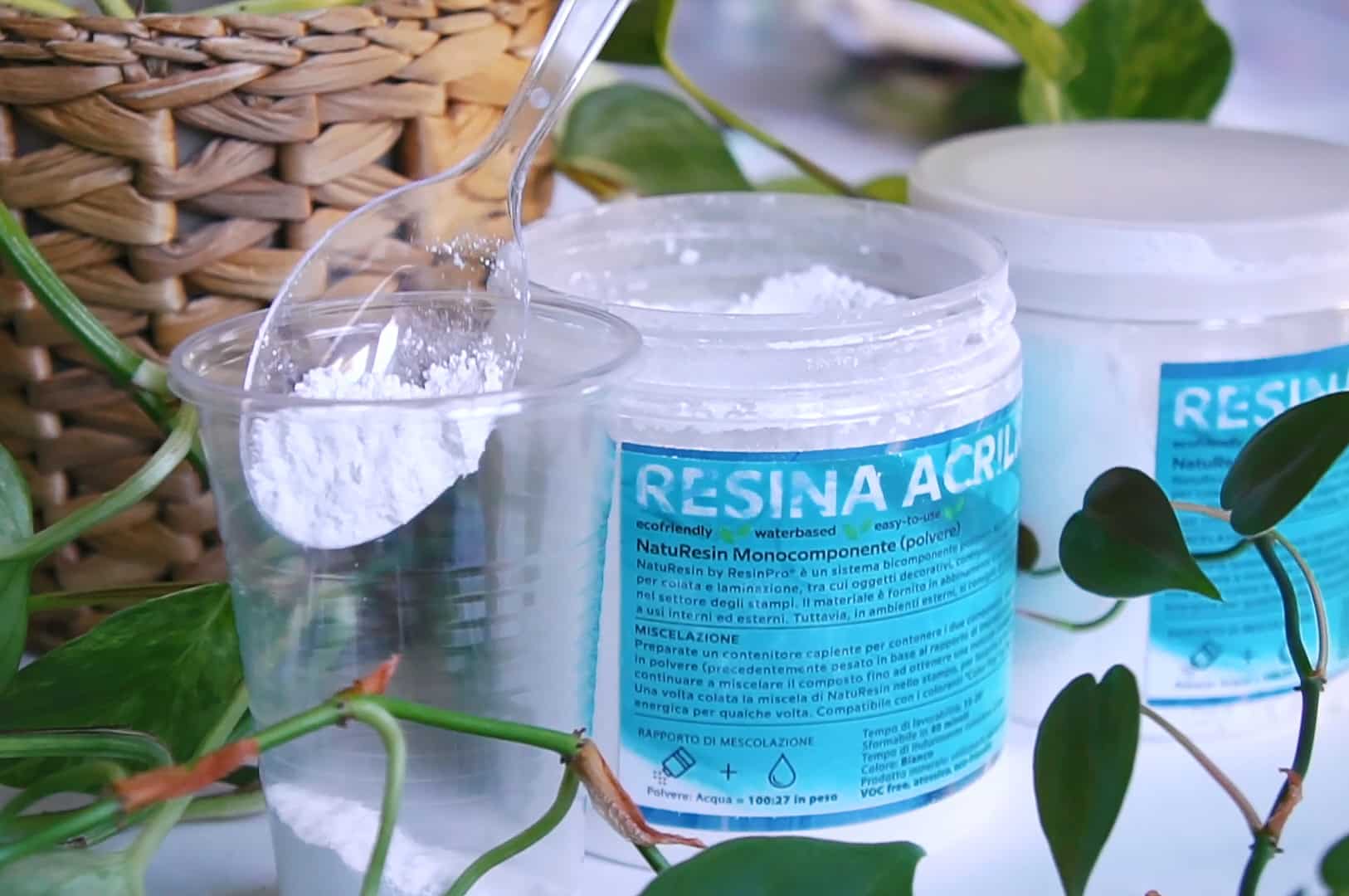
- “NatuResin” – Mineral Resin & Water System for Creative Casting and CraftsPrice range: £18.95 through £104.95NatuResin is a water-activated mineral resin designed for creative casting and crafts with an eco-friendly and non-toxic formula.
- “Polyform” – Polyurethane Casting Resin, Beige, Fast-Setting for PrototypingPrice range: £15.95 through £141.95Polyform is a beige polyurethane casting resin designed for fast, detailed prototypes and small batch production.
 "EpoxyFood" – Certified Clear Food Contact Epoxy Resin for CoatingPrice range: £20.95 through £146.95"EpoxyFood" is a transparent, food-safe resin suitable for coating items like plates and boards, offering clear, gloss finishes aligned with your…
 Strong Technical Degreaser for Resin Projects – 100% Natural FormulaOriginal price was: £10.95.£9.45Current price is: £9.45.Strong Technical Degreaser is suitable for cleaning surfaces linked to resin projects using a 100% natural formula.
Frequently Asked Questions
What is the lifespan of water softener resin?
Water softener resin generally lasts 8–10 years under normal conditions, but poor water quality or heavy use can shorten this period.
How do I know my resin needs changing?
Signs include decreased water softness, resin beads escaping into water, visible bead damage, or system issues such as repeated regeneration cycles.
Why do resin beads appear discoloured or fouled?
Organic matter, iron, or manganese can foul resin beads, causing discolouration and reducing performance.
Can I clean or rejuvenate my water softener resin?
Light fouling can sometimes be resolved with specialised resin cleaners, but severely degraded or contaminated resin should be replaced.
What cleaning products are safe for softener parts?
Use only solvent-free, gentle cleaners such as Strong Technical Degreaser for Resin Projects around resin tanks and parts.
Can hard water damage water softener resin?
Excessive minerals, chlorine, and iron in hard water can clog and prematurely deteriorate resin beads.