 Free shipping on orders over £29,85
  Shipping Tracking!


 Google
 Facebook
How to repair a resin cabinet?
Step-by-step guide for a long-lasting, seamless restoration.


Restoring a resin cabinet is an effective way to restore its strength, prolong its lifespan and save money compared to replacing the unit. Whether you’re tackling chips, cracks, or more significant structural damage, the right repair method ensures a result that looks great and stands the test of time. This guide walks you through each step to get your resin cabinet looking and functioning as good as new.
What You’ll Need
- “Klebfix” – Two-Component Fast Epoxy Glue 2K, 25g Syringe – For small, precise repairs and tough bonds.
- “FixExpress” – Two-Component Epoxy Glue 500g – Suitable for larger bonding tasks or filling gaps.
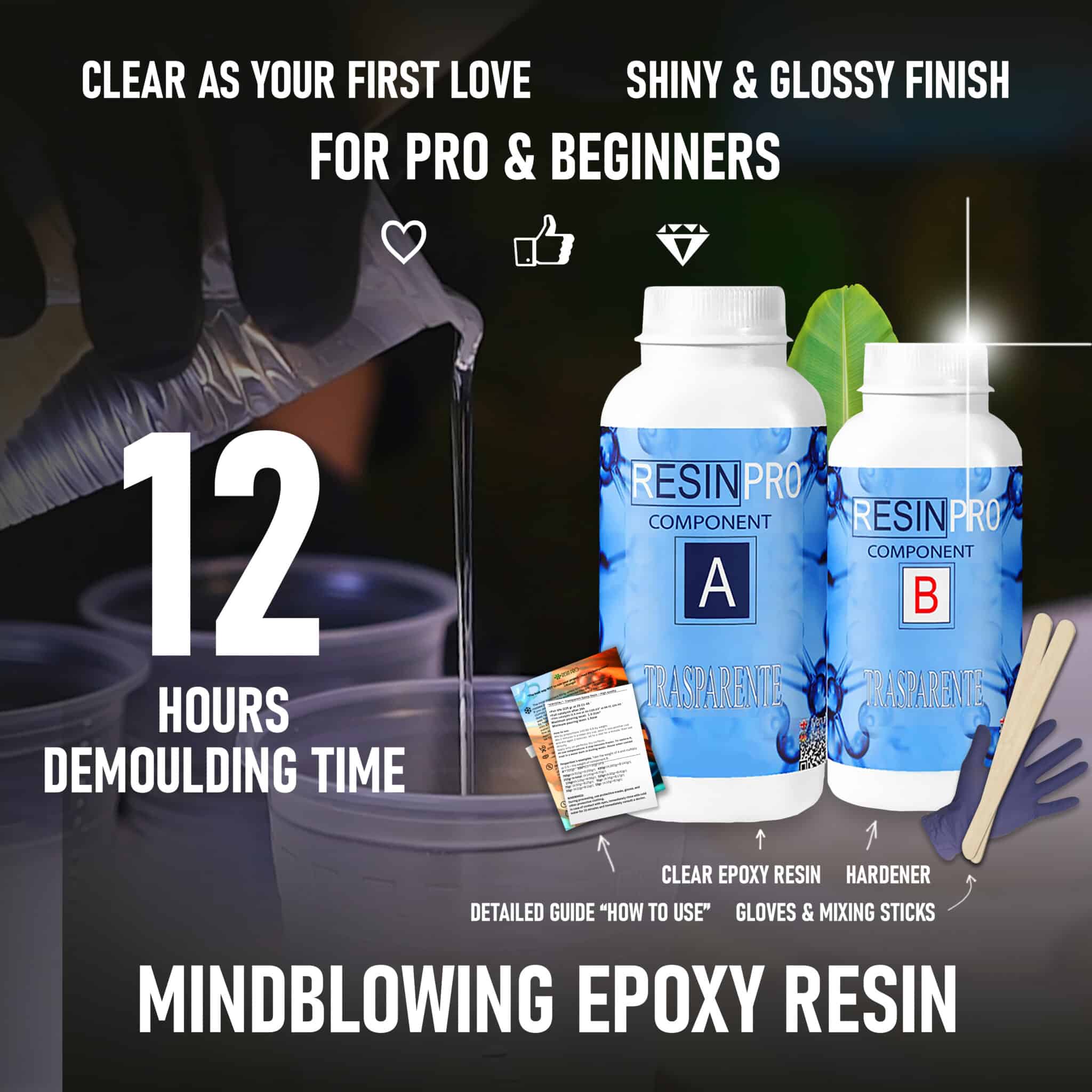
- “Trasparente” – Multipurpose Clear Epoxy Resin for Casting – Up to 2cm – Ideal for surface repairs needing a durable, clear finish.
- “Icrystal” – Clear Epoxy Resin – Odourless Formula – Up to 1.5cm – For odour-free indoor repairs or thin layer restoration.
- Safety gloves and mask
- Cleaning materials (mild detergent, soft brush, lint-free cloth)
- Fine sandpaper (P320–P600)
- Mixing sticks and container
- Painter’s tape (if needed to protect areas)

Visual Inspection and Preparation Examples
Before starting your repair, look at common types of resin cabinet damage and how proper cleaning and surface sanding can make all the difference. Examine cracks, chips, and delamination areas to choose the right repair strategy.

Step 1: Inspect and Clean the Damaged Area
Begin by carefully examining your resin cabinet for chips, cracks, or holes. Gently clean the area around the damage using a mild detergent solution and a soft brush to remove dust, dirt, or grease. Dry thoroughly with a lint-free cloth to ensure there’s no remaining moisture.
Proper cleaning ensures the repair material will bond tightly with the cabinet. Take care to avoid any cleaning products that may leave a residue, as this can interfere with adhesion later on.
Step 2: Prepare the Surface
Use fine sandpaper (P320–P600) to lightly sand the damaged area, feathering the edges to create a smooth transition for your repair product. This roughens the surface just enough to encourage strong adhesion.
Remove any sanding dust with a clean, dry cloth. If you’re working near hinges or handles, use painter’s tape to protect these sections from accidental resin or adhesive contact.
Step 3: Mix and Apply the Repair Resin or Adhesive
For cracks, small chips, or gluing detached parts, an epoxy adhesive is the best solution. Products like “Klebfix” – Two-Component Fast Epoxy Glue 2K or “FixExpress” – Two-Component Epoxy Glue 500g offer strong, durable bonds with rapid set times. Prepare the epoxy according to the manufacturer’s instructions, typically with a straightforward 1:1 mixing ratio.
For surface repairs that require a clear, level finish, opt for a casting resin such as “Trasparente” – Multipurpose Clear Epoxy Resin for Casting – Up to 2cm or “Icrystal” – Clear Epoxy Resin – Odourless Formula – Up to 1.5cm. Carefully mix and pour or spread the resin as required, ensuring a smooth application that fills imperfections evenly.
Work efficiently, as these adhesives and resins tend to set quickly. Smooth out the surface with a spatula or stick and avoid touching or disturbing the area once the repair is complete.

Step 4: Cure, Sand, and Finish
Allow the applied adhesive or resin to set undisturbed as per the product’s specified curing time (usually 5 minutes to set, up to 24 hours for full hardness). Refrain from using the cabinet during this period to prevent disrupting the repair.
Once the material is fully cured, gently sand any uneven or excess resin with fine sandpaper to achieve a smooth, flush surface. If necessary, polish or apply a matching finish to blend the repair seamlessly into the cabinet.
Tips and Considerations for Lasting Repairs
- Wear gloves and work in a well-ventilated area. Epoxy adhesives and resins can cause skin irritation or breathing discomfort if handled carelessly.
- Check compatibility on a hidden area if uncertain about surface reactions.
- Avoid overfilling cracks or holes. This helps reduce sanding work and ensures a neat final appearance.
- If using clear resins, protect repaired sections from dust while curing for a flawless finish.
- Allow full curing time before regular use. Premature handling can weaken the repair and compromise longevity.
Finishing Techniques and Protective Measures
Discover how smoothing, polishing, and sealing repaired areas gives your cabinet a near-invisible finish, while protective steps ensure the repaired section stands up to daily use and sunlight exposure.

- "Klebfix" – Two-Component Fast Epoxy Glue 2K, 25g Syringe£24.00The "Klebfix" epoxy glue is suitable for repairing resin cabinets with fast-setting, strong bonds on various materials.
- "FixExpress" – Two-Component Epoxy Glue 500g£26.95"FixExpress" — two-component epoxy glue designed for rapid repairs with strong adhesion and customisable finish options.
- "Trasparente" – Multipurpose Clear Epoxy Resin for Casting – Up to 2cmPrice range: £8.95 through £397.95Clear epoxy resin suitable for layer casting up to 2cm, providing an ultra-clear, glossy, and scratch-resistant finish.
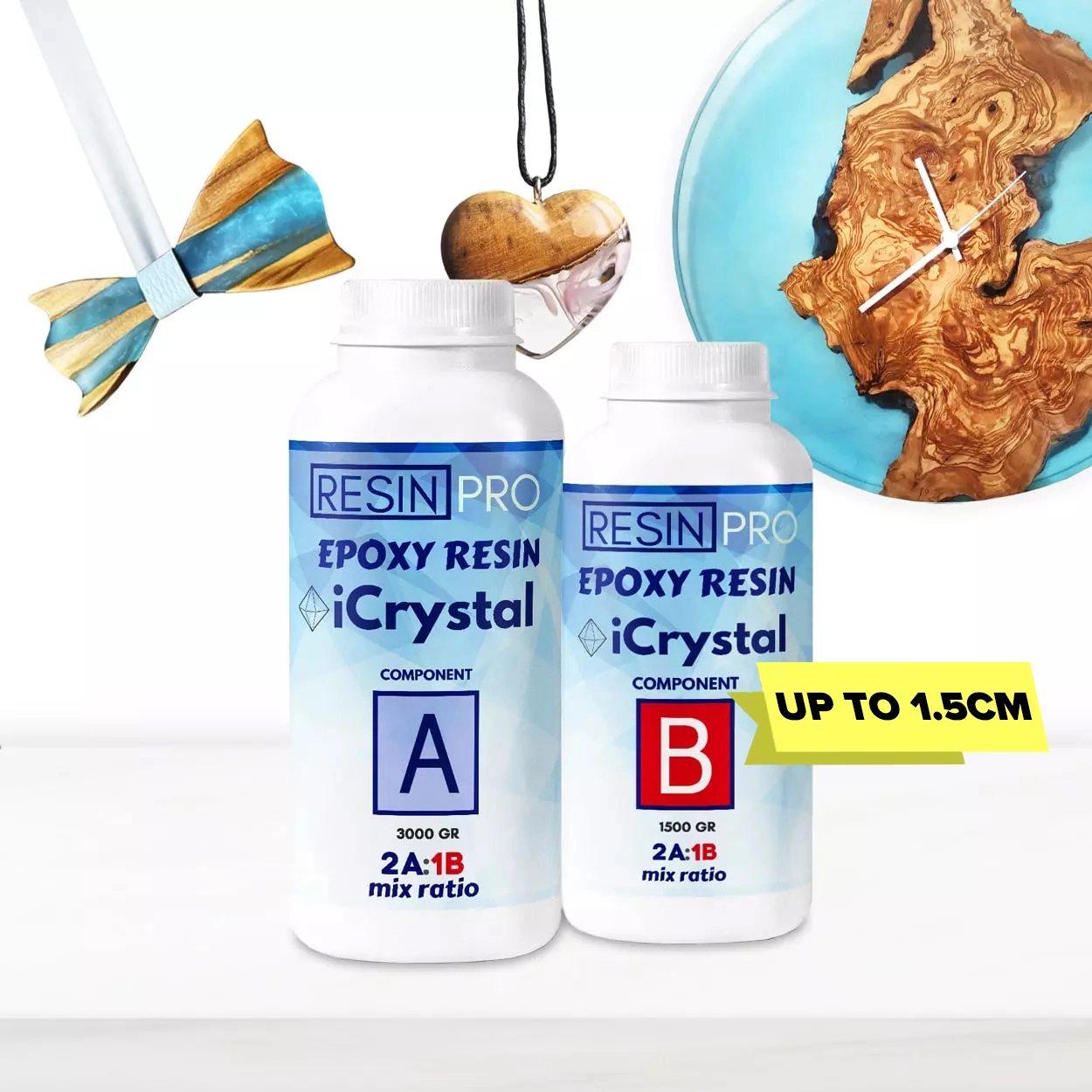 "Icrystal" – Clear Epoxy Resin – Odourless Formula – Up to 1.5cmPrice range: £12.45 through £341.45"Icrystal" clear epoxy resin offers good transparency and is odourless, designed for surface repair and artistic use.
Frequently Asked Questions
Can I use epoxy glue on a resin cabinet?
Yes, epoxy adhesives are ideal for repairing resin cabinets and create strong, durable bonds.
How long does the repair take to cure?
Most epoxy adhesives set in 5 minutes but require up to 24 hours for complete curing.
Can I repair large holes in a resin cabinet?
Larger holes can be filled with clear casting resin, applied in layers to achieve a seamless, level surface.
Is sanding required before applying resin?
Light sanding ensures proper adhesion and a smooth transition at the repair area.
What safety precautions should I take?
Always wear gloves, work in a ventilated space, and avoid direct skin contact with resin or adhesives.
Can I colour the repair for a better match?
Yes, some resins and adhesives may be tinted with dyes to blend with your cabinet’s finish.